
25 Democratic States Sue Trump Over New Forced Labour Tariffs

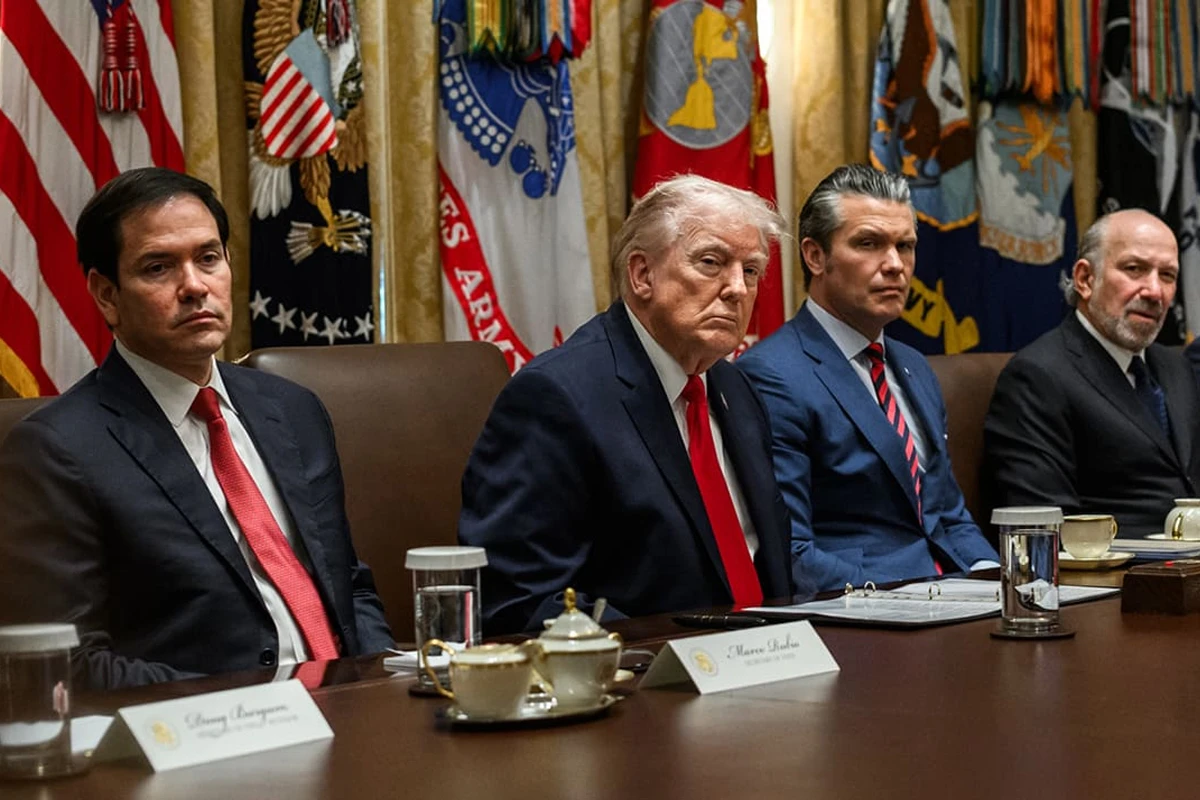
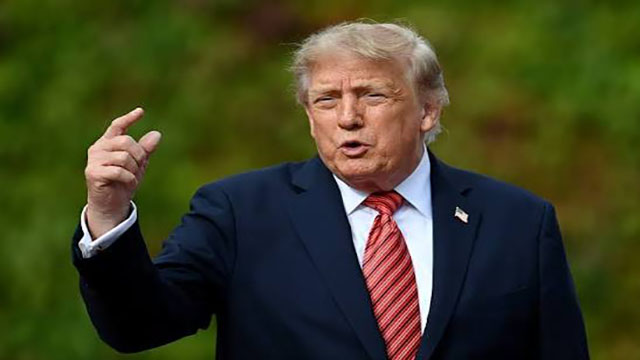
A coalition of 25 Democratic-led US states sued the Trump administration Monday, arguing the president’s latest round of tariffs on 60 trading partners exceeds his legal authority to tax imports — extending a legal battle that has already seen most of Trump’s earlier sweeping tariffs struck down.
The lawsuit, filed in the US Court of International Trade in New York, follows a similar challenge from small US businesses that sued to block the tariffs the day they took effect last month.
The Trump administration imposed the new duties on July 24, applying 10% and 12.5% tariffs on 60 trading partners including the European Union, citing allegations that these countries weren’t doing enough to stop the export of goods produced with forced labor. The tariffs took effect just as an earlier temporary 10% global tariff expired, covering over 99% of US imports.
States involved in the suit, including Oregon and New York, are led by Democratic attorneys general or governors. Oregon Attorney General Dan Rayfield said Trump was trying yet again to inflict chaos on working families and homegrown businesses, despite losing every step of the way so far. White House spokesman Kush Desai defended the tariffs as an appropriate and legal response to unfair trade practices, arguing that a foreign country’s failure to prohibit and enforce bans on forced-labor-produced goods burdens US commerce, including American workers.
This latest lawsuit continues a pattern of repeated legal setbacks for Trump’s tariff agenda. The Supreme Court ruled against most of his widest-reaching tariffs on February 20, finding that the International Emergency Economic Powers Act doesn’t authorize a president to unilaterally impose tariffs on trading partners. Trump responded by escalating rather than retreating, calling the justices disloyal and issuing new temporary 10% tariffs under a different legal authority that, like IEEPA, no previous president had used for this purpose. Those tariffs were also ruled illegal by the Court of International Trade in May, though they remained in effect throughout the administration’s appeal.
The current tariffs rely on Section 301 of the Trade Act of 1974, a statute historically used by past presidents to address unfair economic practices — but unlike IEEPA, it has actual legal precedent behind it. Still, the states argue in their complaint that Section 301 tariffs have traditionally targeted specific nations and industries, and that Trump’s sweeping, near-universal application has no historical precedent within the statute’s use. The complaint also echoes arguments from the earlier small business lawsuits, contending that the forced labor rationale functions as a pretext to reimpose tariffs already ruled illegal in court, and that a broad import tax wouldn’t meaningfully address the actual problem of forced labor globally.
This marks at least the third major legal front against Trump’s tariff policy within roughly six months, following the Supreme Court’s February ruling and the Court of International Trade’s May decision against the temporary global tariffs. Whether this newest challenge succeeds may hinge on how the court interprets Section 301’s historical scope compared to the emergency powers authorities previously struck down — a legal distinction the administration is counting on to finally secure a tariff structure that survives judicial review, given trade lawyers’ earlier assessment that Section 301 carries less litigation risk than IEEPA. Given the consistent pattern of courts ruling against the administration’s tariff actions so far, the outcome of this latest challenge will likely shape whether Trump’s near-universal tariff approach can persist in any form, or whether courts continue narrowing the legal pathways available for implementing it.
Catch all the World News, Breaking News Event and Trending News Updates on GTV News
Join Our Whatsapp Channel GTV Whatsapp Official Channel to get the Daily News Update & Follow us on Google News.
Must Read
Pakistan
Naqvi Says KP Government Backed Out of Security Commitments During Final Talks
4-October،2026