
Former RSS Leader Exposes Hindutva Terror Network

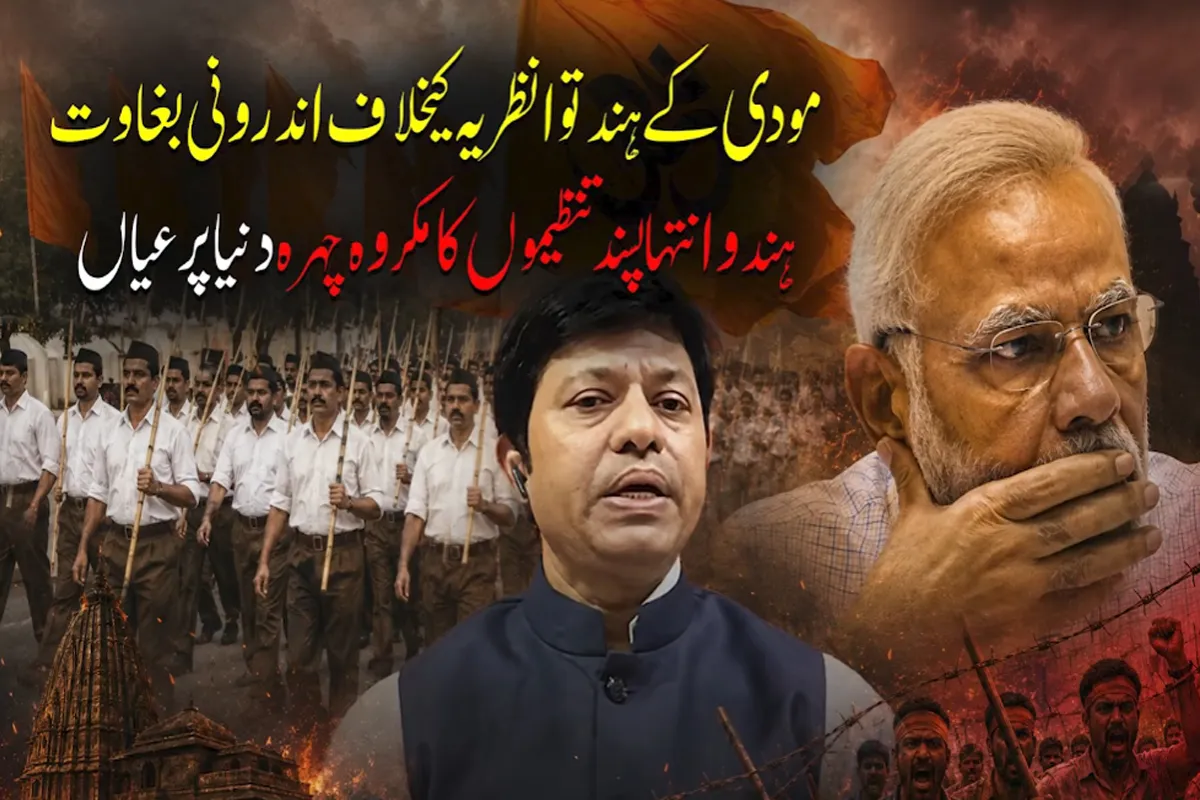
Growing criticism of Hindutva organisations in India has once again brought questions about the activities, influence and alleged violent networks associated with groups such as the Rashtriya Swayamsevak Sangh (RSS), Vishwa Hindu Parishad (VHP) and Bajrang Dal.
According to an article published by Indian digital publication The Wire, questions are being raised over the alleged role of Hindutva organisations in investigations into bomb blasts in India.
The controversy has gained further attention following statements attributed to former RSS leader Yashwant Shinde, who has called for the RSS, VHP and Bajrang Dal to be designated as terrorist organisations.
According to The Wire, Shinde has made a series of allegations concerning the activities of Hindutva organisations and their alleged links to violent operations.
The former RSS member reportedly claimed that training networks connected to activities in Pakistan were operated under the leadership of the RSS.
He further alleged that RSS workers were provided training in bomb-making under the supervision of VHP leader Milind Parande.
These are serious allegations and require independent investigation and corroboration. The organisations named in such claims have historically rejected allegations that they operate as terrorist groups, making independent judicial and investigative scrutiny essential.
The allegations have also revived debate over investigations into bomb blasts in India and whether extremist organisations associated with Hindutva ideology have received adequate scrutiny.
The Wire has reported claims that despite evidence gathered by India’s Central Bureau of Investigation (CBI) in certain cases, prosecutions involving Hindutva-linked organisations have sometimes ended in acquittals.
Critics argue that such outcomes have contributed to concerns about selective accountability and the effectiveness of India’s criminal justice system in dealing with politically sensitive cases.
However, allegations of institutional bias and judicial favouritism remain contested and should be assessed on the basis of individual cases, court records and independently verifiable evidence.
Indian political analyst Shamsul Islam, cited by The Wire, argued that the RSS has a long history of activities that critics associate with targeting Muslims and aggravating Hindu-Muslim tensions.
The broader debate over Hindutva politics has intensified during the Narendra Modi era, with critics arguing that the political mainstreaming of majoritarian rhetoric has provided greater space for Hindu nationalist organisations.
Opposition figures and rights advocates have repeatedly warned that inflammatory rhetoric and communal polarisation can undermine social cohesion in a religiously diverse country.
Indian political analyst Raju Parulekar also raised concerns over what he described as links between the RSS and Israel, arguing that such connections have made the organisation more dangerous than other extremist groups.
Such claims remain allegations and should be evaluated through credible evidence rather than political assertions. Nevertheless, the discussion highlights the increasingly international dimension of debates surrounding India’s Hindu nationalist movement.
The controversy surrounding the RSS, VHP and Bajrang Dal reflects a much broader debate over the role of Hindutva ideology in contemporary India.
Supporters of Hindu nationalism reject accusations that these organisations represent extremist or terrorist movements, while critics argue that some groups operating within the broader Hindutva ecosystem have contributed to communal polarisation and violence.
The allegations made by a former RSS member therefore carry political significance, but they also require careful examination through independent investigations and judicial processes.
At the heart of the controversy lies a fundamental question: can India’s institutions ensure equal accountability when allegations of violence involve organisations with significant political and social influence?
As India continues to grapple with communal tensions, the credibility of its investigative agencies, courts and political institutions will remain central to determining whether allegations against powerful ideological organisations receive impartial scrutiny.
Catch all the World News, Breaking News Event and Trending News Updates on GTV News
Join Our Whatsapp Channel GTV Whatsapp Official Channel to get the Daily News Update & Follow us on Google News.
Must Read

Entertainment
Pakistani AI Filmmaker Zahid Iqbal’s ‘The Mother’s Monster’ Surpasses 50 Million Views
1-October،2026