
Trump Rejects Iran’s Seven-Day Hormuz Proposal, WSJ Reports

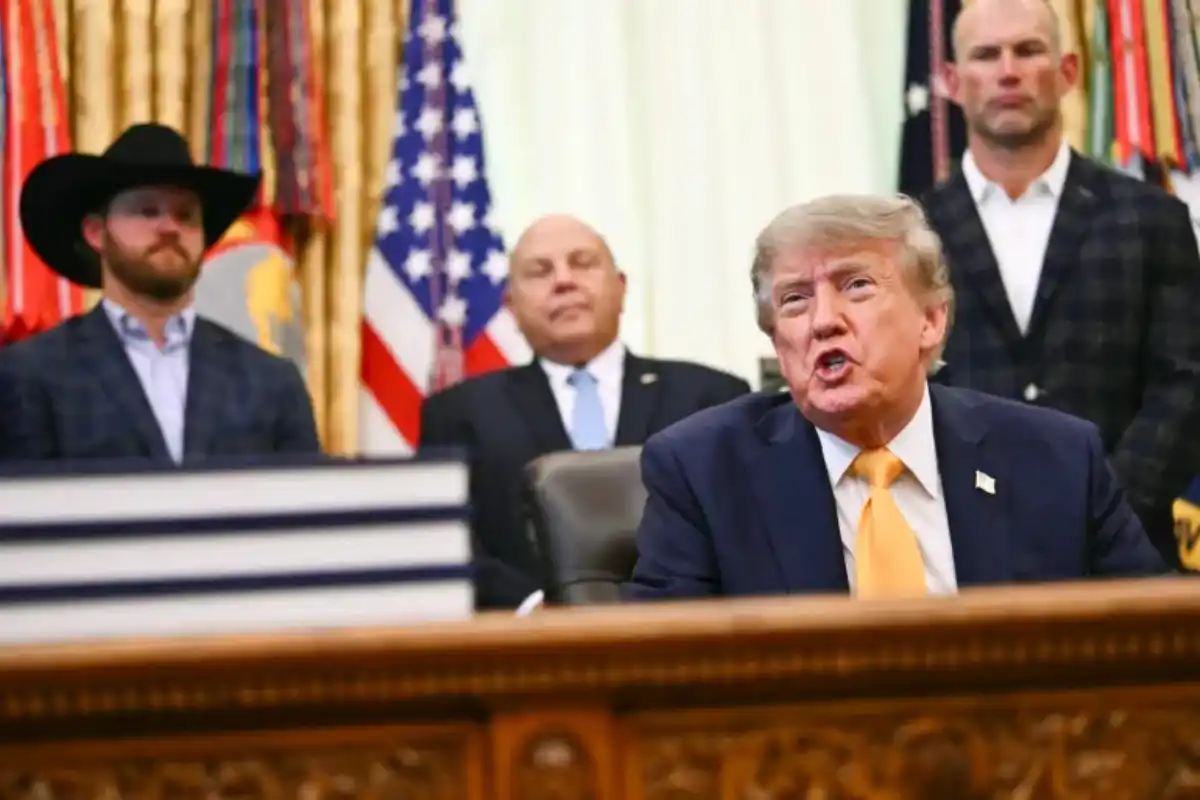
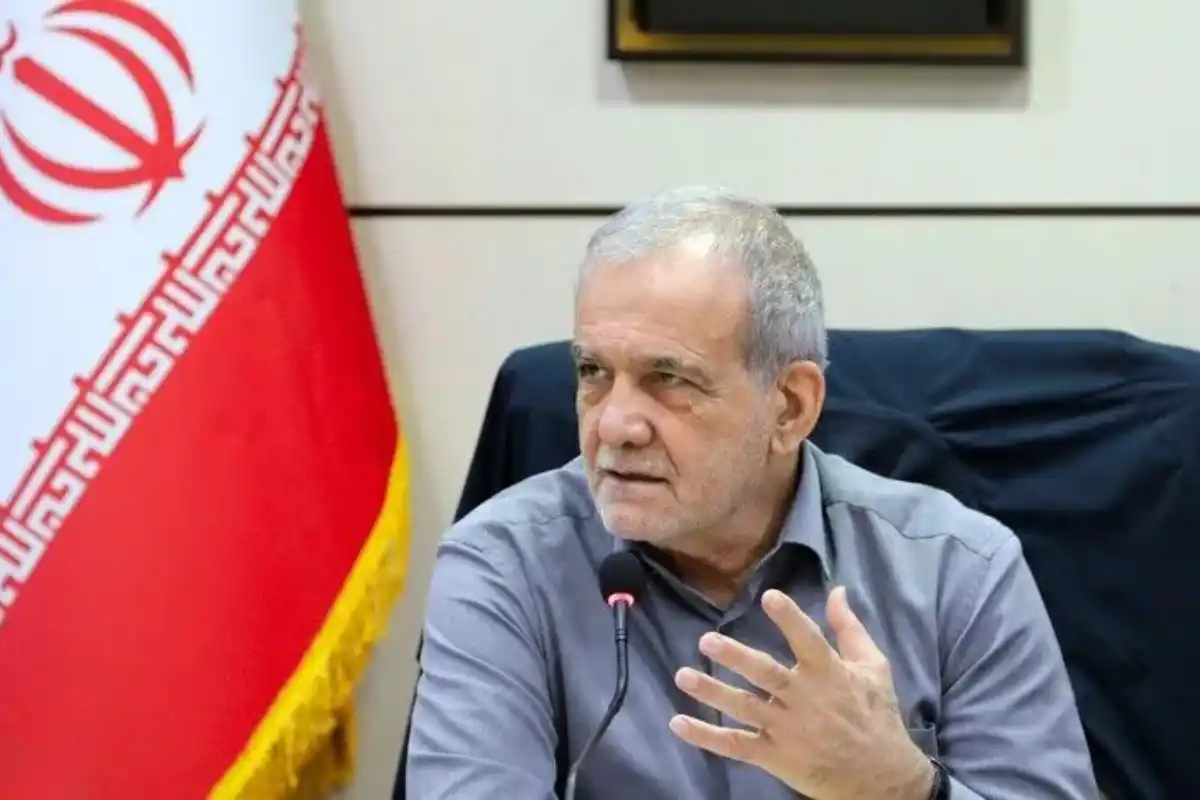
WASHINGTON/NEW YORK: US President Donald Trump has rejected an Iranian proposal to reopen the Strait of Hormuz and halt regional fighting within seven days, while reportedly telling aides that renewed US bombing of Iran could resume after the November congressional elections, according to The Wall Street Journal, citing unnamed US officials. Reuters said it could not independently confirm the report.
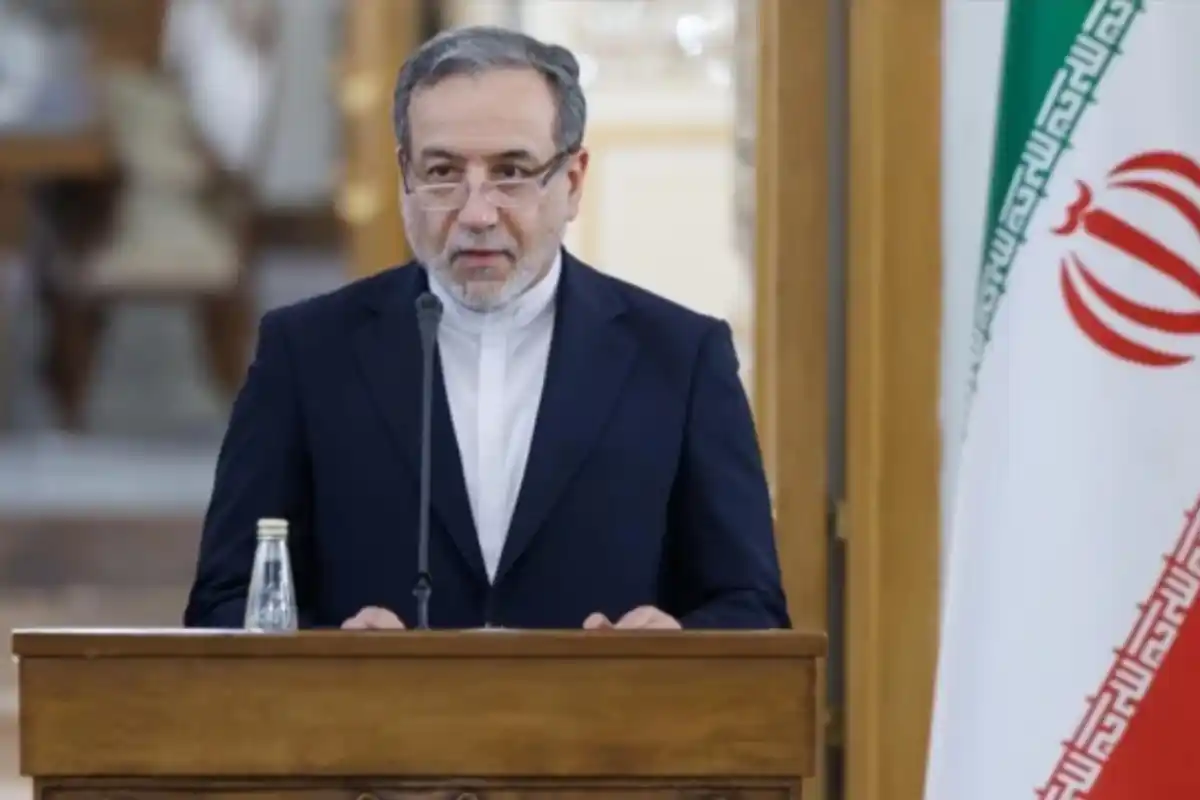
The development came after Iranian Foreign Minister Abbas Araghchi said at the United Nations that Tehran had conveyed a seven-day peace proposal to Washington through Qatari mediators.
Araghchi said the plan would trigger a seven-day timeline for reopening the Strait of Hormuz if the United States agreed to the proposed conditions. “If there is seriousness on the US side to come to a deal and reopen the Strait of Hormuz, everything is now prepared,” he said.
Under the Iranian proposal, Tehran would reopen the Strait of Hormuz and halt hostilities across the region, including in Lebanon.
In return, Iran is seeking the lifting of the US naval blockade on its ports, the release of frozen Iranian funds and the waiver of oil sanctions. The plan also envisages the resumption of broader negotiations between Washington and Tehran on mutually agreed issues, including Iran’s nuclear programme.
Araghchi said the proposal had been communicated through Qatar and that Tehran was ready to move forward if Washington demonstrated seriousness about reaching an agreement.
Despite the reported rejection, diplomatic contacts between the United States and Iran have continued through intermediaries.
A US official told Reuters that Washington and Tehran were engaged in “positive and constructive discussions” through mediators. However, the Wall Street Journal reported that Trump remained privately sceptical that Iran would accept his demands.
The latest developments have created uncertainty over whether the two sides can revive diplomacy after months of conflict.
The seven-month-old conflict has severely disrupted shipping through the Strait of Hormuz, one of the world’s most important energy routes.
The waterway has become a central issue in diplomatic efforts because its continued disruption affects global oil and gas flows and has increased pressure on energy markets. Reuters reported earlier that Iran had offered to reopen the strait within a week if Washington reduced military pressure and lifted its blockade on Iranian ports.
The conflict has also spread across the region, involving attacks and military activity linked to Iran, Israel, the United States and other regional actors.
The escalation has also prompted closer security coordination among Saudi Arabia and its partners.
According to the information provided in the report, Turkish and Pakistani defence officials met in Riyadh to review the regional security situation, intelligence cooperation and military coordination.
The meeting followed talks among the foreign ministers of Saudi Arabia, Pakistan and Türkiye under the framework of the Makkah Joint Defence Alliance.
The broader regional security situation remains closely linked to developments in Yemen, where attacks involving the Houthi militia have added to tensions affecting Saudi Arabia and Red Sea shipping.
Iran’s seven-day proposal represents another attempt to establish a diplomatic route out of the conflict, while the reported US rejection indicates that major differences remain between Washington and Tehran.
The outcome of the diplomatic efforts could have wider implications for the Strait of Hormuz, global energy supplies, regional security and international trade.
For now, the two sides remain engaged indirectly through mediators, but the reported differences over sanctions, military pressure and the conditions for reopening the Strait of Hormuz continue to complicate efforts to reach a broader settlement.
Catch all the World News, Breaking News Event and Trending News Updates on GTV News
Join Our Whatsapp Channel GTV Whatsapp Official Channel to get the Daily News Update & Follow us on Google News.
Must Read
Pakistan
President Zardari Approves Islamabad Safe City Ordinance, Rs2 Million Fine Per Camera
26-September،2026

Business
28th ITCN Asia 2026 Concludes With Over $550 Million in Business Commitments
26-September،2026