Electricity Consumers Face New Shock as Power Tariff Hike of Rs1.20 Per Unit Proposed

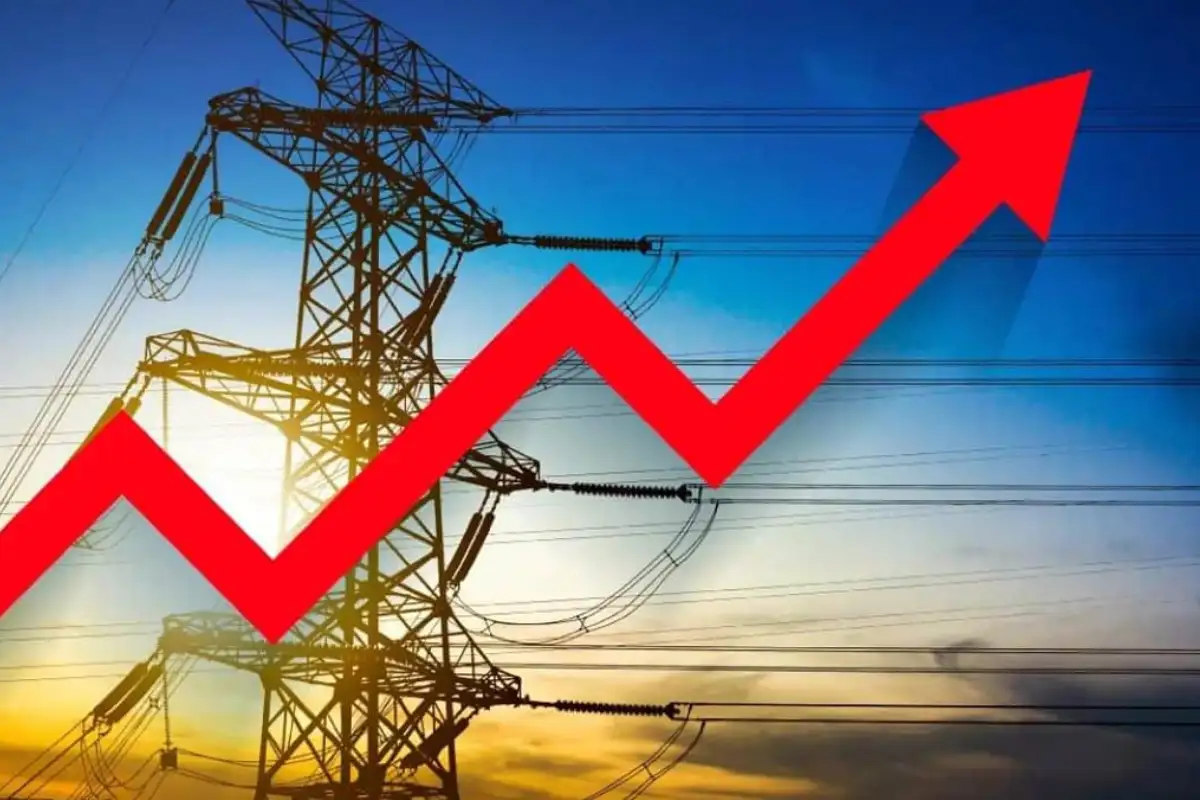
Electricity Prices May Rise for Three Months Under Quarterly Adjustment
Pakistan’s power consumers, including those served by K-Electric in Karachi, are facing a fresh tariff increase after the Central Power Purchasing Agency filed a request with NEPRA to raise electricity prices by Rs1.20 per unit under June 2026’s monthly fuel adjustment. The National Electric Power Regulatory Authority has scheduled a hearing on the request for July 29 in Islamabad.
The filing follows the routine monthly adjustment mechanism NEPRA uses to pass fluctuations in fuel and generation costs through to consumer bills, a system that has produced frequent, incremental tariff changes in recent years as generation costs shift with fuel prices and currency movements. That the increase applies to K-Electric customers as well signals a nationally uniform adjustment rather than a regional pricing change specific to any one distribution company.
For households and businesses, monthly fuel adjustments have become a recurring source of unpredictability in electricity bills, layered on top of base tariffs that have already risen substantially over the past several years. Even a modest per-unit increase compounds quickly across a billing cycle, particularly for consumers in higher slabs or commercial users with substantial monthly consumption.
The timing adds pressure to a broader cost-of-living squeeze already affecting Pakistani households, with recent price increases in flour, cooking staples, and other essentials straining budgets before this latest utility cost is even factored in. Electricity price increases tend to have outsized political sensitivity in Pakistan given how directly they’re felt across income levels, unlike some other inflationary pressures that hit specific consumer categories more narrowly.
NEPRA’s public hearing process gives consumers and industry representatives a formal opportunity to contest the adjustment before it’s approved, though fuel cost adjustments have historically been approved in some form more often than rejected outright, given that they’re tied to actual incurred generation costs rather than discretionary pricing decisions.
Whether the full Rs1.20 increase is approved as requested, or reduced following the July 29 hearing, will determine the exact impact on July bills. Given the recurring nature of these monthly adjustments, consumers are likely to see continued month-to-month tariff volatility regardless of this specific request’s outcome, reflecting the underlying volatility in Pakistan’s fuel import costs and power generation mix.
Catch all the Business News, Breaking News Event and Trending News Updates on GTV News
Join Our Whatsapp Channel GTV Whatsapp Official Channel to get the Daily News Update & Follow us on Google News.
Must Read