
Modi’s bid to isolate Pakistan ‘failed’, reveals report

Modi's bid to isolate Pakistan 'failed', reveals report
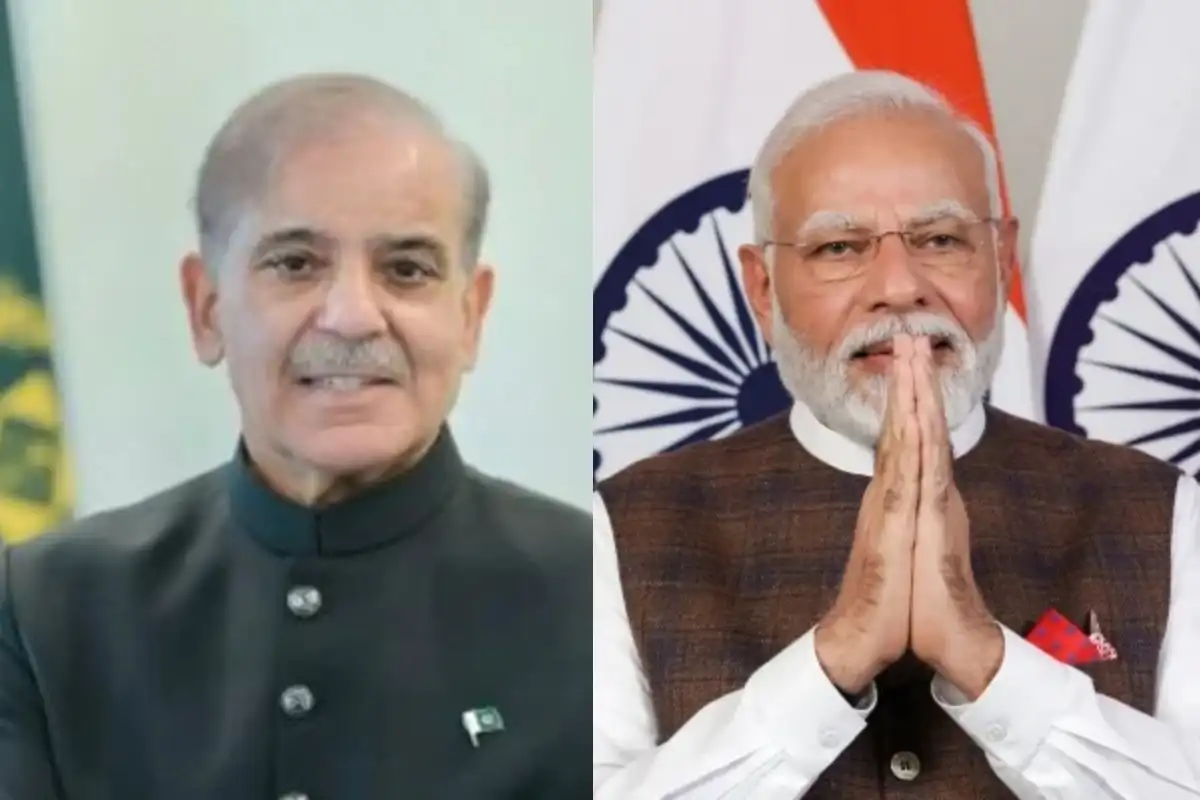
Indian Prime Minister Narendra Modi’s sustained, decade-long campaign to push Pakistan to the margins of the international community has ended in failure, according to a new assessment by Al Jazeera, with analysts concluding that Islamabad has not only avoided isolation but has emerged as a strategically significant actor courted by global superpowers and regional players alike.
The findings come nearly ten years after Modi publicly committed to making Pakistan a pariah state, following a 2016 militant attack in Indian Illegally Occupied Jammu and Kashmir (IIOJK) that killed 18 Indian soldiers. Addressing a political rally in Kerala at the time, Modi issued a direct and unambiguous warning to Islamabad:
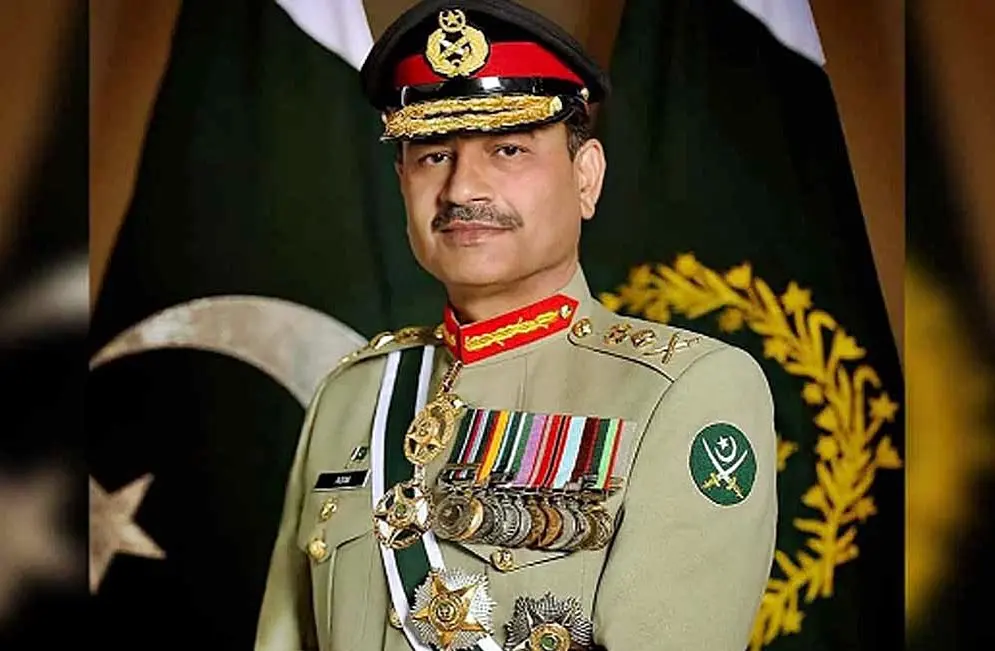
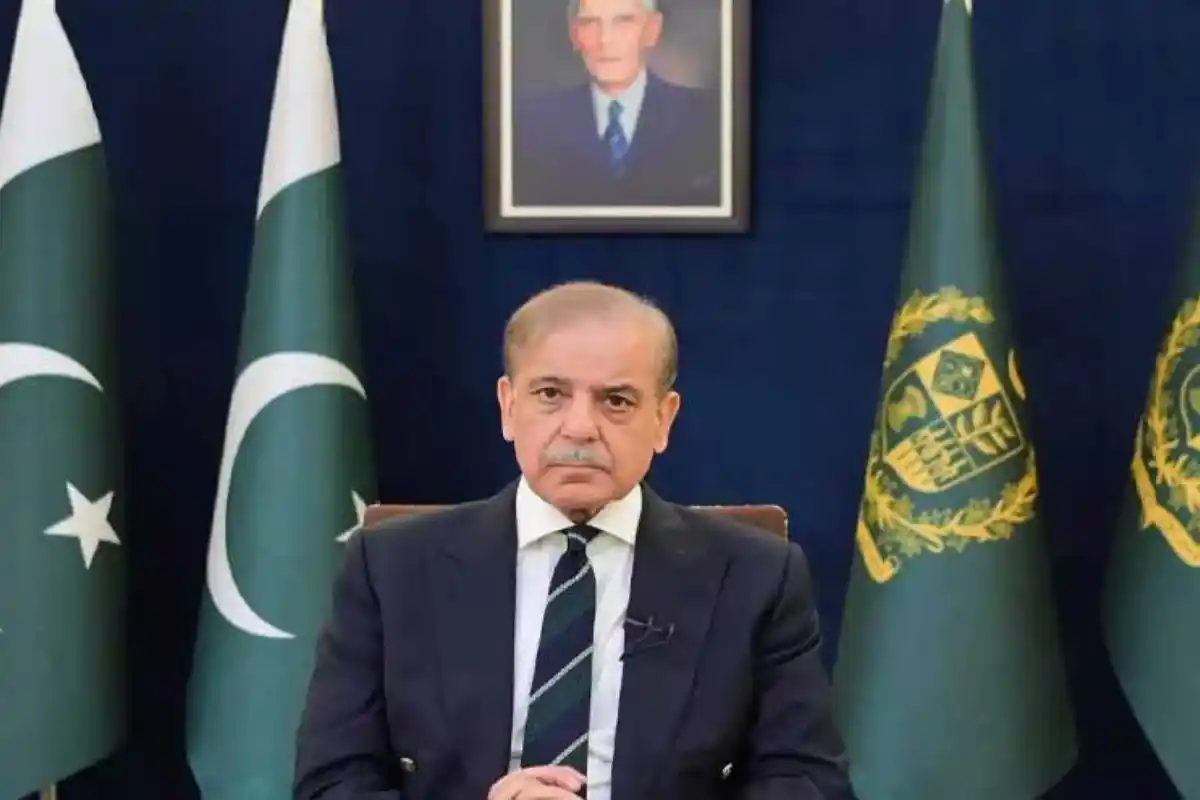
That vow, analysts now say, has not materialised. Pakistan today maintains a close strategic alliance with China and has re-established itself as a valued partner of the United States under President Donald Trump. Over the past year, both Prime Minister Shehbaz Sharif and Field Marshal Syed Asim Munir — who serves as Chief of Army Staff, Chief of Defence Forces, and a key power centre in Islamabad — have held meetings with Trump at the White House. Pakistan also played a pivotal mediating role in the US-Iran conflict, a function that further elevated its standing on the world stage.
Al Jazeera report noted.
The trajectory of Pakistan’s diplomatic rise accelerated sharply following the 87-hour military confrontation with India in May 2025. During the conflict, Pakistan shot down eight Indian fighter jets — comprising four French-manufactured Rafale aircraft, one Su-30, one MiG-29, one Mirage 2000, and one high-value multi-role unmanned aerial system — as well as dozens of drones. The war between the two nuclear-armed states concluded on May 10 with a ceasefire brokered by the United States.
While India maintained that the ceasefire was the product of direct bilateral engagement, Trump asserted on more than 30 occasions that Washington had played a decisive role in halting the escalation. The US president also offered to facilitate a resolution to the long-standing Kashmir dispute, which has defined relations between the two neighbours since 1947. India’s reluctance to acknowledge Trump’s role in ending the conflict reinforced international perceptions that Pakistan had gained a significant advantage in shaping the global narrative — an edge analysts say New Delhi has struggled to recover.
India also failed to persuade the international community of Pakistan’s alleged involvement in the attack that triggered the May 2025 fighting. Meanwhile, Pakistan promptly credited Trump for securing the truce and went a step further by nominating the US president for the Nobel Peace Prize — a move that deepened goodwill in Washington at India’s expense. Analysts say Modi’s refusal to acknowledge Trump’s mediation role has strained US-India ties at a critical moment.
Diplomatic relations
Beyond the immediate conflict, Pakistan’s broader diplomatic landscape has also shifted in its favour. Ties with Bangladesh improved substantially following the removal of Prime Minister Sheikh Hasina Wazed. Pakistan’s partnership with China — already its most enduring strategic relationship — was further demonstrated during the May conflict, in which Pakistani forces deployed Chinese missile defence systems and fighter jets with apparent effectiveness.
India, by contrast, has drawn closer to Israel under Modi, becoming Tel Aviv’s largest arms buyer and one of its most consistent defenders in multilateral forums, including by increasingly abstaining from UN resolutions critical of Israeli military actions. That alignment has complicated India’s standing with Gulf states at precisely the moment Pakistan has been deepening its security partnerships across the oil-rich Gulf Cooperation Council (GCC).
With Gulf nations reassessing their security arrangements amid Israel’s simultaneous wars on Gaza, the occupied West Bank, Lebanon, Iran, Qatar, and Syria, Pakistan has positioned itself as an alternative security provider of growing credibility. In September 2025, Saudi Arabia formalised that relationship by signing a mutual defence pact with Islamabad — with reports suggesting other Gulf states and Türkiye may follow. The May 2025 conflict significantly enhanced Pakistan’s reputation as a capable military partner, with international demand for Pakistani fighter jets surging in the months since.
Catch all the Pakistan News, Breaking News Event and Trending News Updates on GTV News
Join Our Whatsapp Channel GTV Whatsapp Official Channel to get the Daily News Update & Follow us on Google News.
Must Read