
Pakistan-Iran Diplomatic Push: Ishaq Dar Urges Ceasefire Protection as Lebanon Crisis Deepens

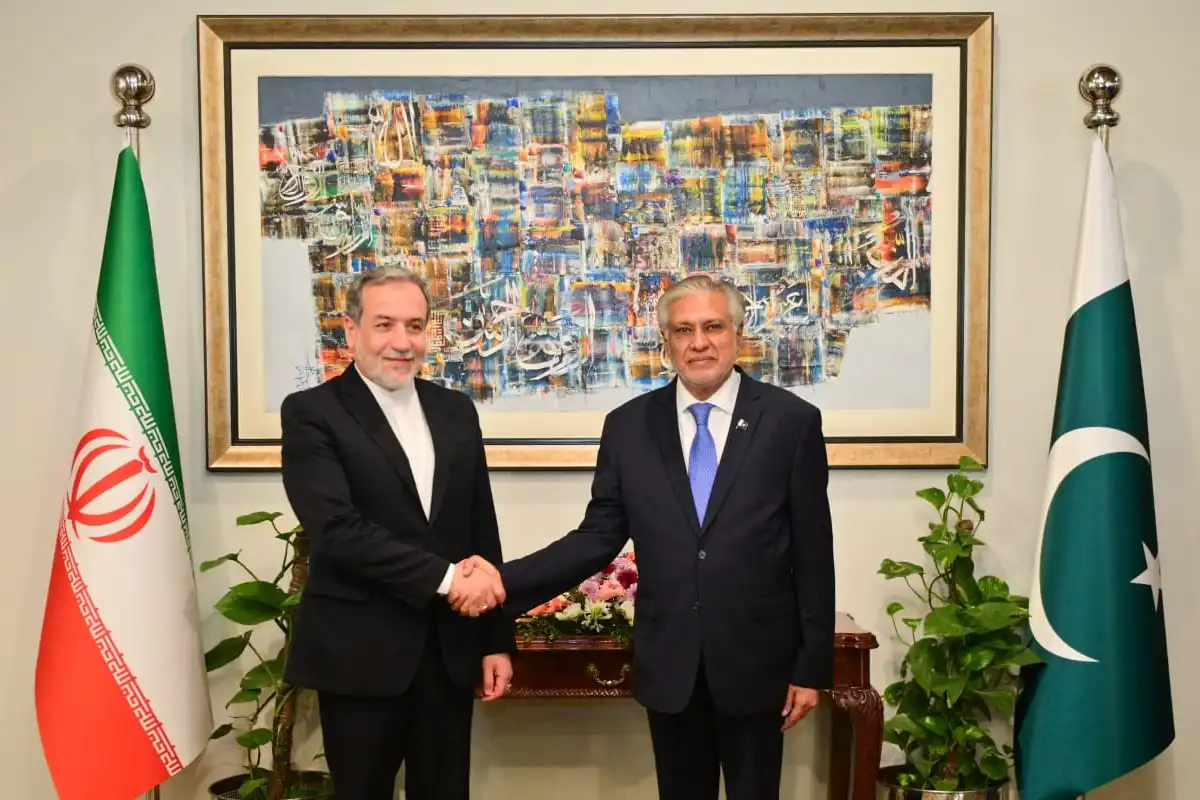
As Israeli military pressure on Beirut intensifies, Pakistan is quietly positioning itself as a stabilizing diplomatic voice in a region teetering on the edge.
Pakistani Deputy Prime Minister and Foreign Minister Ishaq Dar held a significant phone call with Iranian Foreign Minister Abbas Araghchi, discussing the deteriorating security situation across the Middle East — particularly the escalating threat to Lebanon’s fragile ceasefire.
More Than a Courtesy Call
This wasn’t routine diplomacy. The conversation comes at a moment when Lebanon’s ceasefire agreement faces serious stress. Araghchi flagged repeated Israeli violations of the truce and raised alarm over reported Israeli military orders targeting specific districts of Beirut — a move that would mark a dangerous escalation beyond anything seen in recent months.
For Pakistan to receive this briefing directly suggests Tehran views Islamabad as a meaningful back-channel, not merely a sympathetic observer.
Why Pakistan’s Role Matters Here
Pakistan has no direct military stake in the Lebanon conflict, which is precisely what makes its diplomatic position valuable. Islamabad maintains functional relationships across the Gulf, with Arab states, and crucially with Iran — a rare balancing act in today’s fractured regional politics.
Araghchi explicitly praised Pakistan’s “positive and constructive role” in regional diplomacy and urged Dar to continue using that influence to de-escalate tensions. This public acknowledgment signals that Iran views Pakistan as a credible third-party voice — something few countries in the region currently enjoy.
The Lebanon Ceasefire: A Collapsing Framework?
The ceasefire in Lebanon, brokered after months of cross-border exchanges between Israel and Hezbollah, was always fragile. Analysts warned at the time that without enforceable monitoring mechanisms, violations would accumulate. That warning now looks prescient.
Targeted strike orders against Beirut neighborhoods represent a qualitative shift — from border skirmishes to potential urban warfare. If executed, such strikes could unravel whatever diplomatic architecture currently holds the conflict in check.
Pakistan’s Strategic Calculation
Dar’s emphasis on “protecting existing understandings” and maintaining ceasefire continuity reflects a deliberate Pakistani foreign policy choice: stability over alignment. Islamabad has consistently argued that regional conflicts bleed into economic instability, refugee pressures, and energy disruption — all of which hit developing nations hardest.
Both ministers agreed to maintain close contact going forward, suggesting this diplomatic engagement will deepen, not fade.
What Comes Next
The critical question is whether Pakistan’s diplomacy translates into tangible pressure on relevant actors. Symbolic solidarity is insufficient. Islamabad would need to actively engage Western capitals, Gulf partners, and possibly UN frameworks to convert goodwill into ceasefire enforcement.
The window for diplomatic intervention is narrowing. If Beirut comes under fresh strikes, the conversation between Dar and Araghchi may be remembered as the last serious attempt at de-escalation before the crisis entered a new and more dangerous phase.
Catch all the Pakistan News, Breaking News Event and Trending News Updates on GTV News
Join Our Whatsapp Channel GTV Whatsapp Official Channel to get the Daily News Update & Follow us on Google News.
Must Read