
India’s Low-Level Funeral Delegation Signals Diplomatic Constraints in Iran Relations

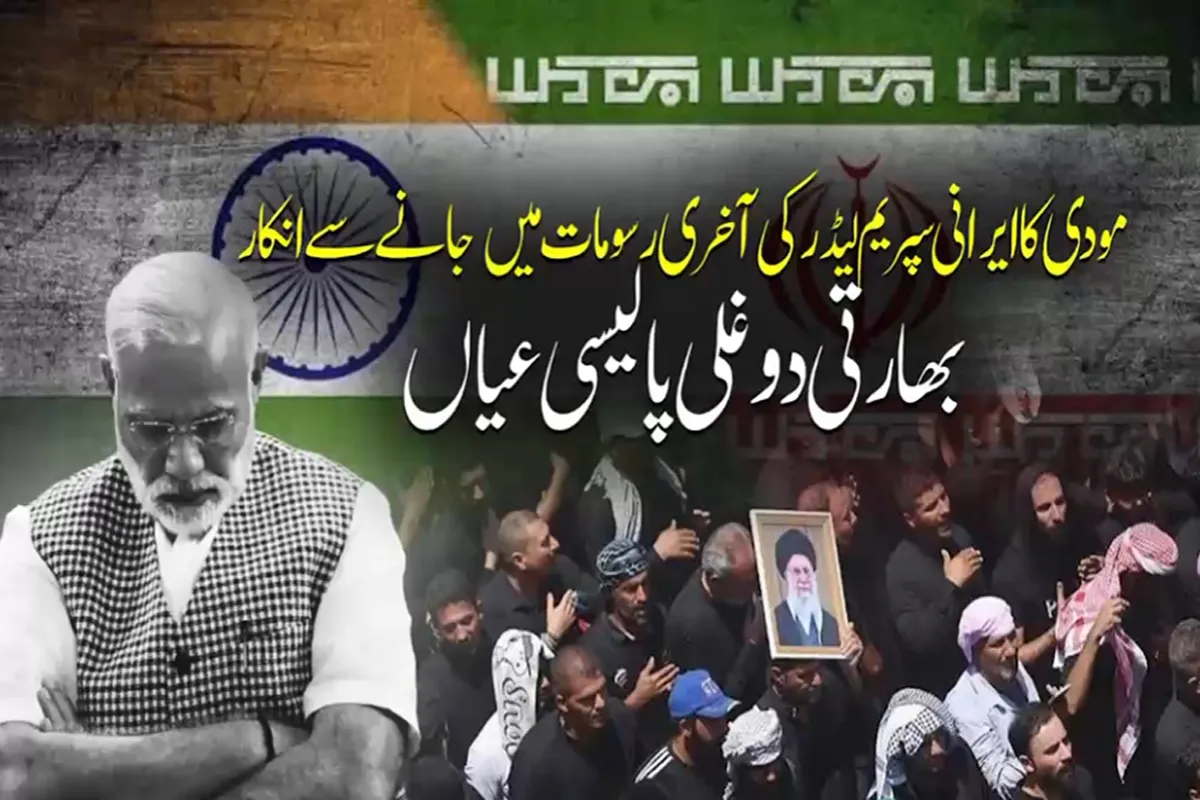
India’s decision to send a junior foreign minister and provincial governor to Khamenei’s funeral—rather than Prime Minister Narendra Modi or senior cabinet officials—exposed contradictions between New Delhi’s stated commitment to Iran partnership and its operational diplomatic caution. The choice triggered analysis suggesting India faces constrained decision-making regarding regional engagement.
Indian media characterized the representation as “low-level,” a designation carrying deliberate diplomatic meaning. Funeral attendance levels communicate relative importance of bilateral relationships; sparse senior representation suggests either limited priority or external pressure constraining attendance decisions. Analysts questioned which explanation applied to India’s choice.
The underlying tension critics identified reflects genuine policy contradiction. India simultaneously pursues energy cooperation with Iran, participates in regional development initiatives like the International North-South Transport Corridor, and requires Iranian consent for access to Central Asian markets. Yet high-level funeral attendance—which would visibly demonstrate commitment to this relationship—apparently conflicted with other foreign policy considerations.
Speculation focused on American pressure as potential constraint. India maintains critical strategic partnership with the United States; Modi administration depends on American technology cooperation, defense relationships, and trade benefits. Some analysts suggested that openly prioritizing Iran funeral attendance might signal to Washington that New Delhi prioritizes Tehran engagement equally with Washington alignment. This perceived contradiction motivated the low-level delegation decision.
Other commentary questioned whether India’s caution reflected genuine strategic calculation or diplomatic weakness. Assertive foreign policy—particularly for rising powers—typically involves accepting potential displeasure from external actors when fundamental national interests require it. By avoiding high-level attendance, India implicitly suggested that Iranian relationship priority remained subordinate to American relationship management.
Historical context amplified the significance. India-Iran relations span centuries; trade and energy cooperation generate substantial bilateral value. The 2016 Joint Comprehensive Plan of Action (JCPOA) created opportunities for Indian participation in Iranian development; though the US withdrawal constrained these possibilities, Iran remained important to Indian regional strategy. Against this backdrop, low-level funeral representation appeared incongruent with stated relationship importance.
The delegation composition itself conveyed additional meaning. Provincial governor participation typically signifies domestic constituency representation rather than central government strategic messaging. Using provincial-level figures for major diplomatic events suggests either inadequate diplomatic resources or intentional downscaling of political significance. Neither interpretation reflects favorably on India’s foreign policy commitment.
Analysts noted that funeral attendance functions as explicit diplomatic statement. Nations routinely calculate representation levels strategically; senior attendance demonstrates relationship prioritization while lower-level presence suggests competing priorities. India’s choice publicly documented that Iran relationship ranked below other considerations in Modi government’s hierarchy.
The decision also reflected broader challenges for rising powers balancing competing great power relationships. India requires both American partnership for development and technological advancement while maintaining regional relationships necessary for South Asian influence. These dual requirements sometimes produce contradictory decisions when managing them simultaneously becomes diplomatically impossible.
Whether India’s caution regarding high-level funeral attendance produced actual strategic advantage remains unclear. If American officials specifically welcomed the low-level delegation choice, the calculation proved successful. If the decision reflected unnecessary self-constraint rather than external requirement, it represented diplomatic miscalculation damaging Iran relations without producing compensatory American benefits.
The funeral ultimately illustrated the constraints shaping Indian foreign policy in multipolar environments where relationship prioritization produces visible diplomatic consequences.
Catch all the World News, Breaking News Event and Trending News Updates on GTV News
Join Our Whatsapp Channel GTV Whatsapp Official Channel to get the Daily News Update & Follow us on Google News.
Must Read