UN Secretary-General Demands Immediate Halt to US-Iran Military Operations in Persian Gulf

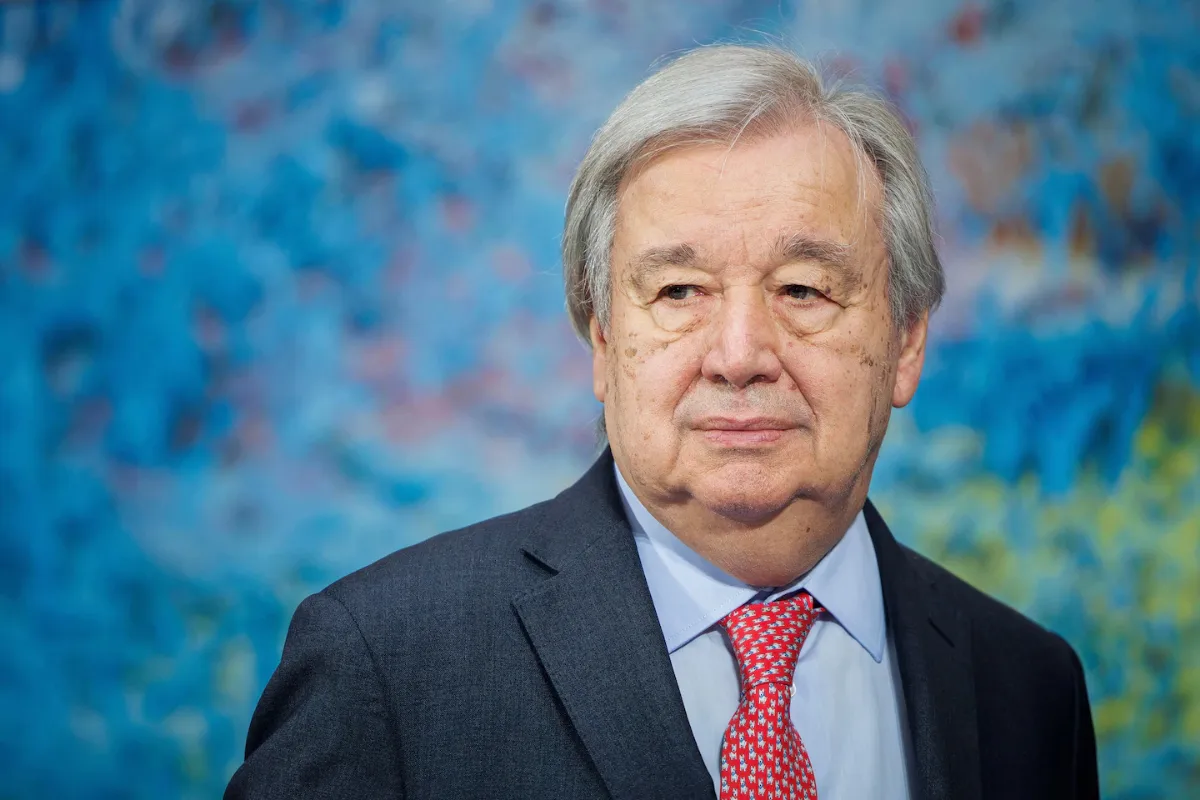
UN Chief António Guterres Condemns US-Israel Attacks on Iran
United Nations Secretary-General António Guterres issued urgent appeal Thursday for immediate cessation of military operations between the United States and Iran, warning that continuing escalation threatens regional destabilization and potential catastrophic conflict.
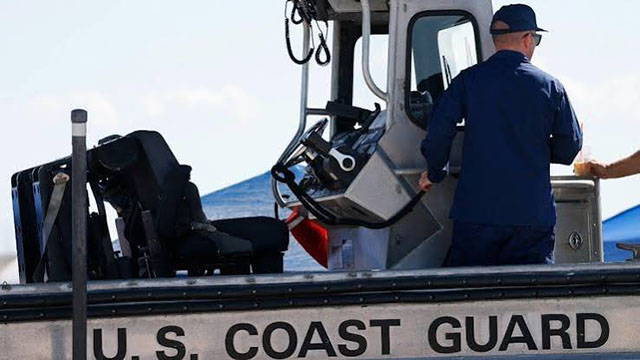
Guterres expressed “grave concern” over deteriorating Persian Gulf security conditions, specifically citing American air strikes against Iranian territory and documented targeting of commercial shipping in the Strait of Hormuz. The UN chief characterized the conflict trajectory as unsustainable, demanding that both nations suspend military activities immediately.
The Secretary-General identified missile and drone strikes on American-allied military bases in the Persian Gulf as primary destabilization drivers. These operations, he argued, threaten regional stability and undermine international commerce dependent on unobstructed Strait of Hormuz access. Guterres positioned UN intervention as necessary diplomatic response to conflict momentum threatening broader Middle Eastern security.
Diplomatic Escalation and International Concern
Guterres’ statement represents institutional acknowledgment that bilateral US-Iran conflict poses multilateral risks extending beyond bilateral dispute resolution. The UN Secretary-General’s direct intervention signals that international community views uncontrolled escalation as threatening global security frameworks.
The statement emphasized that diplomatic resolution remains viable if both parties demonstrate willingness to negotiate. Guterres urged immediate resumption of substantive talks designed to address underlying disputes rather than perpetuate military exchanges. This positioning reflects UN assessment that continued military operations produce no strategic advantage justifying conflict continuation.
The Secretary-General specifically addressed the Strait of Hormuz commercial shipping threat. Approximately 20 percent of global oil trade transits these waters; Iranian control assertions and American intervention attempts create uncertainty undermining international commerce. Guterres framed maritime security as multilateral concern transcending bilateral US-Iran interests.
International Implications and Regional Impact
UN intervention carries diplomatic weight despite limited enforcement mechanisms. The Secretary-General’s public statement establishes institutional record documenting UN concern, positioning future actions within documented international consensus supporting de-escalation.
The appeal implicitly critiques both parties’ escalation strategies. By demanding mutual cessation rather than proportional withdrawal, Guterres positions the UN as neutral arbiter rather than faction-aligned observer. This neutrality framework permits international credibility necessary for mediation effectiveness.
The statement reflects broader international community consensus that unconstrained US-Iran conflict threatens global stability. European nations, non-aligned countries, and regional powers share concern regarding escalation trajectory. Guterres’ public intervention represents consolidated international position urging restraint.
Whether both parties accept UN appeal remains uncertain. Historical precedent suggests that military momentum often overwhelms diplomatic intervention absent compelling incentives for negotiated settlement. Yet Guterres’ statement establishes diplomatic foundation for potential de-escalation if political circumstances permit.
Catch all the World News, Breaking News Event and Trending News Updates on GTV News
Join Our Whatsapp Channel GTV Whatsapp Official Channel to get the Daily News Update & Follow us on Google News.
Must Read
Pakistan
Naqvi Says KP Government Backed Out of Security Commitments During Final Talks
4-October،2026