Pentagon Admits Iran War Has Strained US Weapons Reserves, General Warns of Missile Shortages

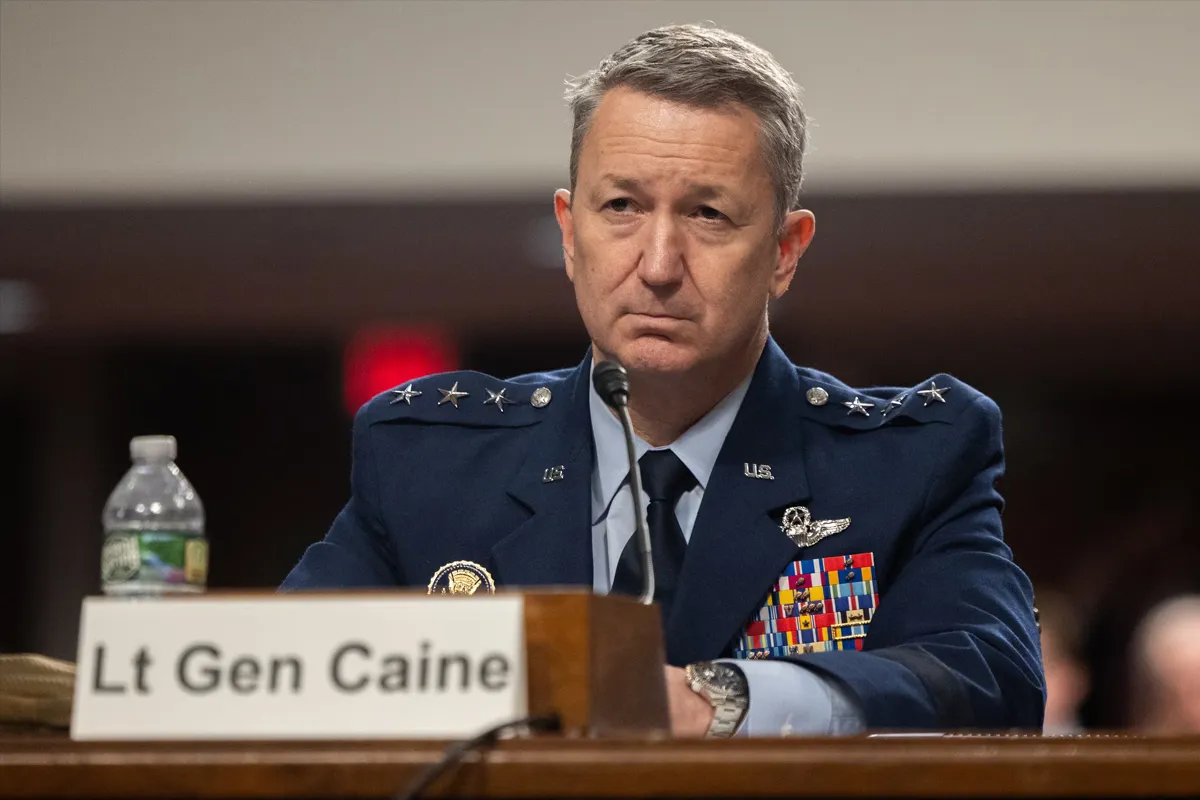
Resuming large-scale military operations against Iran remains possible, but would dangerously deplete US missile stockpiles, according to General Dan Caine, Chairman of the Joint Chiefs of Staff.
His warning comes as reports emerged that President Trump ordered a halt to strikes on Iran, following 13 consecutive days of continuous military action.
A senior official, speaking on condition of anonymity, said the results of strikes on Iran have run counter to expectations, with American attacks instead giving Iran an opportunity to unify internally and allowing Iranian leadership to maintain focus on external threats rather than facing the kind of internal fragmentation US strategists may have anticipated. That assessment suggests a degree of internal skepticism within US military and political circles about whether the sustained bombing campaign has achieved its intended strategic effect.
According to US media reports, the order to pause the ongoing campaign was issued Friday, though it remains unclear whether this represents a one-day pause or a more durable ceasefire. That ambiguity mirrors the pattern seen throughout this conflict, where previous pauses and memoranda of understanding have repeatedly given way to renewed fighting within weeks, making it difficult to assess from initial reports alone whether this latest halt will prove more durable.
Caine’s stockpile warning adds a concrete operational constraint to the strategic uncertainty surrounding the pause. It aligns with previous congressional testimony from Defense Secretary Hegseth, who told the Senate Appropriations Committee that funding was urgently needed to expand production of high-demand munitions including solid rocket motors, JDAMs, and counter-drone capabilities, warning that training would need to be curtailed without prompt budget approval. Separately, reports have indicated the US military placed its first order in over 30 years for new Patriot PAC-2 interceptors, with estimates suggesting between 1,060 and 1,430 Patriot interceptors have already been expended during the conflict.
The combination of depleting stockpiles and an internal assessment questioning the strikes’ strategic effectiveness suggests the pause may reflect substantive military and logistical constraints, not solely a diplomatic gesture tied to renewed talks through mediators including Pakistan and Qatar. Both dynamics — limited resources and questions about strategic payoff — could be operating simultaneously, with the diplomatic opening providing a face-saving rationale for a pause that battlefield logistics may have made increasingly necessary regardless.
This assessment also complicates the narrative around Iran’s internal cohesion during the conflict. Earlier reporting had highlighted internal Taliban-style fragmentation narratives in other contexts, but here a senior US official is explicitly acknowledging that sustained bombing may have produced the opposite of its intended effect within Iran, strengthening rather than weakening the government’s domestic position — a dynamic with historical precedent in other conflicts where external military pressure has sometimes rallied domestic public support around a government rather than eroding it.
Whether this pause holds and translates into a durable de-escalation, or whether depleted stockpiles simply mean any renewed campaign would need time to rebuild capacity before resuming at the previous intensity, will likely become clearer in the coming days as both the diplomatic channels and the Pentagon’s own logistical constraints continue shaping the conflict’s next phase.
Catch all the World News, Breaking News Event and Trending News Updates on GTV News
Join Our Whatsapp Channel GTV Whatsapp Official Channel to get the Daily News Update & Follow us on Google News.
Must Read