
From ‘Defeat’ Claims to Negotiations: Trump’s Iran Strategy Faces New Questions

Trump Aides Seek to Keep Iran War ‘Quiet’ Until November Midterms
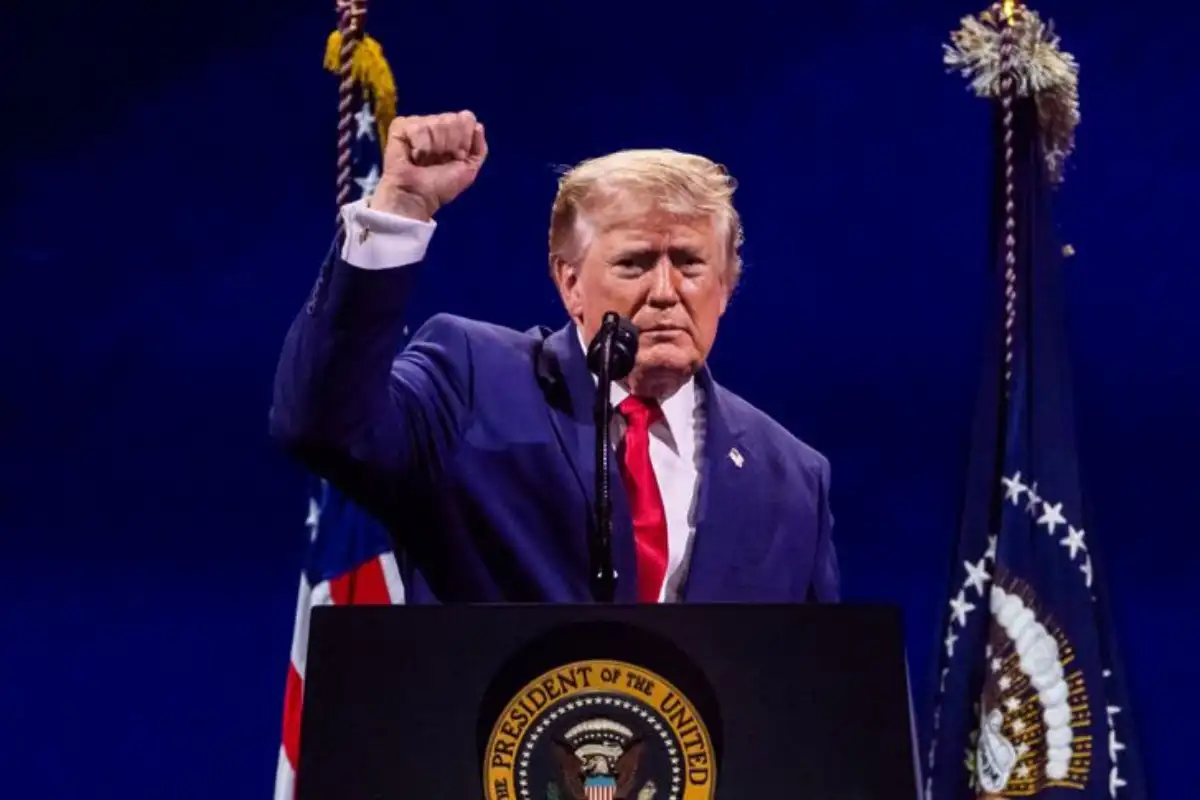
President Trump claimed the United States has destroyed Iran’s navy, air force, military leadership, and air defense systems, declaring during a speech in Michigan that Iran cannot be bought and must be defeated — and that Washington is defeating it badly.
Trump said US operations had destroyed Iran’s naval and air forces, eliminated its leadership, and dismantled its air defense network. He further claimed the US had destroyed most of Iran’s drone and missile production capacity, asserting Iran is now producing drones at only about 7% of its previous capacity. These are Trump’s own characterizations; none of these specific claims about destroyed capacity have been independently verified through neutral military assessments, and Iran has continued asserting operational capability throughout the conflict, including recent claims of intercepting a US Tomahawk missile and disabling multiple vessels in the Strait of Hormuz.
Trump said Iran is now discussing an agreement with the US, but argued that outcome would never have materialized without sustained, forceful military action. He described Iran as the Middle East’s “bully” for the past 47 to 50 years, contrasting his approach with what he characterized as former President Barack Obama’s belief that concessions could win Iran over. Trump said Iran cannot be bought — it has to be defeated, and that’s what the US is doing to it badly, adding that he’d wait to see how things ultimately unfold while describing current talks with Iran as extremely pleasant.
That characterization of “extremely pleasant” talks sits in tension with other recent accounts of the negotiating process. Iran’s Deputy Foreign Minister Kazem Gharibabadi recently described the Islamabad-brokered talks as having broken down after Iran rejected what it called unreasonable American demands, with the US delegation subsequently leaving the negotiations entirely. Gharibabadi’s account, along with Iran’s continued rejection of a separate Omani compromise proposal on the Strait of Hormuz, suggests substantially more friction in the diplomatic process than Trump’s public characterization conveys.
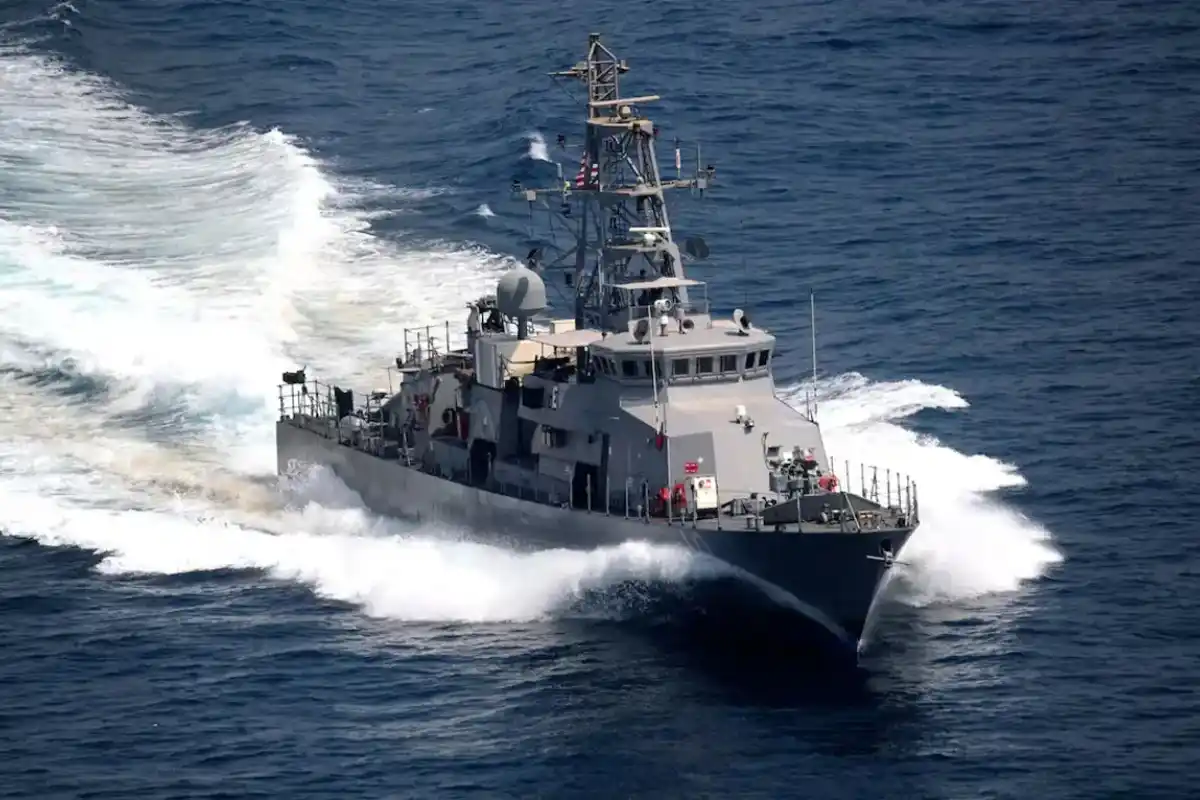
Trump also addressed the US naval blockade, calling it so effective that not a single vessel can pass through, and claiming Iran is now asking the US to please end the blockade. This claim similarly runs counter to Iranian officials’ own public statements, which have consistently framed continued closure of the Strait of Hormuz as Iran’s own deliberate policy choice rather than something imposed on it by American blockade — Gharibabadi specifically stated that Iran’s policy of keeping Hormuz closed remains in effect regardless of talks’ outcomes, describing it as an example of dignified Iranian diplomacy rather than a position under external pressure.
The significant gap between Trump’s characterization of the conflict’s trajectory — total military destruction of Iranian capability paired with pleasant, Iran-initiated talks — and Iran’s own public statements describing rejected proposals and a continued deliberate blockade policy reflects the broader pattern of dueling, often contradictory narratives that have characterized public statements from both sides throughout this conflict. Independent verification of the specific military damage claims Trump made regarding Iran’s naval, air, and drone production capacity would require assessment from sources beyond either government’s own public statements.
Whether the diplomatic process Trump describes as pleasant produces an actual agreement, particularly given Iran’s recent rejections of both the Islamabad plan and Oman’s Hormuz compromise, will likely determine which side’s characterization of the conflict’s current trajectory proves more accurate in the coming weeks.
Catch all the World News, Breaking News Event and Trending News Updates on GTV News
Join Our Whatsapp Channel GTV Whatsapp Official Channel to get the Daily News Update & Follow us on Google News.
Must Read