
Trump’s War Policies Backfire as Economic Challenges Mount Across America

Parent company of Trump's Truth Social reports $400 mn loss
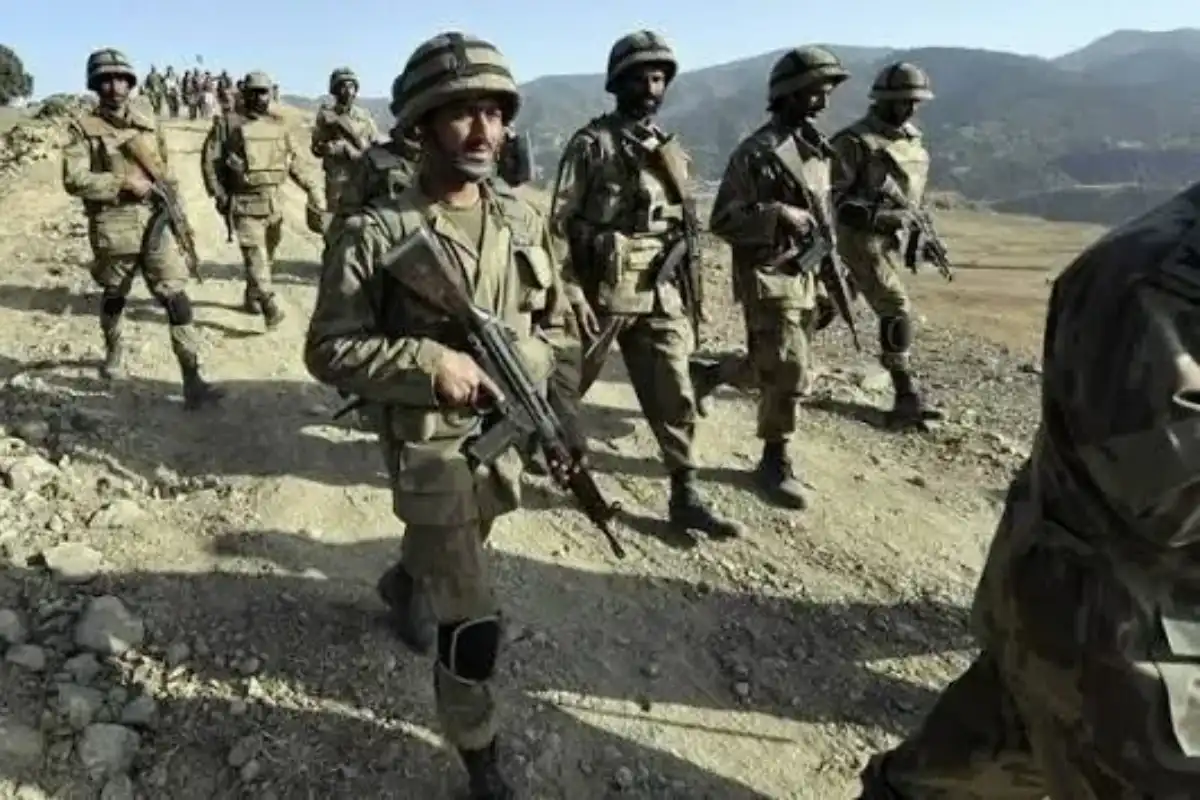
The US economy has faced sustained pressure from the Iran war and related policy decisions during Trump’s second term, according to a Reuters analysis examining the first 18 months of his administration. The analysis identifies immigration crackdowns, increased import tariffs, and the Iran war as major factors weighing on economic performance during this period.
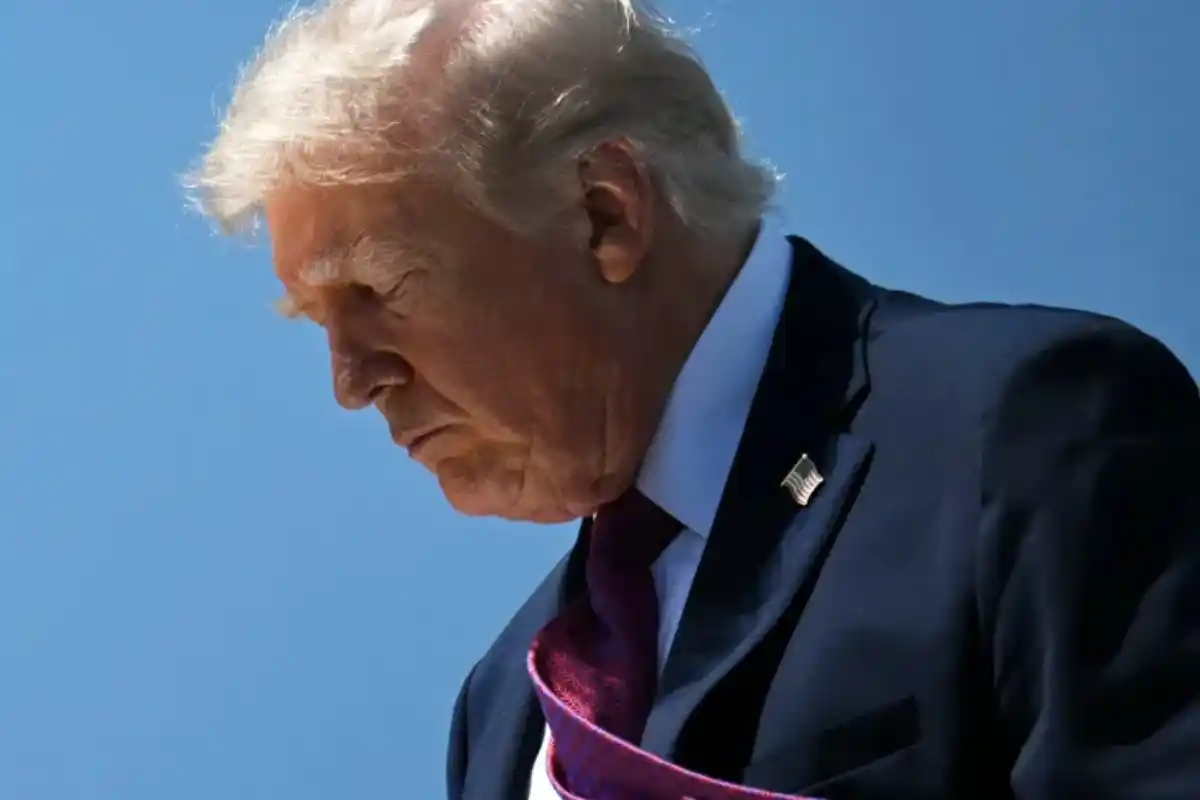
Trump has not fulfilled campaign promises to lower prices, boost manufacturing jobs, and deliver relief to the middle class, according to the analysis. The Iran war specifically drove up oil prices, adding pressure on inflation and global supply chains — a dynamic consistent with recent market data showing Brent crude climbing above $100 a barrel for four consecutive weeks before a reported pause in strikes brought a sharp 5% pullback.
Experts cited in the analysis say rising import tariffs and energy costs are directly affecting consumers, while manufacturing employment hasn’t seen the significant growth Trump had promised. Immigration restrictions combined with an aging population have created worker shortages in certain sectors — a combination that has compounded rather than offset the broader economic headwinds from tariffs and energy price volatility.
The analysis also points to a persistent housing crisis, with high interest rates and expensive homes making homeownership increasingly difficult for Americans — a longer-running structural challenge that predates the current administration but has continued without meaningful improvement during this period, according to the assessment.
Despite these pressures, the analysis characterizes the underlying US economy as fundamentally strong, while noting that inflation, war-related costs, and policy decisions remain significant ongoing challenges. That framing suggests the economic strain reflects specific, addressable factors rather than a broader structural weakness — though the interconnected nature of tariffs, war costs, and inflation makes disentangling their individual effects difficult.
The war’s direct financial toll adds concrete numbers to this broader economic picture. Defense Secretary Hegseth recently told the Senate Appropriations Committee the conflict has cost $37.5 billion in direct military spending, while Moody’s Analytics has estimated the broader domestic economic cost, including higher energy prices for consumers, at up to $150 billion — a gap illustrating how the war’s economic impact extends well beyond direct Pentagon spending into costs American households absorb through fuel and goods prices.
This economic assessment arrives as the war’s trajectory itself remains uncertain, with Trump recently claiming Iran has been badly defeated militarily while simultaneously describing ongoing talks as extremely pleasant, even as Iranian officials describe recent negotiations breaking down over rejected proposals in Islamabad and Oman. Whether reported pauses in fighting translate into a durable de-escalation that eases the economic pressure Reuters describes, or whether renewed conflict continues compounding tariff and immigration-related strain on the economy, will likely shape whether these headwinds prove temporary or become a defining feature of the remainder of Trump’s term.
Catch all the World News, Breaking News Event and Trending News Updates on GTV News
Join Our Whatsapp Channel GTV Whatsapp Official Channel to get the Daily News Update & Follow us on Google News.
Must Read