
Saudi Arabia, US carry out strikes on Iran-backed militias in Iraq

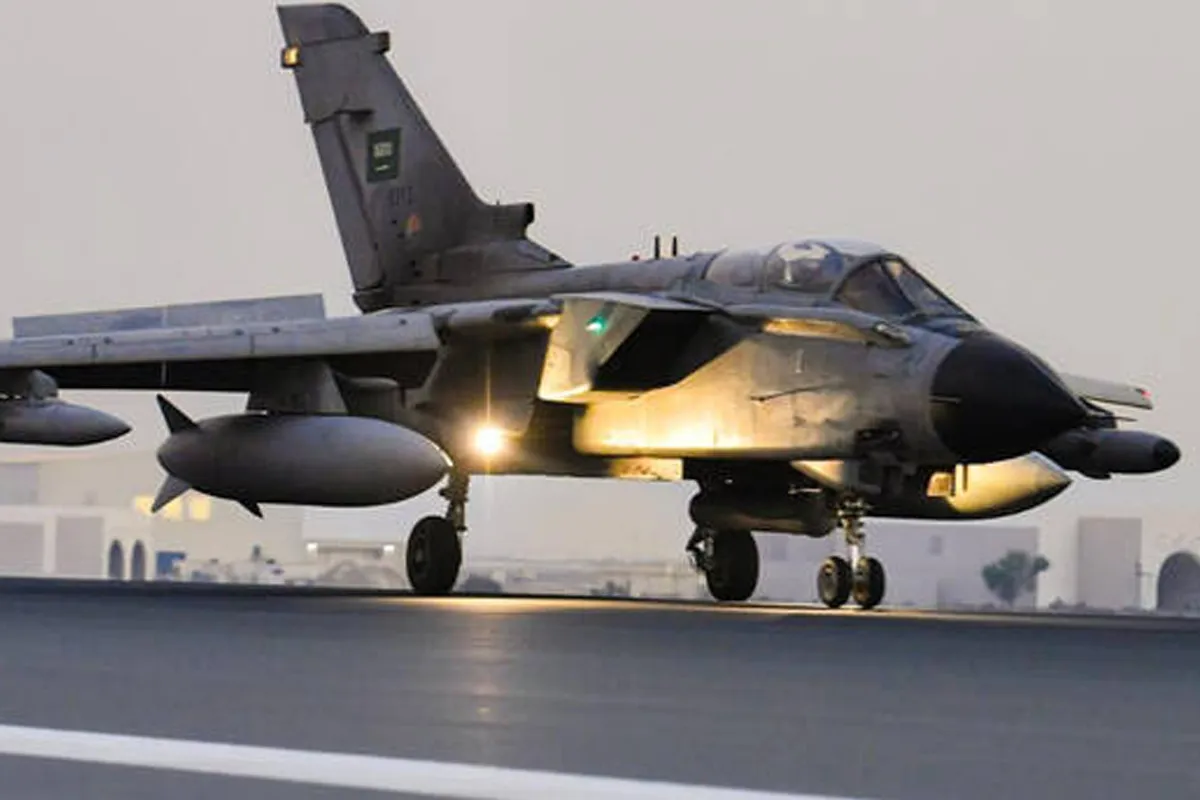
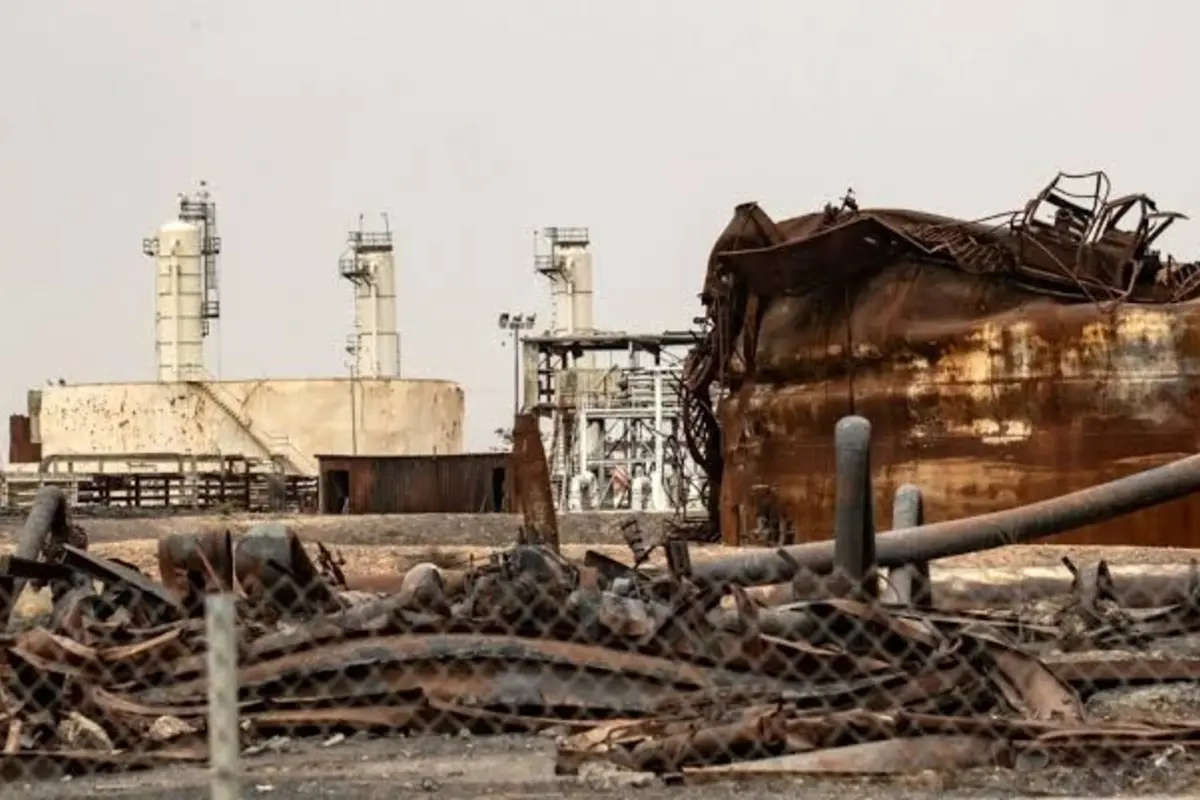
Saudi Arabia’s Defence Ministry says its armed forces, coordinating with US Central Command, conducted targeted strikes against Iranian-backed militia sites in Iraq following drone attacks on Saudi petroleum facilities.
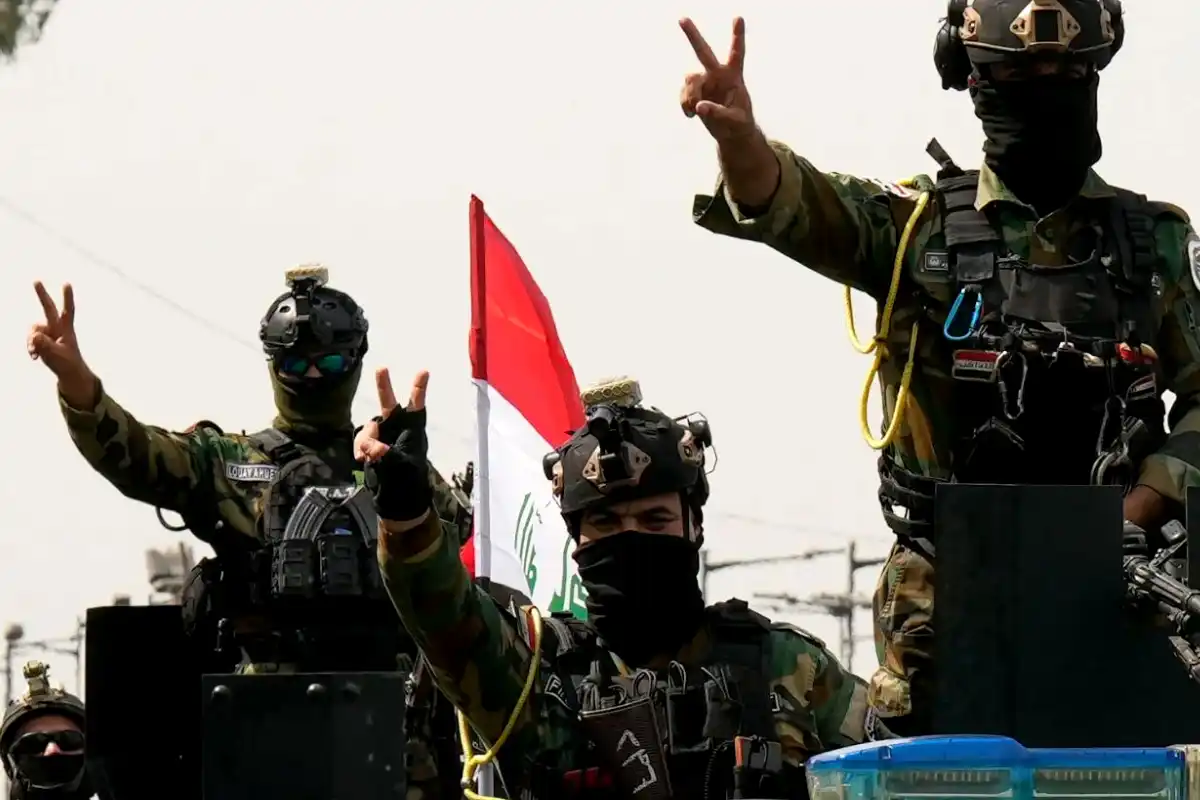
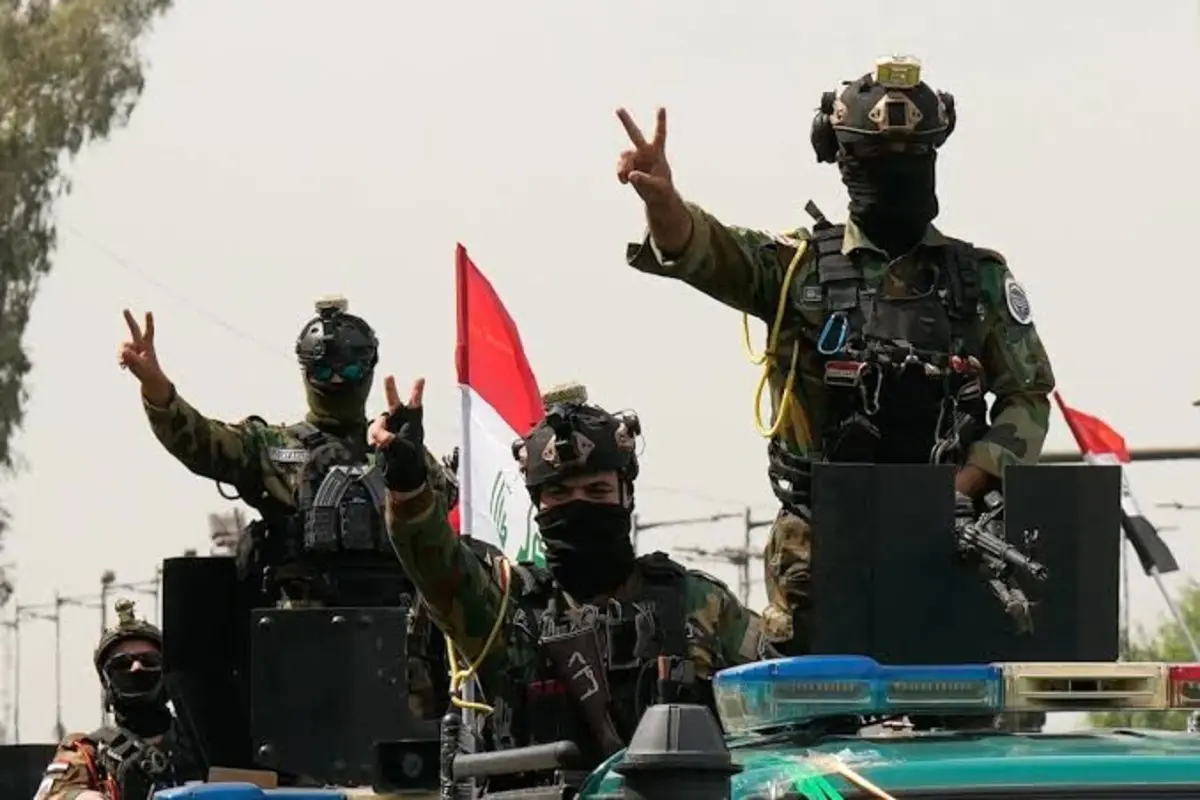
Spokesman Turki al-Maliki referenced earlier statements from Monday and Tuesday in which the ministry said air defenses had intercepted drones targeting petroleum facilities in the Eastern Province and Riyadh, describing those attacks as launched from Iraqi territory by Iran-backed militias.
Al-Maliki said the strikes were carried out under Saudi Arabia’s inherent right to self-defense and international law, specifically citing Article 51 of the UN Charter, which permits states to take military action in self-defense against armed attacks. He described the joint operations as targeting sites belonging to militias present in Iraq that were linked to the petroleum facility attacks.
The ministry emphasized Saudi Arabia does not seek escalation, but warned it will respond to any aggression it faces — language that positions the strikes as a defensive, proportionate response rather than an offensive expansion of hostilities, even as the action extends Saudi military operations onto Iraqi territory for the first time in this broader regional conflict.
This marks a significant widening of the fronts now active in the region. Saudi Arabia has already been contending with a separate naval blockade threat from Yemen’s Ansar Allah movement and confirmed strikes on Houthi targets in Hodeidah, while now also directly engaging Iran-backed militias operating from Iraq — meaning the kingdom is now managing security threats from both its southern and northeastern flanks simultaneously, layered atop the broader US-Iran conflict already destabilizing the wider Gulf region.
The direct US-Saudi military coordination cited in this operation reflects the close security partnership between the two countries throughout the current crisis, extending beyond diplomatic support into joint kinetic action against shared adversaries. This level of coordination adds a new dimension to the conflict beyond the primarily bilateral US-Iran strikes and Iran’s own claimed retaliatory actions against Gulf states hosting American forces.
The targeting of Saudi petroleum infrastructure specifically echoes previous attacks on the kingdom’s oil facilities in past years, attacks that have historically drawn significant international attention given Saudi Arabia’s role as the world’s largest oil exporter and the direct implications any disruption carries for global energy markets — concerns already heightened given Brent crude’s recent volatility above $100 a barrel amid the broader regional conflict.
Iraq’s territorial role as a base for Iran-backed militia operations against Saudi Arabia adds another complication to Baghdad’s already delicate position in this conflict, having recently attempted to mediate a ceasefire proposal between Washington and Tehran that Iran ultimately rejected. Whether Iraq’s government responds to having its territory used as a launching point for strikes against a neighboring state, or whether this incident further complicates Iraq’s mediating credibility, will likely factor into how effectively Baghdad can continue playing any diplomatic role in the broader regional conflict going forward.
Catch all the World News, Breaking News Event and Trending News Updates on GTV News
Join Our Whatsapp Channel GTV Whatsapp Official Channel to get the Daily News Update & Follow us on Google News.
Must Read