Iran Draws New Red Line, Warns Any US Military Move Will Be Answered

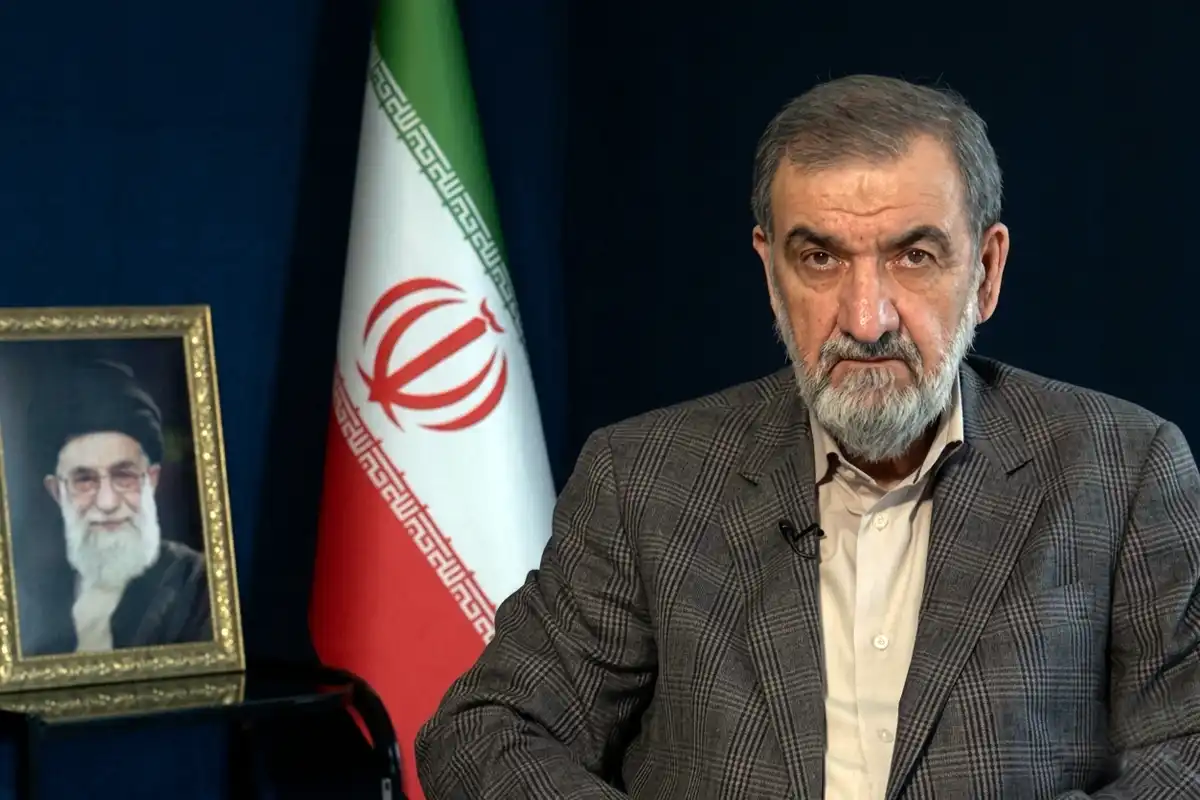
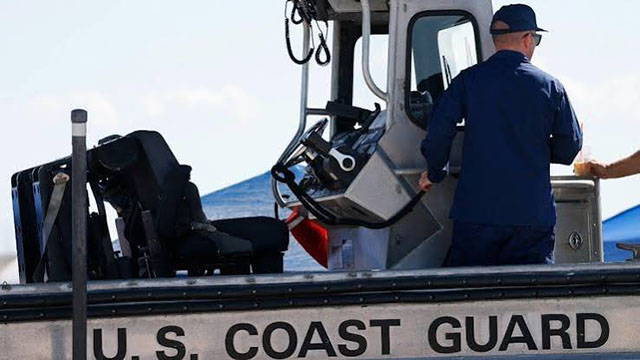
Iran will not permit any alternate route through the Strait of Hormuz, according to Major General Mohsen Rezaei, senior advisor to Supreme Leader Mojtaba Khamenei. Rezaei warned that any US warship or military force brought into the strait would also become a target, while reiterating that no alternative passage will be allowed.
Rezaei said many vessels are turning back in response to Iranian warnings, characterizing ships that follow American directives as sustaining damage before ultimately reversing course themselves. He said Iran remains firm in its position that Hormuz will not reopen on American terms.
This statement extends the consistent, hardline position Iranian officials have maintained on Hormuz throughout the conflict’s diplomatic breakdowns, aligning with Deputy Foreign Minister Kazem Gharibabadi’s recent confirmation that Iran rejected an Omani compromise proposal specifically because it would have kept a shipping route open pending further negotiation rather than closing immediately. Rezaei’s warning against “any other route” appears to reference exactly this kind of alternative-passage arrangement that Iran has now rejected through multiple mediation channels.
Rezaei also addressed a separate incident involving Ukraine, revealing that Iran had prepared strikes on three targets inside Ukraine in response to an earlier attack on an Iranian vessel. He said Iran abandoned those plans after Ukraine acknowledged its attack on the Iranian ship was a mistake, but added that Ukraine would still have to pay a price regardless.
This disclosure adds significant new detail to the earlier reported Caspian Sea incident, in which Iran had accused Ukrainian President Zelensky of ordering a strike on an Iranian commercial vessel that killed a sailor, while Zelensky maintained the vessel was being used to transport military equipment to Iran. Rezaei’s account suggests Ukraine may have subsequently walked back its justification and admitted fault — a development that would mark a notable shift from the direct contradiction between the two countries’ accounts previously reported. However, Rezaei’s claim that Iran still intends to make Ukraine pay a price despite this acknowledged mistake suggests the underlying tension from the incident hasn’t been fully resolved diplomatically, even if the immediate retaliatory strikes were called off.
The revelation that Iran had readied strikes on Ukrainian targets also underscores how close this incident came to formally widening the conflict to include a nation not previously an active combatant, and raises questions about what specifically Iran considers adequate compensation or consequence for the incident going forward.
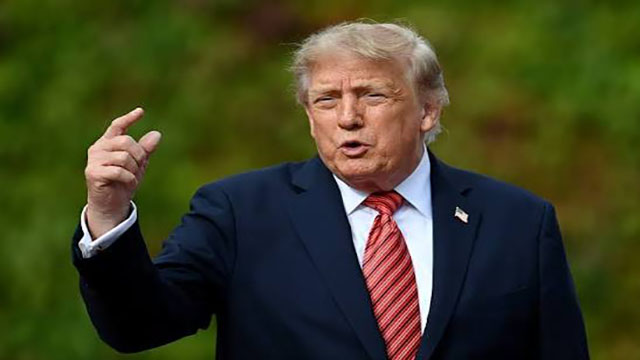
Rezaei’s Hormuz remarks arrive amid contradictory signals about the conflict’s broader trajectory, with President Trump recently claiming talks with Iran were under way and describing it as a last chance for Tehran to sign a deal, while Iran’s Foreign Ministry spokesman Baghaei denied any negotiations were occurring at all. Rezaei’s firm restatement of Iran’s position — that Hormuz will not reopen on American terms and that alternate routes won’t be permitted — suggests that regardless of whatever diplomatic contact may or may not be happening through other channels, Iran’s core position on the strait itself remains unchanged and non-negotiable from the military leadership’s perspective.
Whether this hardline stance from a senior Khamenei advisor forecloses any near-term resolution to the Hormuz standoff, or whether it represents positioning ahead of further negotiation, will likely become clearer depending on how the reported but disputed talks between Washington and Tehran develop in the coming days.
Catch all the World News, Breaking News Event and Trending News Updates on GTV News
Join Our Whatsapp Channel GTV Whatsapp Official Channel to get the Daily News Update & Follow us on Google News.
Must Read
Pakistan
Naqvi Says KP Government Backed Out of Security Commitments During Final Talks
4-October،2026