
Trump Says Iran Talks Under Way, Tehran Denies Any Meetings

Donald Trump Trump Announces US Deal to Gain Control of Major Venezuelan Oil ReservesIran strikes US Iran tensions US military strikes Iran nuclear threat Strait of Hormuz Hormuz reopening
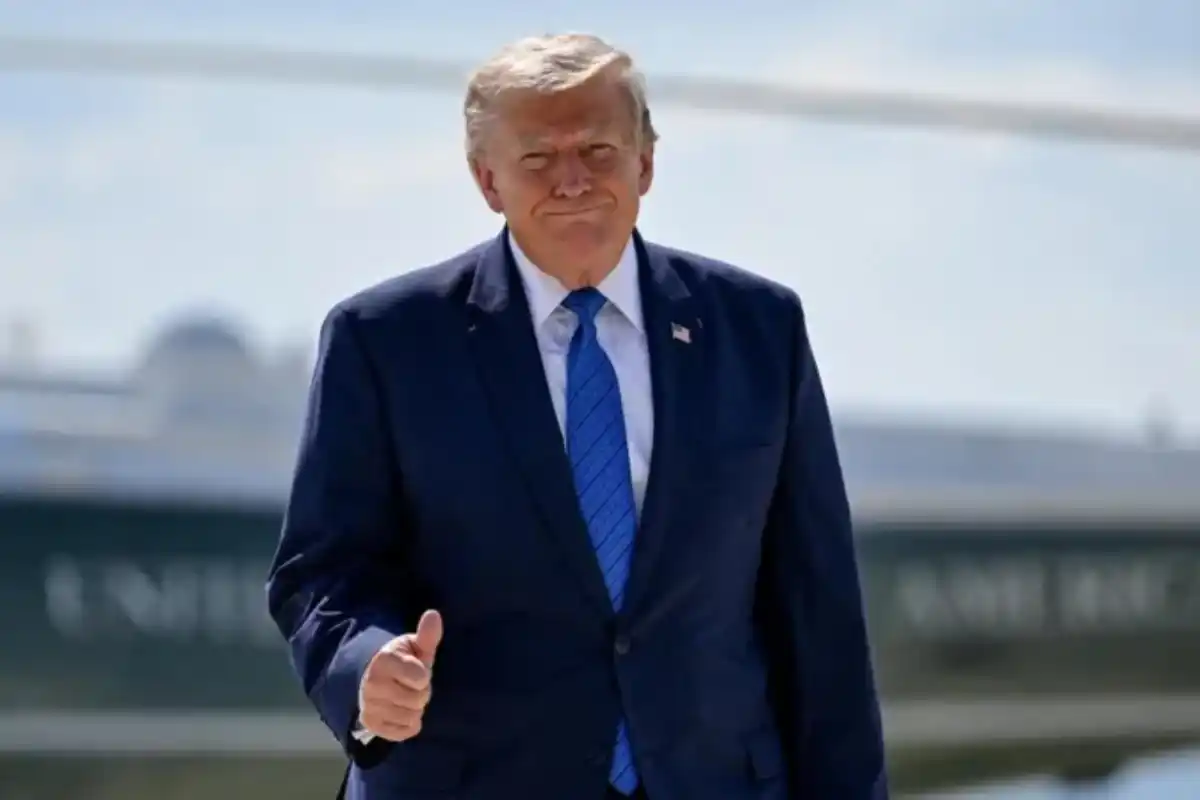
President Trump said Monday that talks with Iran were under way, calling it a last chance for Tehran to sign a good deal ending the five-month-old war — but Iran’s Foreign Ministry flatly denied that any negotiations were taking place or planned, leaving the two sides’ public accounts directly contradicting each other.
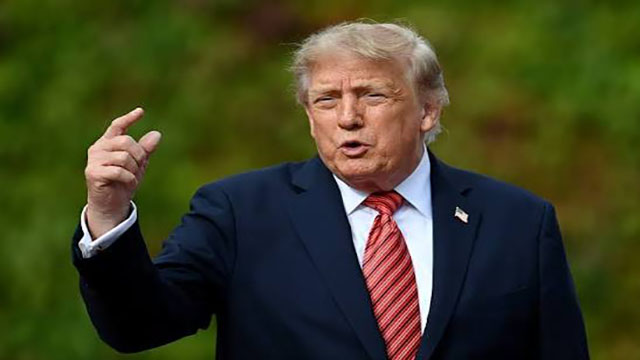
Trump told reporters at an Oval Office event that talks were happening at the request of Iran, Saudi Arabia, the UAE, and Qatar, describing the moment as a last chance for Iran to sign a good document. His comments followed his weekend decision to call off what he described as massive attacks he had authorized on Iran, citing planned talks — the latest instance of a pattern in which he has threatened major strikes only to cancel them.
Iranian Foreign Ministry spokesman Esmail Baghaei said earlier Monday that no negotiations with the US were taking place and none were scheduled, adding Iran had no plans to host foreign delegations or send negotiators abroad in the coming days. He said all Iranian negotiators remained in the country except Foreign Minister Abbas Araghchi, who was on a religious pilgrimage in Iraq, and that the only active talks were with Oman over managing the Strait of Hormuz. A senior Iranian source separately told Reuters no talks were planned and that Araghchi would remain unavailable at least until week’s end.
Gulf officials and analysts describe Iran’s strategy as a calculated bet that it can outlast Washington by converting regional trade routes, shipping lanes, and energy infrastructure into pressure points that steadily raise the cost of confrontation. Michael Knights of the Washington Institute said Iran’s key advantage lies in its ability to hurt regional states and the global economy simultaneously — a dynamic already visible in Brent crude’s climb above $100 a barrel during the conflict’s more intense phases.
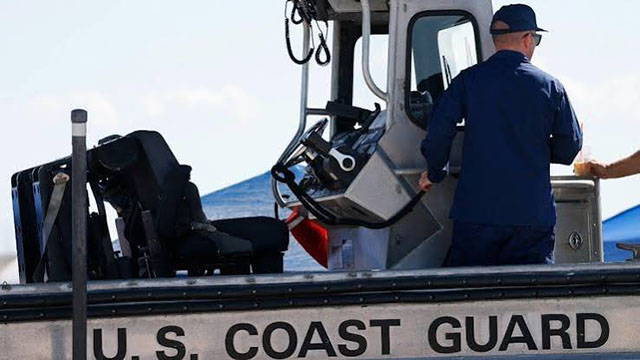
Trump escalated his rhetoric further in a Truth Social post later Monday, calling Iran’s leadership unbelievably duplicitous while claiming they had actually requested a meeting and that more talks were scheduled for the immediate future — directly conflicting with Baghaei’s same-day denial. He also repeated his assertion that the US Navy maintains total control over the Strait of Hormuz, through which a fifth of global oil and LNG flowed before the conflict, declaring nothing gets through to Iran unless the US allows it, and that nothing will pass without either a deal or total surrender.
This exchange fits a recurring pattern since Trump launched Operation Epic Fury alongside Israel over five months ago: repeated threats of major military action followed by de-escalation citing diplomatic contact, while Iran has publicly rejected negotiations with Washington since the June memorandum of understanding collapsed in early July. Trump has yet to achieve his stated war objectives — dismantling Iran’s nuclear program, curbing its regional strike capability, and creating conditions for Iranians to overthrow their government — while each US escalation has been met by escalating Iranian responses against American forces, Gulf allies, and shipping, consistently ending with Trump stepping back.
The Strait of Hormuz dispute remains the conflict’s central unresolved issue. Washington maintains the June memorandum required Iran to open the waterway, while Tehran argues the text explicitly preserved its authority over shipping traffic — an interpretation that, if it holds, would leave Iran with greater leverage over the strait than it had before the war began, a outcome that would represent a significant setback for Trump’s stated objectives. The US has so far failed to compel Iran to relinquish control of the waterway, sending global oil prices higher and raising politically sensitive US gasoline prices in the process.
Markets responded to signs of easing tension despite the contradictory statements: Brent crude fell about 7% to roughly $83.77 a barrel Monday, while the Dow registered a record closing high — suggesting investors are reading the reported pause in strikes as a genuine, if fragile, de-escalation regardless of the unresolved dispute over whether actual negotiations are occurring.
Catch all the World News, Breaking News Event and Trending News Updates on GTV News
Join Our Whatsapp Channel GTV Whatsapp Official Channel to get the Daily News Update & Follow us on Google News.
Must Read
Pakistan
Naqvi Says KP Government Backed Out of Security Commitments During Final Talks
4-October،2026