Satellite Images Show Extensive Damage to Key Saudi Oil Pipeline as Supply Fears Grow

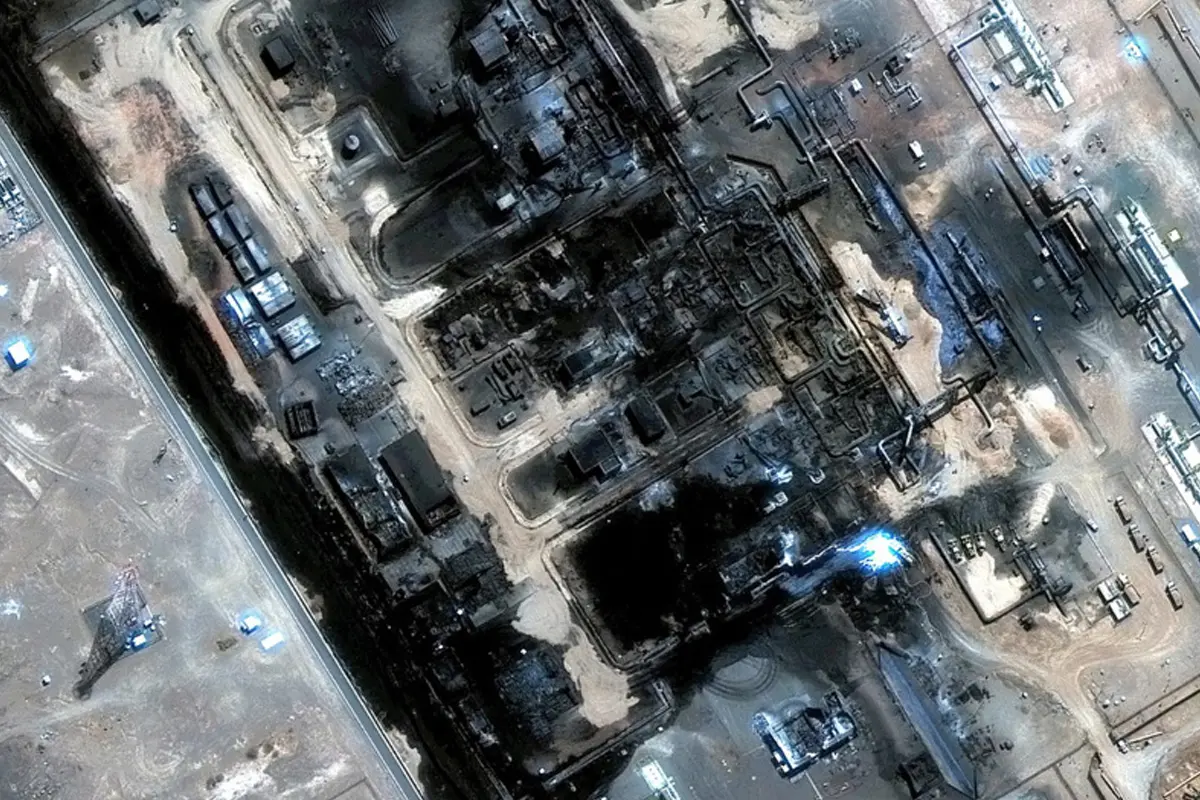
RIYADH: Satellite imagery has shown extensive damage to a key Saudi oil pipeline following reported drone strikes, raising concerns over further disruption to global crude supplies.
Images released on Sunday appeared to show a pumping station on Saudi Arabia’s 1,200-kilometre East-West pipeline badly damaged and charred after the reported attacks.
Saudi authorities have not yet disclosed the full extent of the damage or provided a timeline for restoring the pipeline.
Pipeline Critical Amid Strait of Hormuz Closure
The East-West pipeline has become increasingly important to Saudi Arabia during the past six months as the wartime closure of the Strait of Hormuz has disrupted oil flows across the region.
The pipeline has been used to redirect around 4 million barrels of crude per day to the Red Sea port of Yanbu, equivalent to approximately 4 percent of global oil supply.
With the pipeline currently out of service, concerns are mounting over Saudi Arabia’s ability to maintain exports through the Red Sea route.
Export Stocks Could Face Pressure
Three industry sources familiar with Saudi exports told The Guardian that Yanbu currently has enough oil stocks to maintain exports for only five to seven days.
A fourth source said additional stocks were available at Egypt’s Ain Sukhna and Sidi Kerir ports, but those reserves were also not at full capacity.
Industry sources warned that Saudi export stocks could eventually run out if the pipeline is not brought back into operation within days.
The East-West pipeline has a total capacity of approximately 7 million barrels per day and provides Saudi Arabia with an alternative route for transporting crude away from the Persian Gulf.
Repair Timeline Remains Uncertain
Estimates regarding the time required to repair the damaged infrastructure vary.
One Reuters source said repairs could take as long as six weeks, while another suggested the pipeline could be restored sooner and potentially resume partial pumping while repair work continues.
Saudi Arabia’s government media office and Ministry of Energy have not provided an official estimate for the restoration timeline.
Oil Prices Rise Again
The disruption has added to pressure on already-tight global oil markets.
Brent crude rose more than 3.4 percent to around $108 per barrel on Sunday, reaching its highest level since May.
US diesel prices also reached a record level on Friday, exceeding an average of $6 per gallon, according to the report.
The latest disruption comes as Saudi oil production has already declined sharply.
OPEC data showed Saudi output falling from 8.1 million barrels per day in July to 6.24 million barrels per day in August, the lowest reported level since 1990.
Regional Conflict Threatens Energy Security
Saudi Arabia’s Red Sea export infrastructure has come under increasing pressure amid the wider regional conflict.
The reported strikes have been attributed to the Yemeni Armed Forces, who have continued military operations against Saudi targets while demanding an end to Saudi military operations and the blockade against Yemen.
Any prolonged shutdown of the East-West pipeline could further tighten global oil supplies, increase pressure on energy prices and create additional uncertainty for international markets.
With the Strait of Hormuz already closed and Saudi Arabia’s alternative export route facing disruption, the security of the Kingdom’s oil infrastructure has become an increasingly important factor for global energy markets.
Catch all the World News, Breaking News Event and Trending News Updates on GTV News
Join Our Whatsapp Channel GTV Whatsapp Official Channel to get the Daily News Update & Follow us on Google News.
Must Read