Iran–US Nuclear Talks Begin in Oman Amid Rising Regional Tensions

Iran–US Nuclear Talks Begin in Oman Amid Rising Regional Tensions
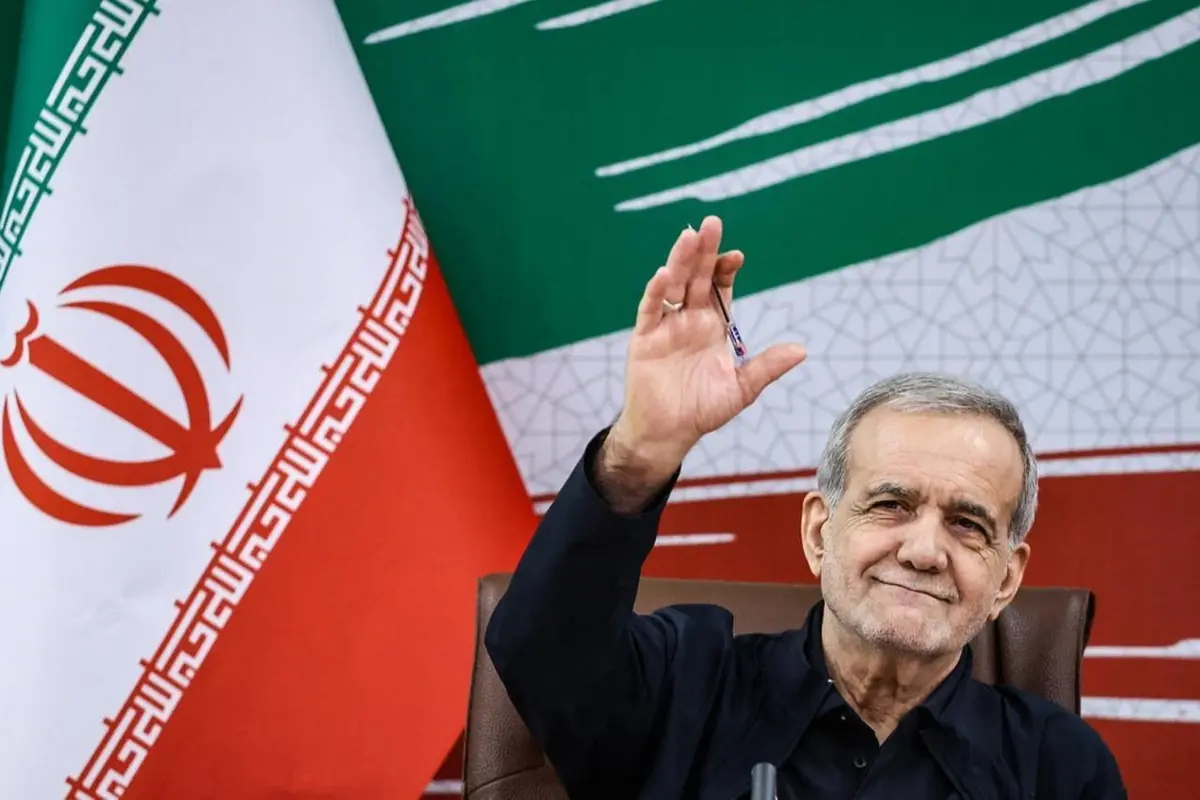
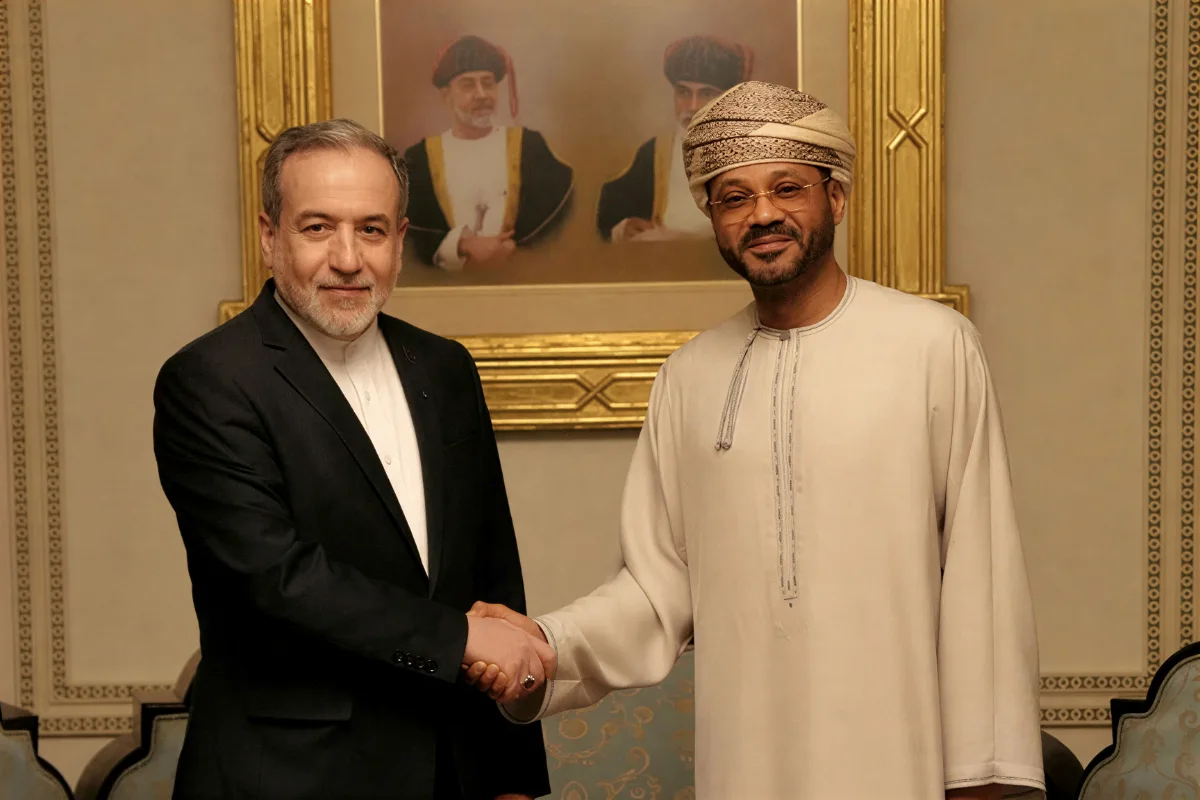
High-stakes talks between Iran and the United States began in Oman on Friday in an attempt to resolve stark disagreements over Tehran’s nuclear program. However, a dispute over expanding the agenda runs the risk of sabotaging the negotiations and sparking a new Middle East war.
US Secretary of State Marco Rubio stated on Wednesday that Washington wants to broaden the scope of the negotiations to include Iran’s ballistic missiles, support for regional armed groups, and the “treatment of their own people.” This expansion comes even though both sides have indicated a willingness to resume diplomatic discussions regarding Tehran’s long-running nuclear dispute with the West.
Conversely, Iran has stated that it wants US Middle East envoy Steve Witkoff and Foreign Minister Abbas Araqchi to focus exclusively on the nuclear issue in Muscat. Jared Kushner, son-in-law of US President Donald Trump, is also scheduled to participate in truce negotiations regarding Gaza. “Iran approaches diplomacy with a clear head and a steady recollection of the previous 12 months. We defend our rights and act in good faith. Commitments must be honored,” Araqchi stated on X on Friday.
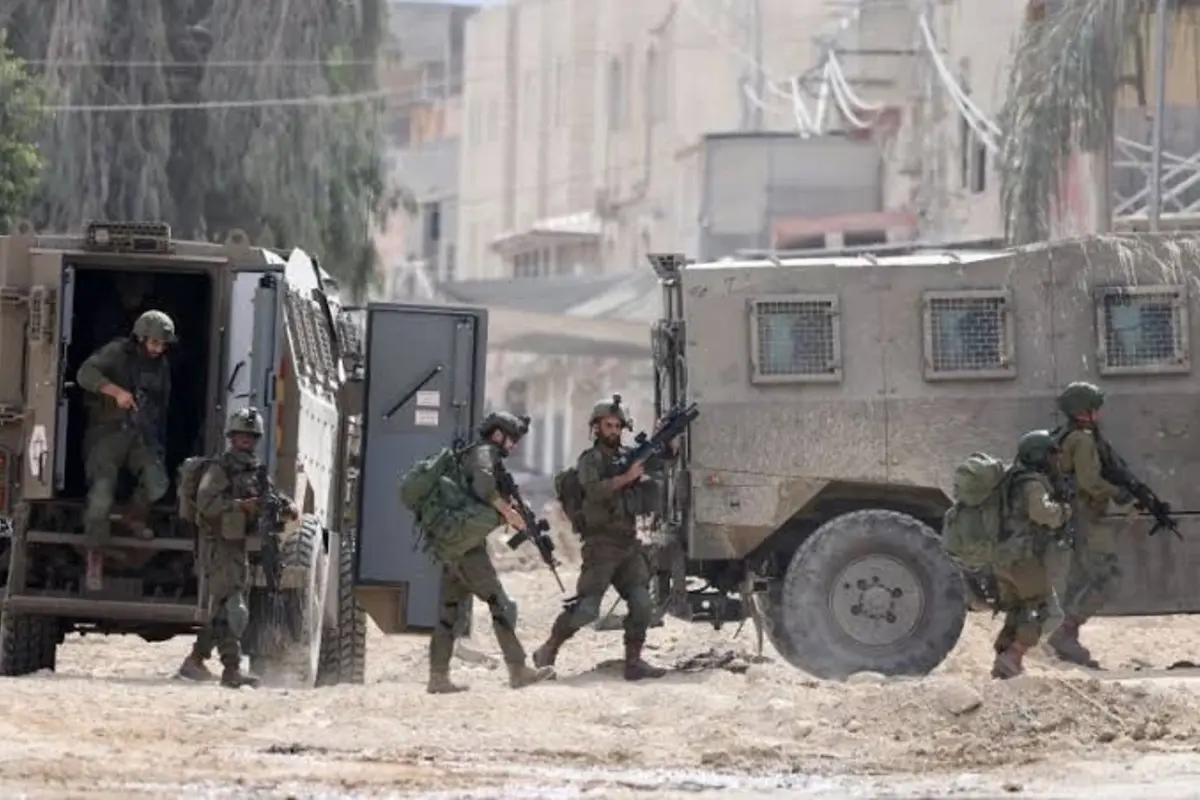
Tehran’s clerical leadership remains extremely concerned that Trump may still follow through on threats to attack Iran, particularly following a nearly realized US Navy military buildup. In June, the United States participated in the final phases of a 12-day Israeli bombing campaign by hitting Iranian nuclear targets. Since that time, Tehran has claimed it ceased its uranium enrichment efforts.
Tensions have escalated further due to the US naval buildup—which Trump has referred to as a vast “armada”—and a brutal government crackdown on widespread rallies in Iran last month. Trump has increased pressure on Tehran in a deadlock that has resulted in mutual threats of airstrikes, warning that “bad things” would likely happen if a deal cannot be reached.
Iran, which possesses one of the largest ballistic missile arsenals in the Middle East, has warned neighboring Gulf Arab nations hosting US bases that they may be targeted if they are involved in an attack. To reach an agreement and prevent further military action, negotiators in Oman must navigate Iran’s “red line” regarding its missile development. Tehran maintains there will be no discussions about its defense capabilities, including missiles and their range.
Hours before the negotiations, Iran’s state television defiantly announced that the Khorramshahr-4, one of the country’s most advanced long-range ballistic missiles, had been stationed at one of the Revolutionary Guards’ expansive underground “missile cities.”
Despite this defiance, Iranian officials told Reuters last week that Tehran is prepared to demonstrate flexibility on uranium enrichment. This includes potentially handing over 400 kg of highly enriched uranium (HEU) and accepting zero enrichment under a consortium arrangement. In exchange, Iran demands the easing of sanctions—in place since Trump withdrew from the 2015 nuclear agreement—and maintains that its right to enrich uranium for peaceful purposes is unassailable. While the United States, Israel, and European allies accuse Tehran of seeking nuclear weapons capabilities, Iran continues to assert that its program is entirely for peaceful use.
Catch all the World News, Breaking News Event and Trending News Updates on GTV News
Join Our Whatsapp Channel GTV Whatsapp Official Channel to get the Daily News Update & Follow us on Google News.
Must Read
Pakistan
Pakistan Reports 37 Militants Killed in Operations in Khyber Pakhtunkhwa and Along Afghan Border
21-September،2026