Asteroid 2024 YR4 Could Strike Moon in 2032, Scientists Warn of Potential Lunar Flash

Asteroid 2024 YR4 Could Strike Moon in 2032, Scientists Warn of Potential Lunar Flash
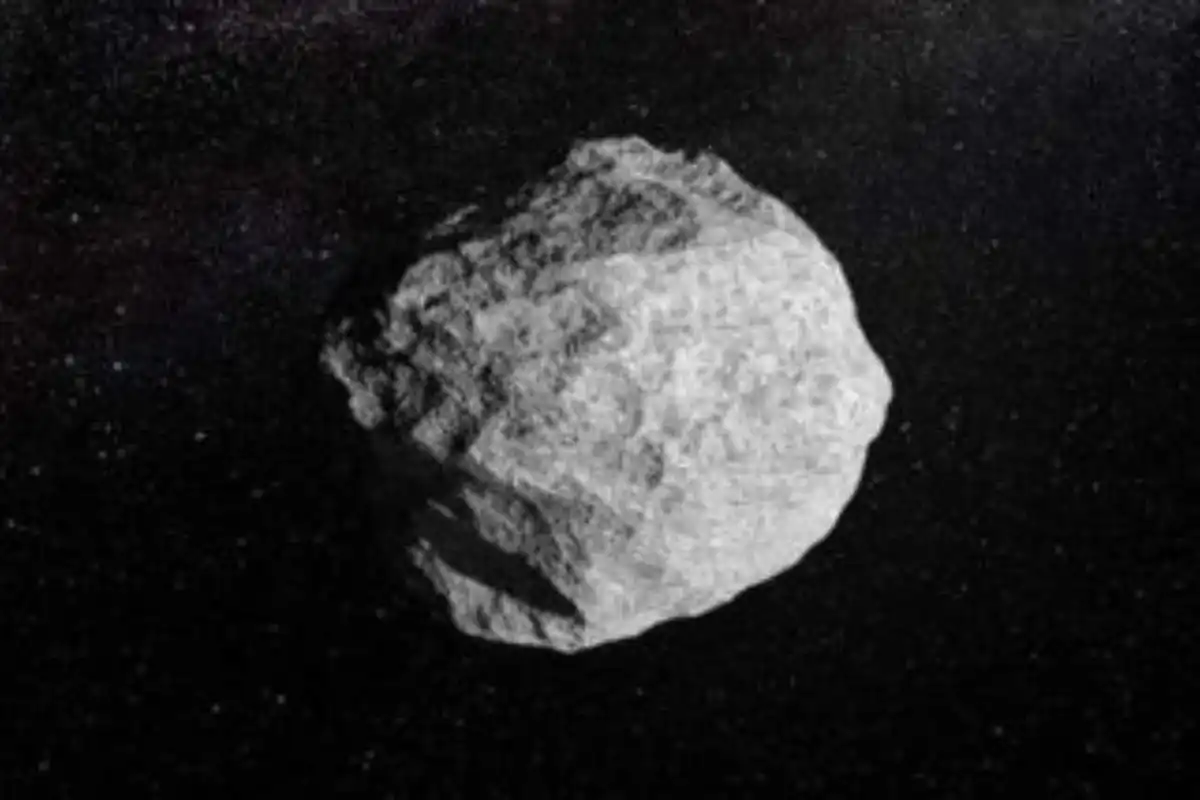
A newly discovered asteroid, designated 2024 YR4, has caught the attention of astronomers after calculations suggested it has a small but notable chance of colliding with the Moon in May 2032. Current projections from NASA and international space agencies place the likelihood of a lunar impact at around 1 in 25, or 4%. “While these odds are relatively high in astronomical terms, they are expected to shift as more tracking data becomes available over the next eight years.”
The asteroid, roughly 200 feet (60 meters) wide, was first detected in late 2024. Unlike most near-Earth objects of this size, orbital models indicate that 2024 YR4 is more likely to strike the Moon rather than Earth. Experts warn that an impact could produce a bright flash visible from Earth through small telescopes or even to the naked eye.
At 200 feet in diameter, the asteroid is comparable in size to the object that caused the 1908 Tunguska event in Siberia. Because the Moon has no atmosphere to burn incoming debris, the asteroid would hit the lunar surface at full speed, potentially creating a new crater and a significant thermal flash. “Depending on where the impact happens, specifically if it occurs on the ‘dark’ side of the Moon currently facing Earth, it could appear as a momentary, star-like spark to observers below.”
The Moon is a likely target due to the asteroid’s orbit, which brings it into a corridor where lunar gravity could pull it in. While initial concerns about an Earth impact have been largely dismissed, astronomers continue to monitor the asteroid closely. Even minor shifts caused by solar radiation or gravitational influences could change its trajectory.
NASA’s Center for Near-Earth Object Studies (CNEOS) is tracking 2024 YR4. Observations over the coming years will refine its orbit, and should a lunar impact occur, missions like NASA’s Lunar Reconnaissance Orbiter could document the formation of a crater in real time. Scientists say such an event would offer a rare opportunity to study how lunar regolith responds to high-velocity impacts, providing insights critical for future human habitats under the Artemis program.
Catch all the World News, Breaking News Event and Trending News Updates on GTV News
Join Our Whatsapp Channel GTV Whatsapp Official Channel to get the Daily News Update & Follow us on Google News.
Must Read
World
Iran Launches Missile Barrage at US Base in Jordan After Attacks on Oil Tankers
9-September،2026