
Iran-US Talks Mediated by Oman Start in Geneva to Avert War

Iran-US Talks Mediated by Oman Start in Geneva to Avert War
In a last-ditch effort to prevent conflict after the largest American military buildup in decades, Iran and the United States started indirect talks in Switzerland on Thursday.
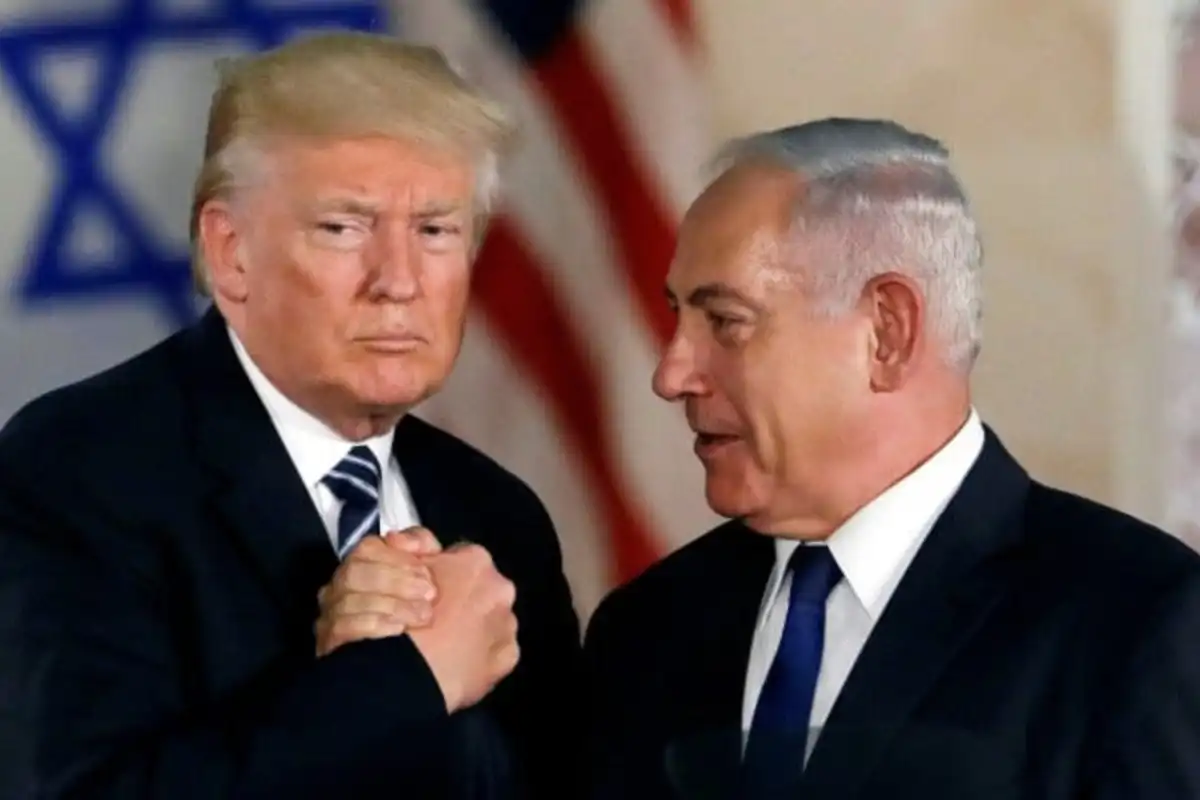
The talks, mediated by Oman, come after Donald Trump repeatedly threatened to attack Iran. Last Thursday, the US president gave Tehran 15 days to come to an agreement.
After Iranian exiles protested at their talks last week by hurling items at the Iranian motorcade, the US and Iranian delegations arrived at the Omani ambassador’s residence under strict security.
The two parties have shown “unprecedented openness to new and creative ideas and solutions,” according to Oman’s Foreign Minister Badr Al Busaidi, who subsequently confirmed that talks had started.
Prior to the negotiations, Iran’s president emphasized that the Islamic state was not “at all” looking for a nuclear weapon.
President Masoud Pezeshkian referred to Ayatollah Ali Khamenei when he remarked, “Our Supreme Leader has already stated that we will not have nuclear weapons at all.”
According to a spokesman for Iran’s foreign ministry, Rafael Grossi, the head of the UN’s nuclear program, will probably also attend the Geneva talks.
The US wants Tehran’s missile program and its alleged support for extremist organizations in the region to be curbed, but Iran has maintained that the negotiations only address its nuclear program.
The largest aircraft carrier in the world, the USS Gerald R. Ford, which was dispatched to the Mediterranean this week as part of the major US build-up, departed a naval station in Crete on Thursday, according to an AFP photographer.
The events follow large-scale protests in Iran, where the movement demanded the overthrow of the Islamic republic and rights groups claim thousands of protesters were slain.
Although Tehran has consistently maintained that its program is for civilian purposes, Trump accused Iran of “pursuing sinister nuclear ambitions” in his State of the Union speech on Tuesday.
Additionally, Trump asserted that Iran has “already developed missiles that can threaten Europe and our bases overseas, and they’re working to build missiles that will soon reach the United States of America.”
These statements were referred to as “big lies” by the Iranian foreign ministry.
Tehran has openly stated that Iran’s missiles have a maximum range of 2,000 kilometers.
However, according to the US Congressional Research Service, their maximum distance is just 3,000 kilometers, which is less than one-third of the distance to the US continent.
The same setting where then-President George W. Bush presented the case for the 2003 invasion of Iraq also hosted Trump’s State of the Union remarks in Congress.
US Secretary of State Marco Rubio called Tehran’s unwillingness to address ballistic weapons “a big, big problem” and cautioned that Iran must also negotiate on its missile program ahead of Thursday’s meeting.
The “president wants diplomatic solutions,” he added in response.
However, US Vice President JD Vance stated that the US president had the “right” to employ military force and advised Iran to take Trump’s threats “seriously.”
Vance stated on Fox News’ “America’s Newsroom” that “you can’t let the craziest and worst regime in the world have nuclear weapons.”
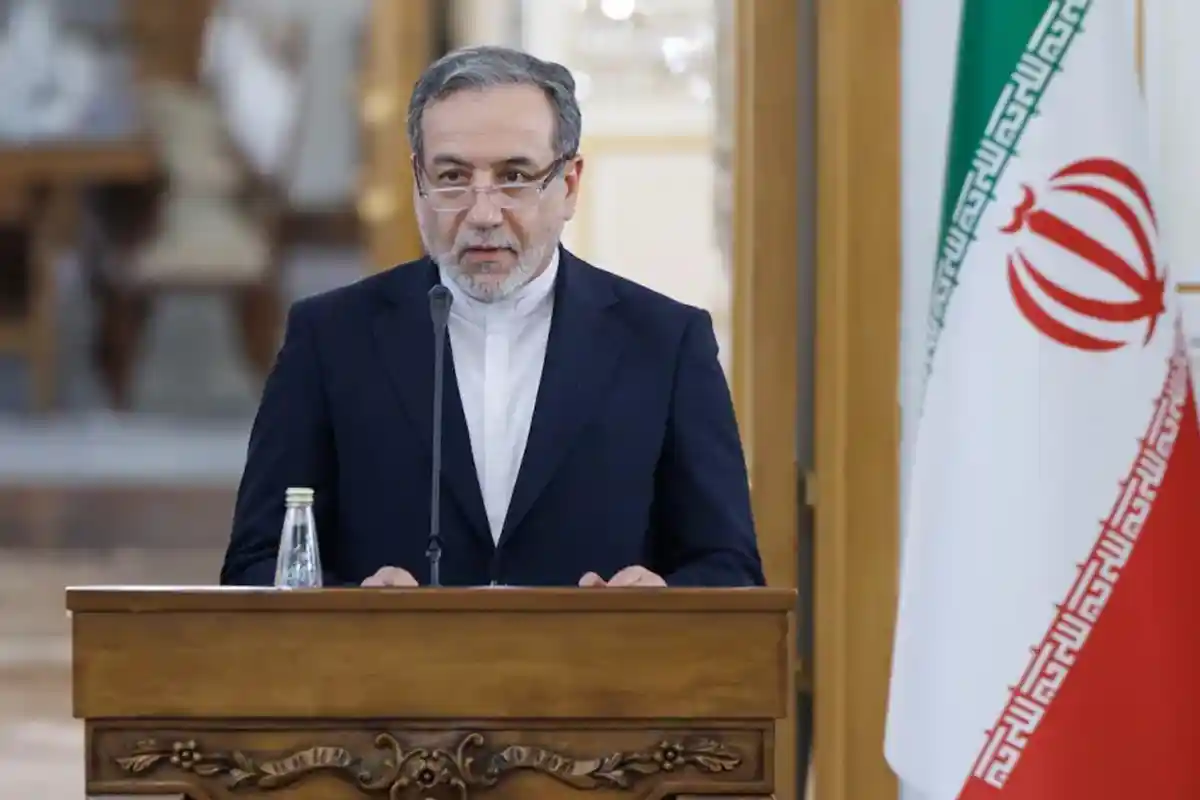
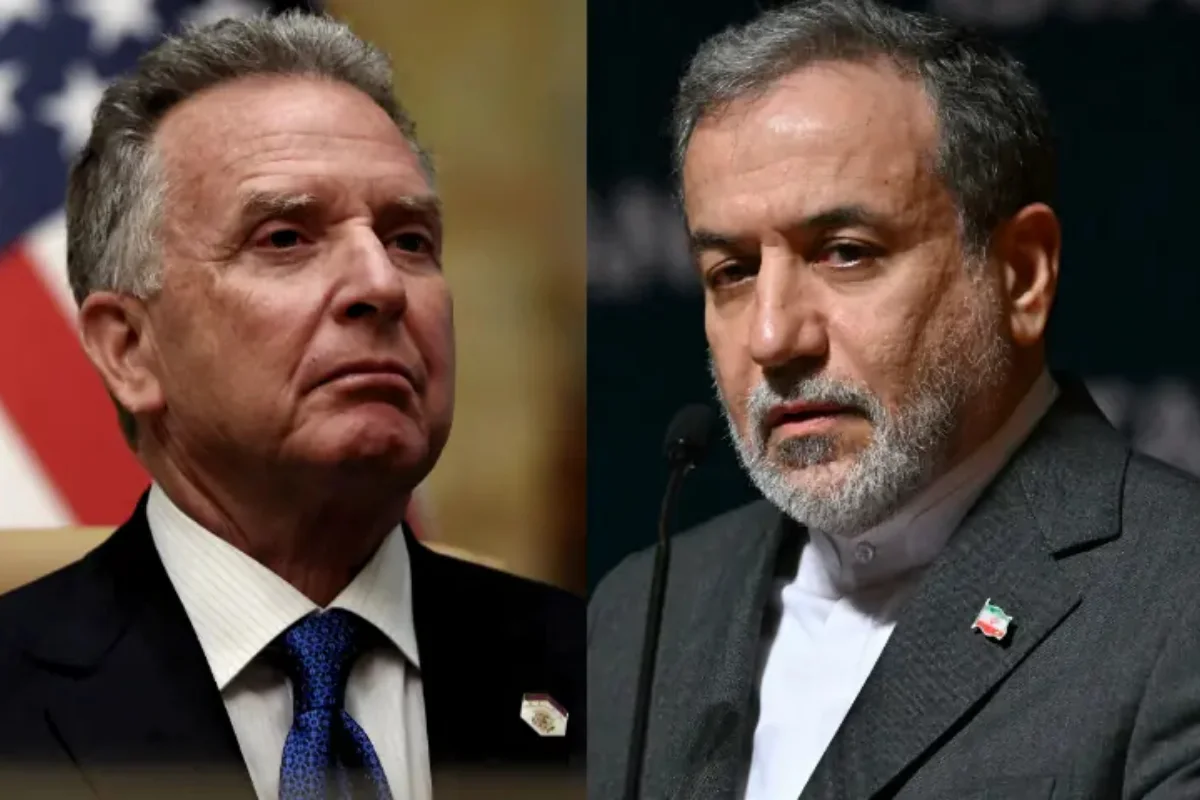
The Iranian delegation attending the negotiations is led by Foreign Minister Abbas Araghchi, who described them as “a historic opportunity” and said a settlement was “within reach.”
Envoy Steve Witkoff and Jared Kushner, who is married to Trump’s daughter Ivanka, will represent the United States.
The two nations met for a second round of negotiations in Geneva last week after holding talks in Oman earlier this month.
When Israel began surprise strikes on Iran in June of last year, a 12-day conflict that Washington briefly joined to bomb Iranian nuclear installations ended a prior attempt at negotiations.
One of the biggest problems facing the Islamic republic since its founding has been the national rallies that Tehran began suppressing in January.
Since then, demonstrations have returned to Iranian colleges.
Pesidents of Tehran who talked to AFP had differing opinions on whether the fighting would resume.
“People would suffer greatly and there would be famine.” Tayebeh, a 60-year-old homemaker, remarked, “People are suffering now, but at least with war, our fate might be clear.”
Catch all the World News, Breaking News Event and Trending News Updates on GTV News
Join Our Whatsapp Channel GTV Whatsapp Official Channel to get the Daily News Update & Follow us on Google News.
Must Read