
Iran and US Reach Ceasefire Extension Deal — Awaiting Trump’s Approval


Iran and US Reach Ceasefire Extension Deal — Awaiting Trump's Approval
The United States and Iran have reached a preliminary agreement to extend their ongoing ceasefire by 60 days and lift restrictions on commercial traffic through the Strait of Hormuz, though the deal remains unsigned and contested, multiple sources told Reuters.
Four sources familiar with the negotiations confirmed that the proposed agreement would allow ships to freely transit the strategically vital waterway while diplomats continue working through complex issues, including Iran’s nuclear program. However, U.S. President Donald Trump has not yet given his approval, and Iranian state media indicated the agreement had not been formally concluded.
Iran’s Tasnim news agency, citing a source close to the negotiating team, said the text of the agreement had not been “finalized or confirmed.”
U.S. Vice President JD Vance offered a cautiously optimistic assessment, telling reporters: “We’re not there yet, but we’re very close and we’re going to keep on working at it.” He added: “I can’t guarantee that we’re going to get there, but right now I feel pretty good about it.”
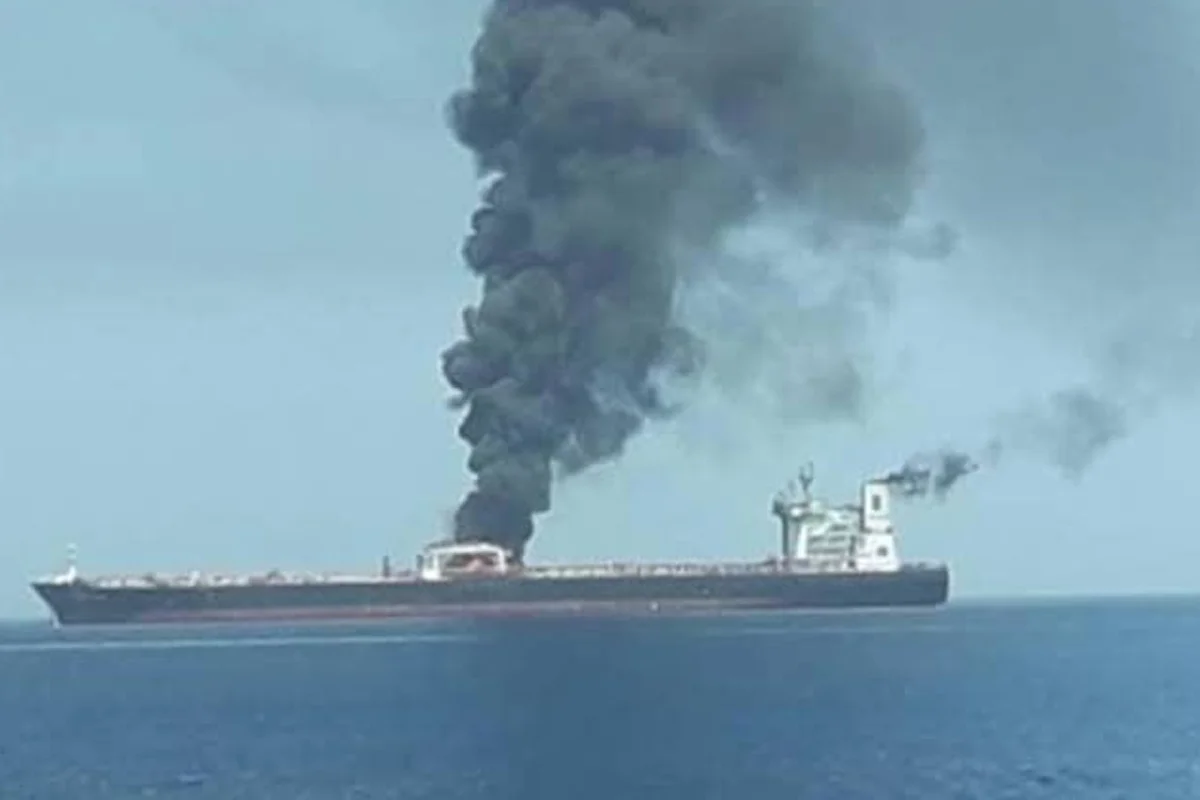
If ratified by leadership on both sides, the deal would represent the most significant diplomatic breakthrough since the conflict erupted on February 28. Under its proposed terms, Washington would also lift its naval blockade of Iranian ports and ease certain sanctions on Iranian oil exports — moves that already pushed global oil prices lower on anticipation of renewed supply flows through the strait, a corridor handling roughly one-fifth of the world’s oil and liquefied natural gas.
The announcement came amid renewed hostilities that underscored the ceasefire’s fragility. U.S. Central Command confirmed its forces had intercepted five Iranian attack drones and destroyed a ground control station in the port city of Bandar Abbas that was preparing to launch a sixth. Kuwaiti forces separately shot down a ballistic missile fired toward Kuwait, which hosts a major U.S. military base. The Islamic Revolutionary Guard Corps claimed it had struck the base responsible for the Bandar Abbas operation, warning that any repetition would provoke “a more decisive response.” Kuwait condemned the attack and called on Iran to immediately cease what it described as a serious escalation.
A U.S. official, speaking anonymously, characterized the American strikes as purely defensive and aimed at preserving the ceasefire. The official also denied Iranian state television’s claim that a U.S. aircraft had been shot down near Bushehr, calling the report false.
The renewed flare-ups — the second such incident this week — occurred during the Muslim holiday of Eid al-Adha, a period of particular sensitivity across the region where several countries remain entangled in the wider conflict.
Pakistan, acting as a mediator, announced that Foreign Minister Ishaq Dar would travel to Washington on Friday to meet U.S. Secretary of State Marco Rubio, though the specific agenda of the visit was not disclosed.
The broader diplomatic deadlock remains deep. Iran has demanded sanctions relief, the unfreezing of foreign assets, and a U.S. military withdrawal from the region. Washington, in turn, insists on the dismantlement of Iran’s nuclear program — which Tehran maintains is solely for civilian energy purposes. Iran has also linked any comprehensive peace agreement to an end of Israeli military operations in Lebanon, where Israel continues to conduct strikes against Hezbollah infrastructure, displacing hundreds of thousands of civilians. The Lebanese army reported that one of its soldiers was killed in a recent strike.
Catch all the World News, Breaking News Event and Trending News Updates on GTV News
Join Our Whatsapp Channel GTV Whatsapp Official Channel to get the Daily News Update & Follow us on Google News.
Must Read



Pakistan
Pakistan, Türkiye, Azerbaijan and Uzbekistan Hold Eternal Brotherhood-V Special Forces Exercise
30-September،2026