
PM Shehbaz Sharif to ‘visit’ Iran for Ayatollah Ali Khamenei’s funeral

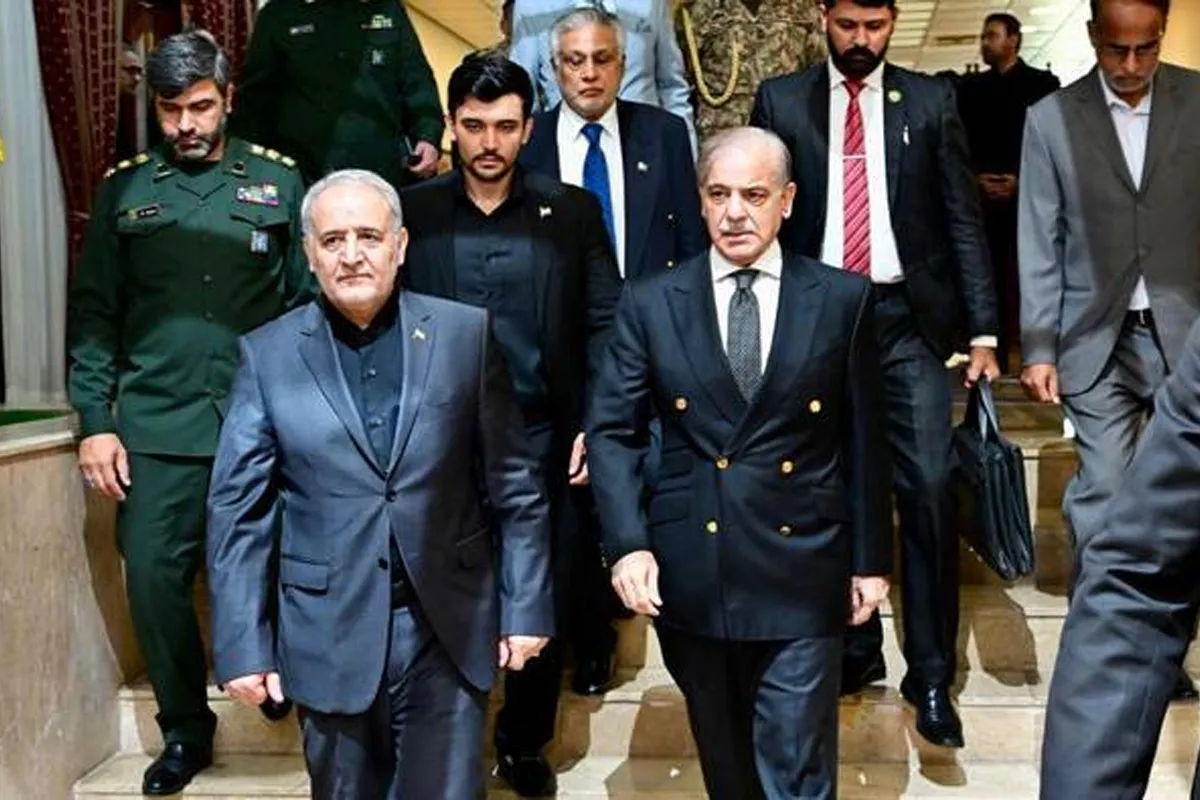
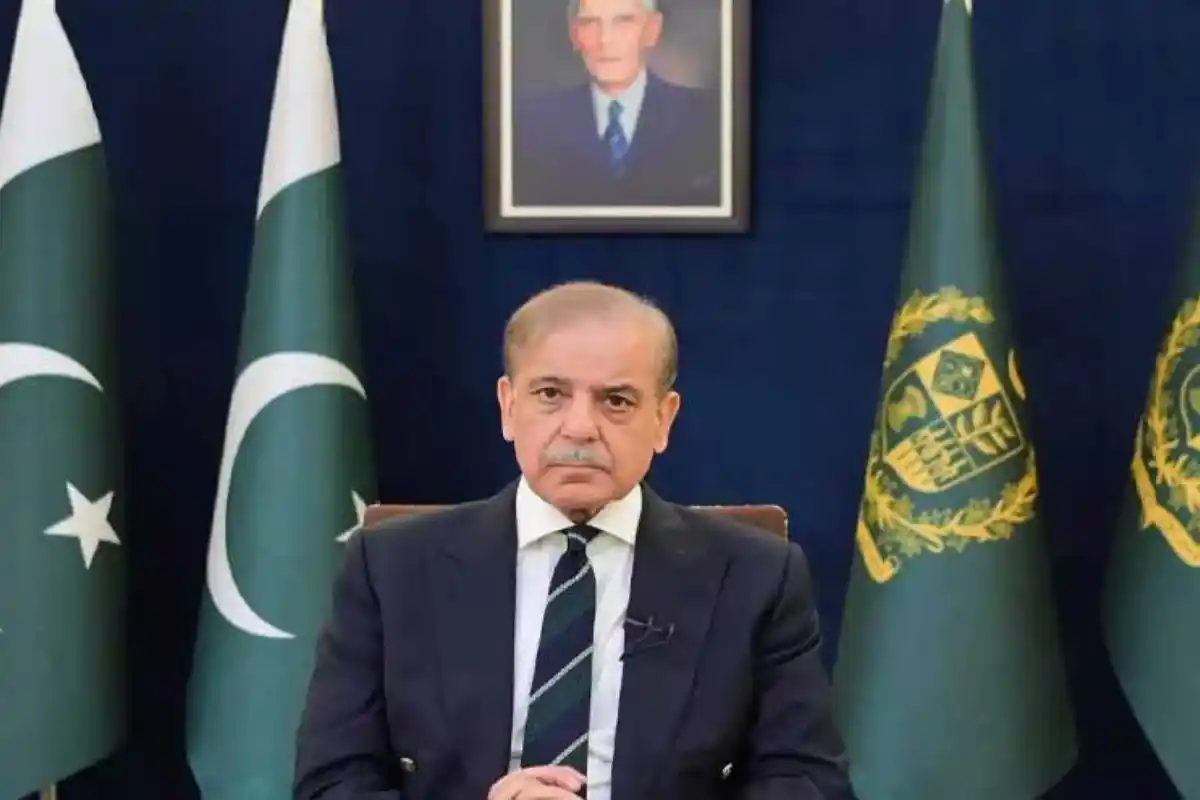
Prime Minister Shehbaz Sharif is expected to travel to Iran in early July to attend funeral ceremonies for Ayatollah Ali Khamenei, marking Pakistan’s highest-level representation at an event that will reshape Iranian succession dynamics and regional alignment patterns. The gesture signals Pakistan’s strategic investment in deepening ties with Tehran at a critical moment for Iran’s internal political transition.
Khamenei’s death on February 28 during a US-Israel military operation against Iranian leadership created an unprecedented succession crisis. His son Mojtaba has assumed the Supreme Leader position but has not made public appearances, raising international questions about regime stability and succession legitimacy. The July 9 funeral in Mashhad—following three days of Tehran ceremonies and observances in Qom—represents Iran’s opportunity to demonstrate continuity and consolidated support among regional partners.
Pakistan’s attendance carries diplomatic weight beyond ceremonial participation. Islamabad emerged as the primary mediator in the February conflict, facilitating direct talks between Washington and Tehran after decades of non-communication. That diplomatic success—culminating in April talks in Islamabad where top US and Iranian leadership met for the first time in decades—positioned Pakistan as the indispensable neutral broker in a region fractured by competing interests.
Sharif’s funeral attendance reinforces this mediating role while acknowledging Iran’s regional significance. Pakistan benefits substantially from improved Iran relations: reduced border tensions, enhanced trade potential, and positioning as the architect of regional de-escalation. For Tehran, Pakistan’s senior representation signals that regional powers view the succession transition as stable and the government as legitimate—a critical messaging point during potentially vulnerable leadership transition periods.
The succession itself remains opaque. Mojtaba’s reported injuries and absence from public view generate speculation about his capacity to exercise authority. Khamenei’s relatively sudden death eliminated presumed transition planning time, forcing Iran’s clerical establishment to consolidate around his designated successor immediately. Funeral ceremonies traditionally serve as reassurance mechanisms—demonstrating that established power structures remain intact despite leadership change.
Sharif’s planned follow-up visit to Turkey reflects Pakistan’s broader regional balancing strategy. Turkey supported Pakistan-mediated ceasefire efforts, making it a logical diplomatic stop that reinforces multilateral coordination. This sequencing—Iran first for succession politics, then Turkey for alliance confirmation—demonstrates calculated diplomatic choreography designed to preserve Pakistan’s mediating position.
The broader context matters. Pakistan’s economic interests depend substantially on regional stability. The February conflict disrupted energy supplies, threatened Strait of Hormuz commerce, and created security risks across South Asia. Successful mediation that reduced US-Iran hostilities directly benefited Pakistani interests while establishing Islamabad as a consequential regional actor rather than a peripheral observer.
Iran’s receptiveness to Pakistani diplomatic engagement reflects Tehran’s awareness that regional legitimacy requires external validation. Attending funerals constitutes soft power projection—demonstrating that respected international actors acknowledge regime continuity despite internal transition. Pakistan’s presence serves this function while advancing its own strategic interests.
The succession outcome will determine Pakistan’s continued relevance. If Mojtaba consolidates power and continues pragmatic engagement with regional neighbors, Pakistani mediation gains lasting value. If Iran’s clerical factions fragment or pursue more confrontational policies, Pakistan’s influence diminishes correspondingly.
Sharif’s attendance represents not ceremonial respect but strategic positioning—confirming Pakistan’s investment in Iran stability while signaling confidence in Tehran’s internal transition management.
Catch all the Pakistan News, Breaking News Event and Trending News Updates on GTV News
Join Our Whatsapp Channel GTV Whatsapp Official Channel to get the Daily News Update & Follow us on Google News.
Must Read