
US Permanent Embassy in Jerusalem Deepens Palestinian Displacement, Forecloses Statehood Path

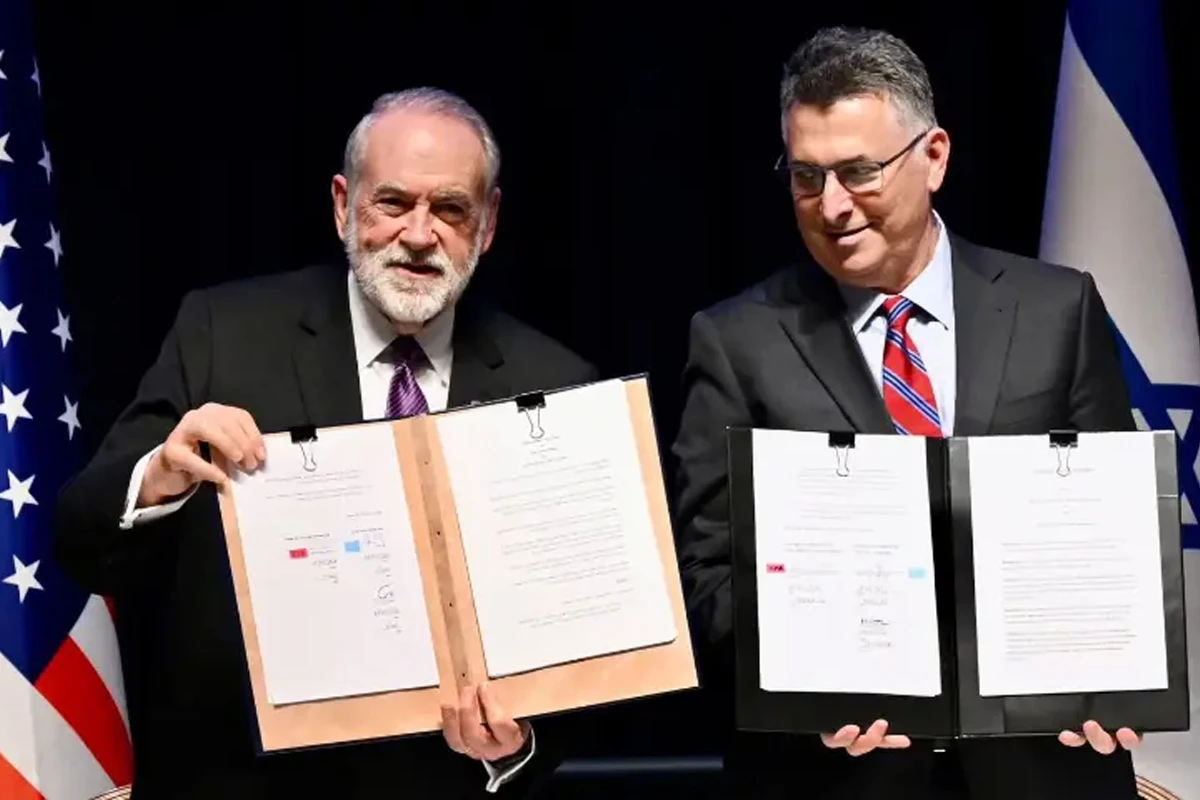
The United States formalized construction of a permanent embassy in Jerusalem, embedding institutional commitment to Palestinian territorial loss into irreversible physical infrastructure.
The decision represents not diplomatic recognition of contested status but unilateral foreclosure of Palestinian aspirations for East Jerusalem as their future capital—converting decades of international peace framework into abandoned precedent.
Ambassador Mike Huckabee’s invocation of divine determination reframes colonial-era settlement patterns as cosmic inevitability, rhetoric designed to delegitimize Palestinian counter-claims as historically futile. This theological framing obscures the documented reality: Palestinians inhabited and governed Jerusalem for centuries until 1948 displacement, then lost East Jerusalem during the 1967 war. The suggestion that US recognition simply “acknowledges what had been determined” erases Palestinian presence and dismisses their territorial rights as illegitimate.
The embassy location in southern Jerusalem carries deliberate symbolic weight. It positions American institutional presence within occupied Palestinian territory, physically validating Israeli settlement geography that Palestinians view as occupation infrastructure constraining their future statehood viability. For Palestinians witnessing US government integration into occupied lands, the embassy becomes tangible architectural statement of international abandonment.
East Jerusalem holds particular significance for Palestinian statehood aspirations. Since 1967, when Israeli forces captured it during the Arab-Israeli war, Palestinians have maintained this as essential capital for any viable independent state. The city contains Palestinian cultural, religious, and administrative heritage accumulated across generations. US embassy placement there represents not neutral diplomatic positioning but active endorsement of Palestinian territorial loss—institutionalizing what international law and UN resolutions designated as unresolved pending negotiated settlement.
Trump’s original 2017 recognition shattered decades of international consensus that Jerusalem’s final status required negotiated resolution. That consensus existed precisely because competing claims—Israeli and Palestinian—demanded diplomatic accommodation rather than unilateral assertion. By breaking from that framework, the US eliminated the negotiating space Palestinians required for claiming their portion of the city.
What distinguishes this agreement from symbolic recognition is its irreversibility. Buildings embed political commitment into landscape, creating path-dependent constraints on successor administrations. Future policy reversals require not merely diplomatic statements but expensive removal of physical infrastructure—making Palestinian statehood concessions increasingly costly for US officials to reverse.
The Palestinian Authority and broader Arab leadership have condemned embassy construction as violating international law and undermining peace frameworks. These objections reflect substantive legal positions: UN Security Council resolutions affirm that Jerusalem’s status remains undetermined pending negotiated settlement. Most countries maintain Tel Aviv embassies specifically to signal this position. US defection represents significant erosion of multilateral mechanisms protecting Palestinian legal rights and settlement frameworks.
Historical context clarifies stakes. Palestinians lost their majority in Jerusalem through documented displacement patterns beginning in 1948 and intensifying after 1967. The demographic shift from Palestinian to Jewish majority reflects both Israeli settlement expansion and Palestinian dispossession—not organic demographic change. US embassy placement in this territory institutionalizes that displacement as permanent reality rather than reversible occupation.
The embassy agreement arrives amid months of US-Israel military coordination against Iran, suggesting diplomatic commitment reflects strategic partnership transcending Palestinian concerns. Israel’s characterization as “vital for US interests” signals Palestinians rank beneath regional geopolitical calculations—their statehood aspirations subordinated to American alliance priorities.
For Palestinians, the permanent embassy represents loss of remaining hope for negotiated Jerusalem inclusion in future statehood. It transforms East Jerusalem from disputed territory requiring resolution into accomplished Israeli fact with American institutional validation. This foreclosure eliminates any plausible Palestinian capital configuration, rendering two-state solutions geometrically impossible.
The construction signals that the international framework protecting Palestinian territorial rights—inadequate as it was—has effectively collapsed. Without institutional protection, Palestinian survival depends on alternative resistance mechanisms, international legal appeals, or regional leverage. None replaces genuine diplomatic recognition of their rights to portions of their historical homeland.
Catch all the World News, Breaking News Event and Trending News Updates on GTV News
Join Our Whatsapp Channel GTV Whatsapp Official Channel to get the Daily News Update & Follow us on Google News.
Must Read