
US War Machine Faces $37.5 Billion Blow in Ongoing Conflict With Iran

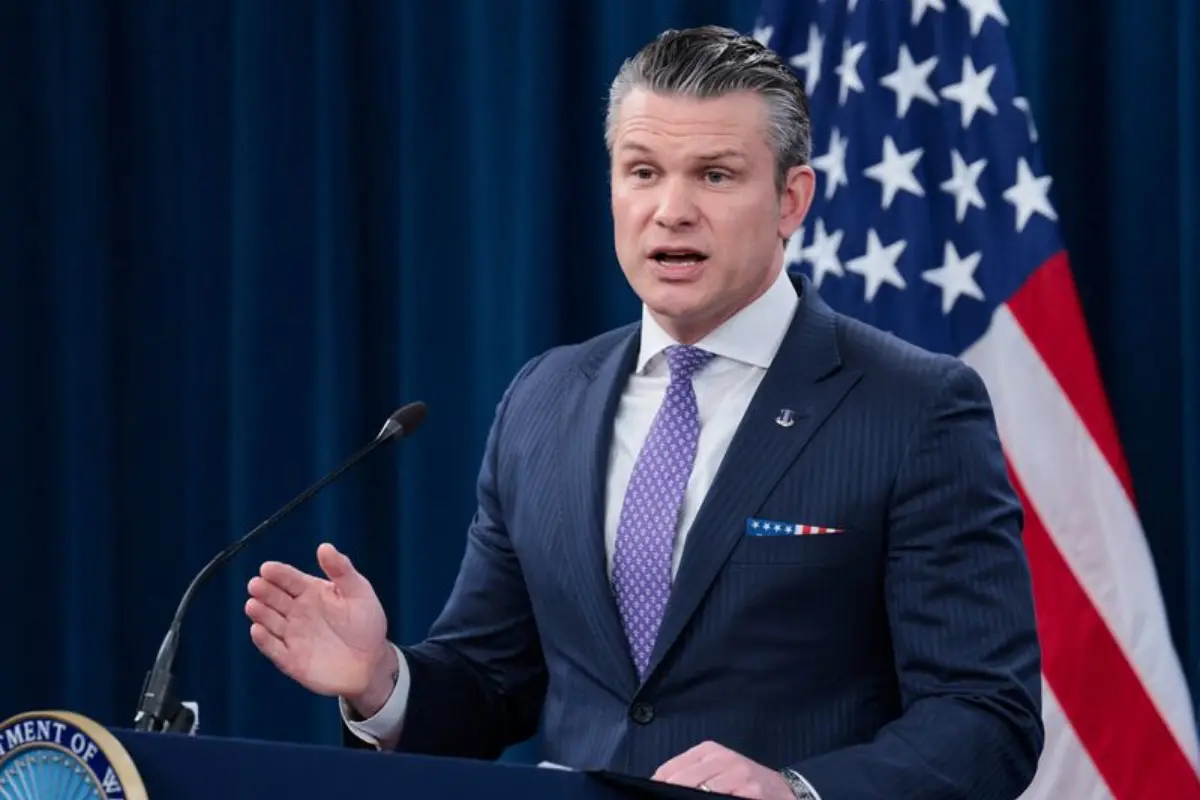
US wants deal with Iran but will step up attacks if talks fail: Hegseth
US Defense Secretary Pete Hegseth told the Senate Appropriations Committee Tuesday that the US-Israel war on Iran has cost $37.5 billion so far, providing the latest official price tag as lawmakers scrutinized a $1.5 trillion defense budget request that includes nearly $70 billion tied to the conflict.
Hegseth confirmed the figure under questioning from Democratic Senator Dick Durbin, noting it includes some operations and maintenance costs extending through the end of September, though he offered no further breakdown.
The figure marks roughly an $8 billion increase from the $29 billion estimate the administration released in May, reflecting the conflict’s continued escalation. It also sits well below independent estimates: Moody’s Analytics has put the broader domestic cost of the war, including higher US energy prices and other knock-on economic effects, as high as $150 billion — a gap suggesting the Pentagon’s figure captures direct military spending rather than the wider economic toll on American consumers.
Hegseth appeared before the committee as fighting entered its tenth consecutive night, following the collapse last week of a memorandum of understanding that had paused attacks since June 17. President Trump said Monday that Iran would “pay” after two more US soldiers were killed over the weekend, and has escalated his rhetoric further in recent days, threatening to target Iranian energy plants and bridges, send ground forces to seize Kharg Island, and bomb a deep underground nuclear-linked site known as Pickaxe Mountain.
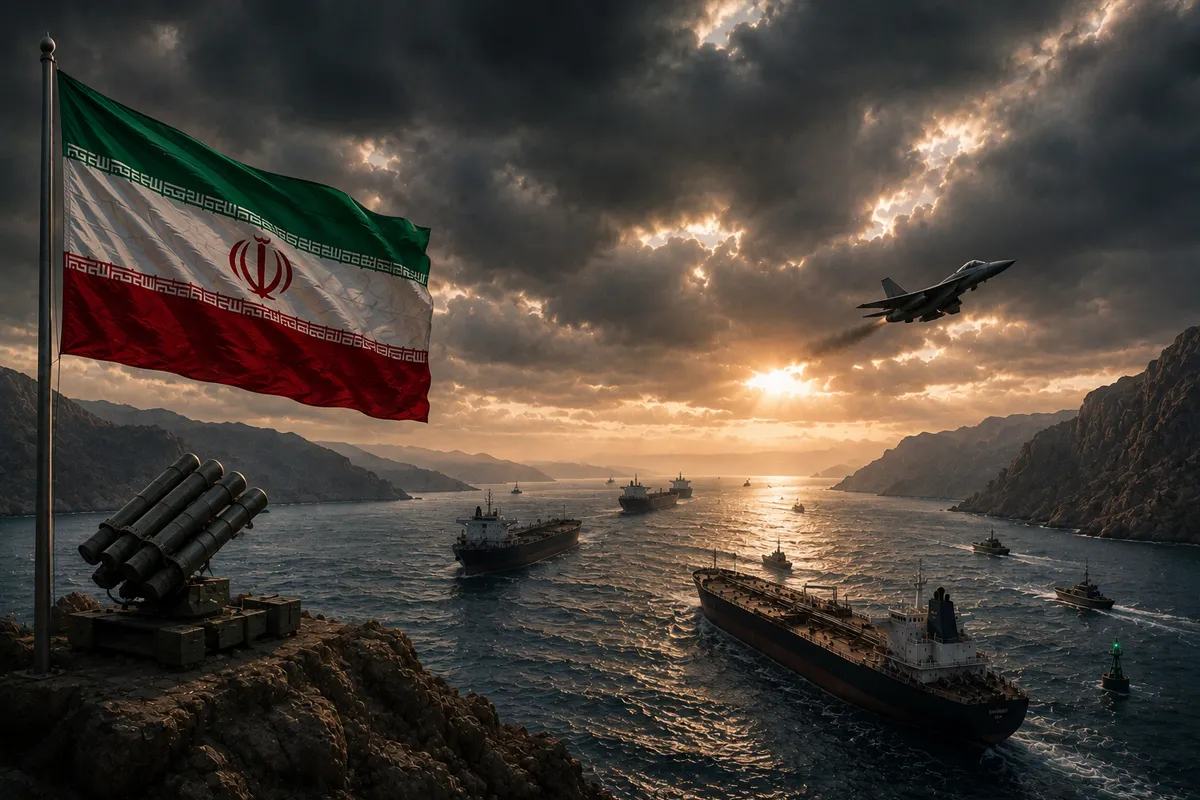
US strikes have concentrated on sites Iran uses to assert control over the Strait of Hormuz — its central point of leverage in the conflict — while Iran has pledged continued strikes on American assets regionally. The latest round set desalination and power plants ablaze in Kuwait and hit additional sites in Bahrain and Jordan, while Yemen’s Houthi movement, a close Iranian ally, has separately declared a naval blockade against Saudi Arabia, widening the conflict’s geographic scope considerably.
Hegseth also flagged strain on US weapons stockpiles from the war, which began February 28, telling lawmakers funding was needed to expand production lines and accelerate delivery of high-demand munitions including solid rocket motors, JDAMs, hypersonics, and counter-drone systems. He warned that future training would need to be curtailed without urgent budget approval, tying the request directly to the current congressional budget cycle timeline.
The broader spending request drew pointed skepticism from Democratic Senator Patty Murray, who questioned its inclusion of unrelated items — National Guard deployment in Washington, DC, Caribbean counter-narcotics operations, and border military patrols — alongside war funding, telling Hegseth bluntly that the request doesn’t make a lot of sense as structured.
The rising cost estimate, now climbing for a second consecutive Pentagon disclosure, suggests the war’s financial burden is compounding as the conflict continues expanding into new fronts, from Gulf shipping to third-country strikes, with no clear indication from either side’s rhetoric that a near-term resolution is likely.
Catch all the World News, Breaking News Event and Trending News Updates on GTV News
Join Our Whatsapp Channel GTV Whatsapp Official Channel to get the Daily News Update & Follow us on Google News.
Must Read


Trending
J7 Group chairman urges overseas Pakistanis to invest in Pakistan’s modern tax-free zones
23-September،2026