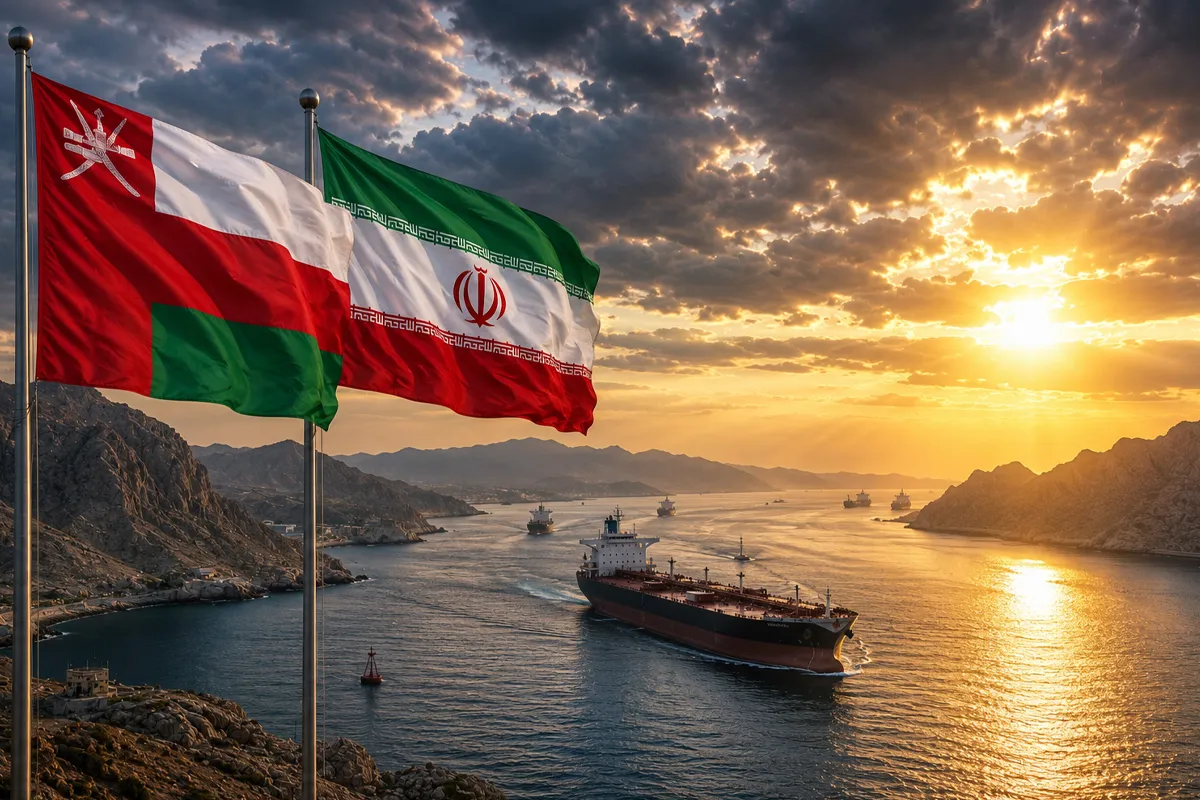
Iran has rejected Oman’s proposal for managing shipping traffic through the Strait of Hormuz, instead demanding control over a portion of the maritime route located within Omani territorial waters.
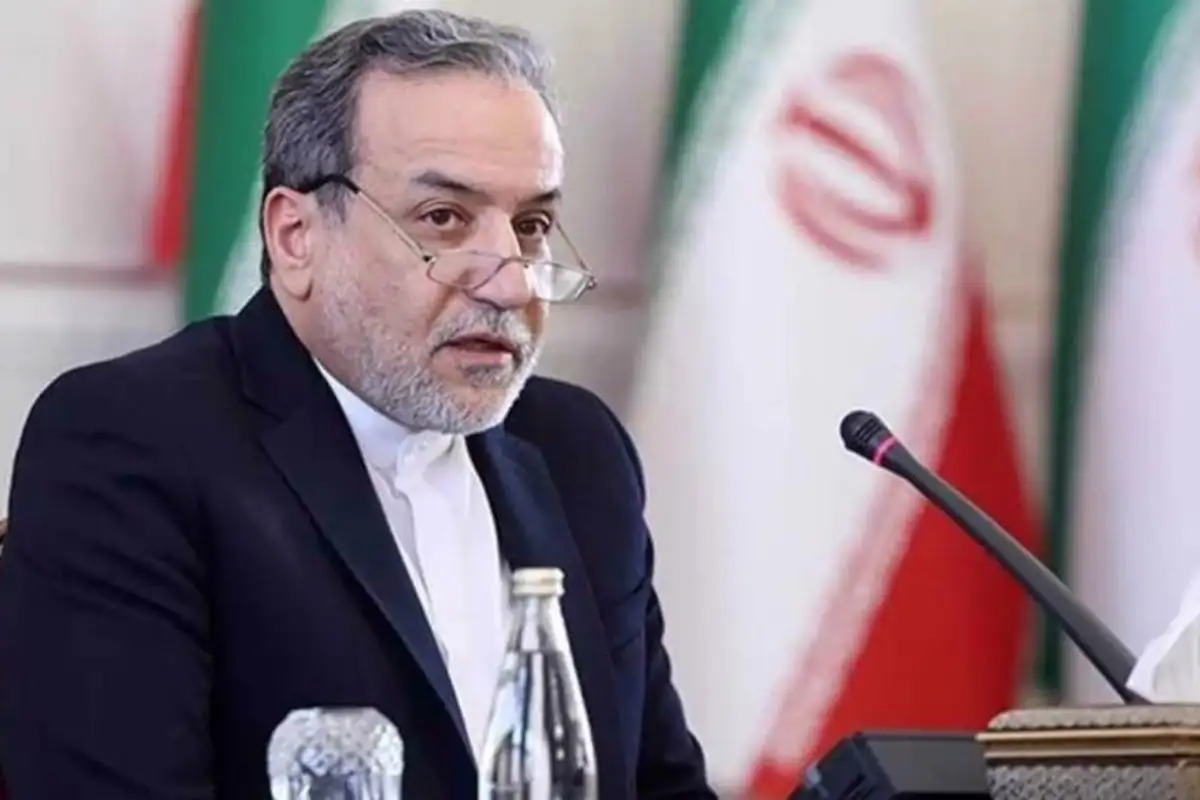
Iranian Deputy Foreign Minister Kazem Gharibabadi told state television that Oman had proposed splitting the strait’s shipping route equally between the two countries, with 50% falling under Iranian waters and 50% under Omani waters.
Under Oman’s plan, vessels would enter through Iranian waters and then pass through Omani waters. Gharibabadi said Iran agrees it should administer the portion of the route within its own waters, but is additionally demanding control over part of the route located in Omani waters as well — a demand that goes considerably further than simply managing its own territorial section, effectively asking Oman to cede administrative authority over part of its own sovereign waters.
Gharibabadi said that if Oman does not accept Iran’s proposal, the Strait of Hormuz will remain closed — a direct ultimatum linking the strait’s reopening to Oman accepting an arrangement that would grant Iran authority extending beyond its own maritime boundary.
This rejection extends a consistent pattern in Iran’s recent negotiating posture. Gharibabadi separately disclosed that Iran had rejected US proposals in the Islamabad-brokered talks over what it called unreasonable demands, and now Iran has similarly declined this more incremental Omani compromise — suggesting Tehran is holding firm on maximalist positions regarding Hormuz control across every mediation channel attempted so far, rather than accepting partial or shared administrative arrangements.
The demand for authority over Omani waters raises the stakes of this particular negotiation considerably beyond the earlier disputes over ceasefire terms or interim shipping arrangements. Unlike the rejected US and earlier Omani compromise proposals, which involved disagreements over sequencing and conditions, this latest position involves Iran seeking jurisdiction extending into another sovereign nation’s territorial waters — a demand with significant implications for international maritime law and Gulf state sovereignty more broadly, well beyond the immediate US-Iran conflict.
Oman has historically maintained a delicate diplomatic balance in the region, serving as a trusted mediator between Iran, Gulf Arab states, and Western powers precisely because of its perceived neutrality and respect for territorial boundaries. A demand from Iran to control part of Oman’s own waters could complicate Muscat’s ability to continue playing that mediating role, since accepting such a proposal would set a precedent affecting its own sovereignty, while rejecting it — as appears to be the resulting outcome given Iran’s stated position — leaves the strait’s closure unresolved.
With the Strait of Hormuz’s continued closure now explicitly tied to a territorial demand that goes beyond Iran’s own waters, the practical path to reopening the waterway appears to have narrowed further. Whether Oman offers a revised proposal, whether other regional or international parties intervene given the strait’s critical importance to global oil and gas shipments, or whether this impasse persists indefinitely will likely shape both the immediate shipping situation in the Gulf and the broader trajectory of the wider conflict’s diplomatic track.