
Iran-Pakistan Relations Set for Major Boost as Pezeshkian Offers Wider Cooperation

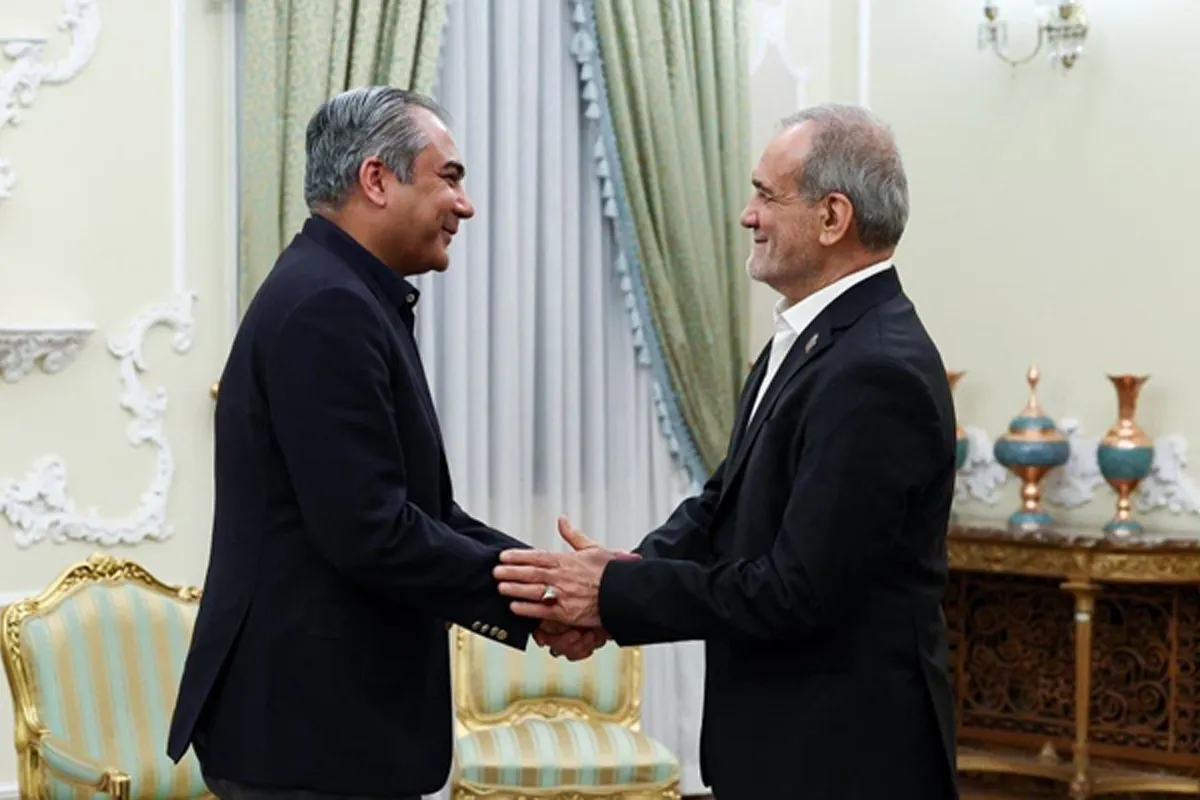
Iranian President Masoud Pezeshkian told Pakistan’s interior minister this week that Tehran is ready to deepen security cooperation with Islamabad, framing stronger bilateral ties as a direct contributor to regional stability rather than a courtesy exchange between neighbors.
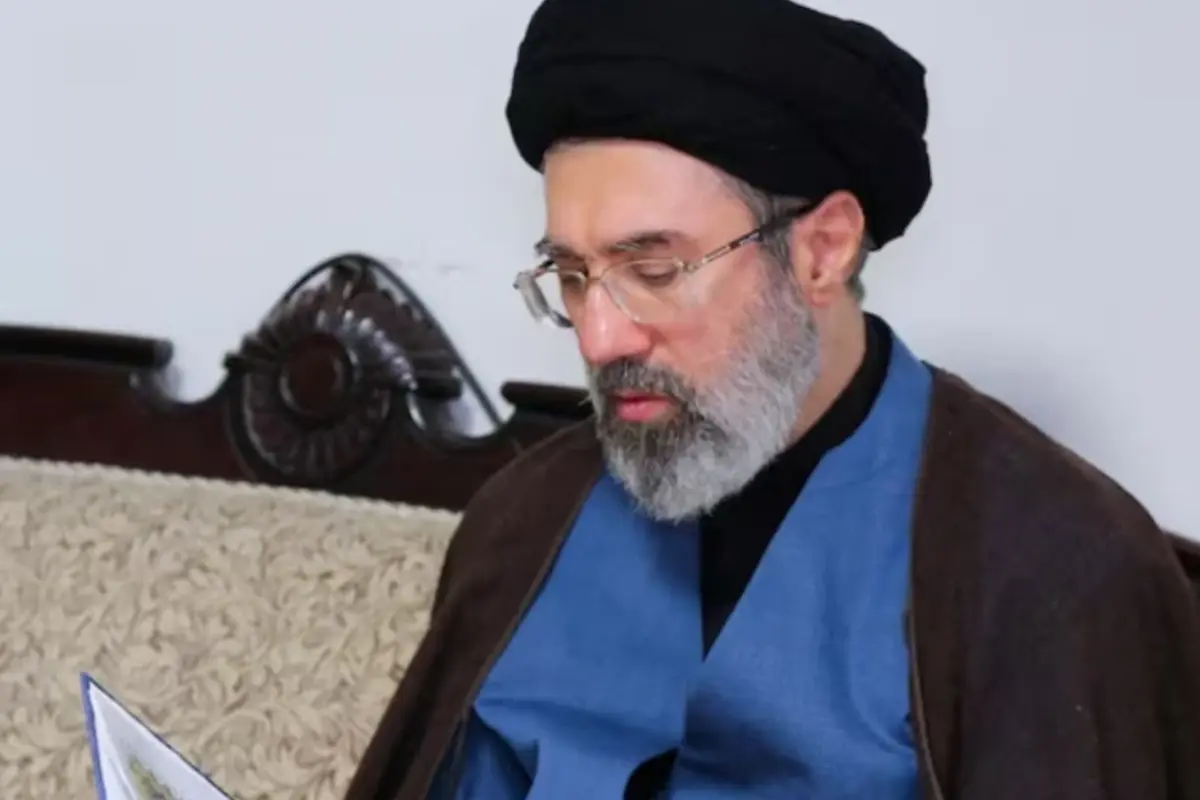
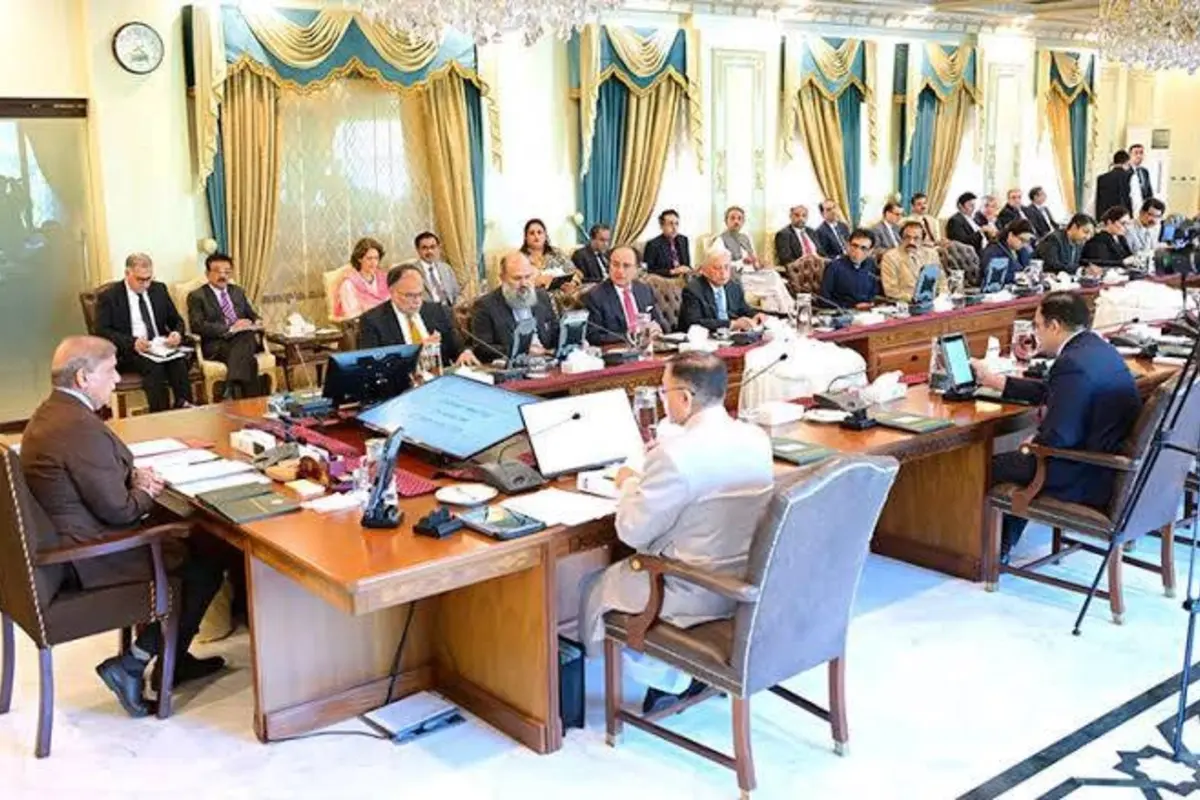
Pezeshkian made the remarks after meeting Mohsin Naqvi in Tehran, where the Pakistani delegation also included talks with Foreign Minister Abbas Araghchi and Naqvi’s Iranian counterpart, Eskandar Momeni. The Iranian president said Tehran wants to expand relations with Islamabad across political, economic, trade, cultural and security fields, and specifically praised what he called the warmth shown by Prime Minister Shehbaz Sharif and other Pakistani officials toward strengthening ties. Naqvi, for his part, described the Iran-Pakistan relationship as strong and unbreakable, saying Islamabad is pursuing comprehensive engagement with serious intent.
What the readout doesn’t fully convey is how often this exact meeting has now happened. This is at least the third time this year Naqvi has sat down directly with Pezeshkian in Tehran, following visits in May and June, plus a reciprocal trip by Momeni to Islamabad in July carrying a personal message from the Iranian president. That cadence — Pakistan’s interior minister rather than its foreign minister serving as the primary interlocutor — reflects Islamabad’s practice of running security-track diplomacy with Tehran through Naqvi specifically, separate from the parallel political-track mediation Pakistan has been running between Iran and the United States.
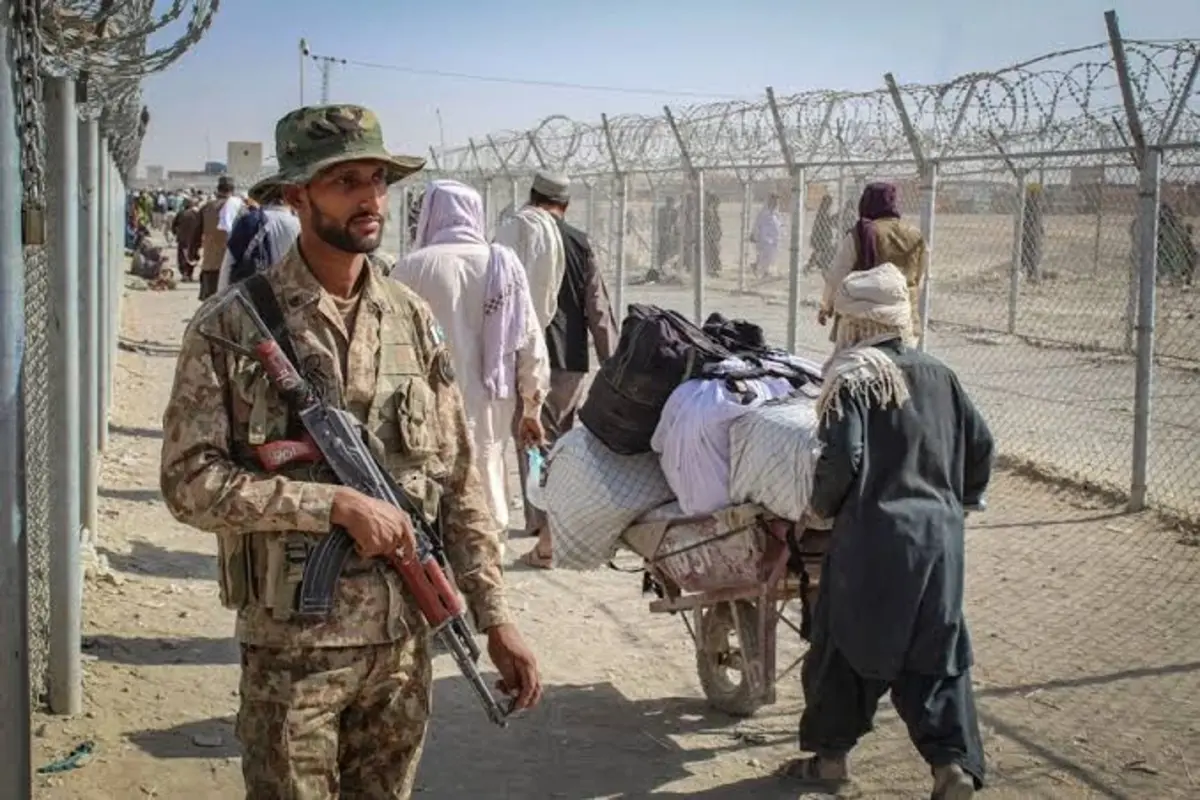
The security framing matters given what’s actually driving the relationship right now. Pezeshkian’s praise for Pakistan echoes language he’s used before, crediting Islamabad — alongside Afghanistan and Iraq — for keeping its territory from being used as a staging ground for operations against Iran, a concern that sits close to the surface given the unresolved state of the US-Iran conflict and the fragile ceasefire Pakistan itself helped broker. Naqvi’s meetings this week continue that pattern: security and border cooperation are the substance, even when the language on both sides leans toward economic and cultural partnership.
The backdrop is a regional order still working out its footing after months of conflict. With the US-Iran ceasefire showing strain and Pakistan simultaneously trying to hold together its mediating role between Washington and Tehran, repeated high-level contact with Iran’s leadership isn’t just symbolic — it’s Islamabad keeping its most sensitive regional relationship stable while it manages a much more difficult one elsewhere.
Whether this round of pledges produces anything beyond another Tehran meeting will likely depend less on the rhetoric exchanged this week than on how the broader US-Iran track holds up in the coming weeks — the variable neither government fully controls.
Catch all the Pakistan News, Breaking News Event and Trending News Updates on GTV News
Join Our Whatsapp Channel GTV Whatsapp Official Channel to get the Daily News Update & Follow us on Google News.
Must Read