
Qalibaf Frames Sunni-Shia Unity as Iran’s Wartime Asset

Qalibaf says Trump deleted Hormuz tweet after mediators’ request
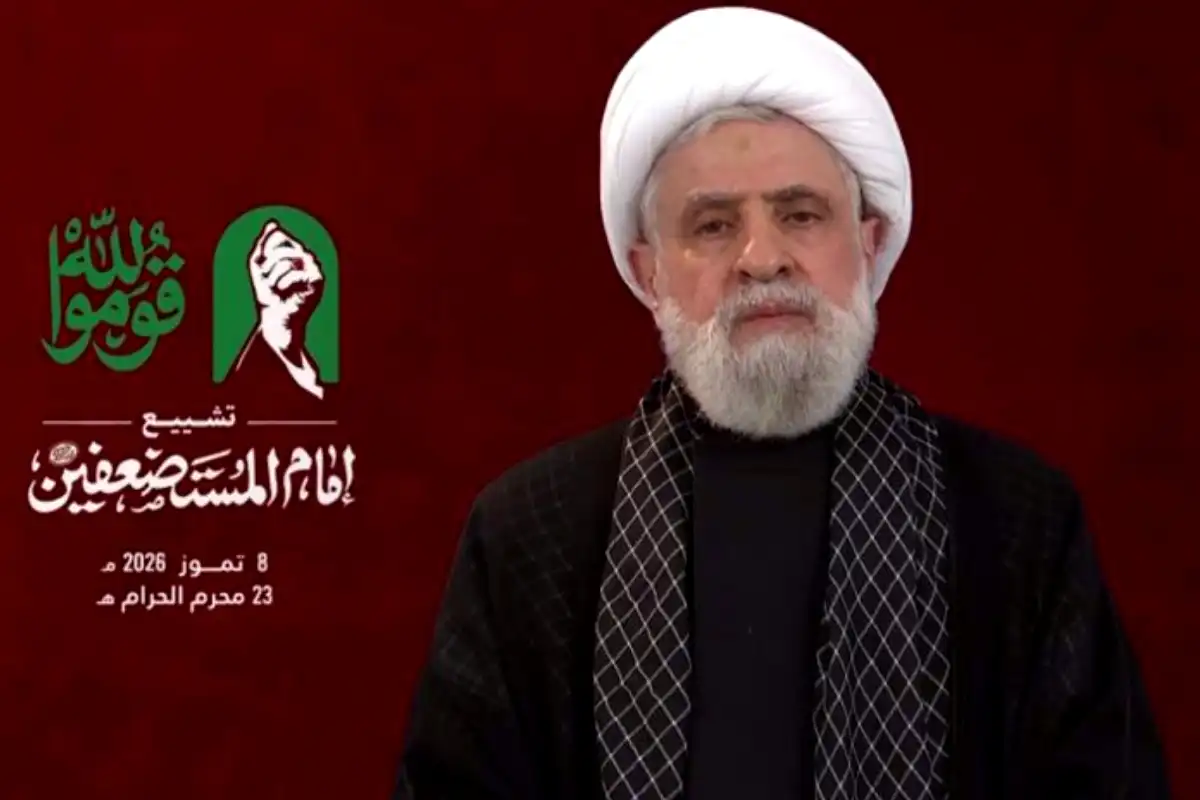
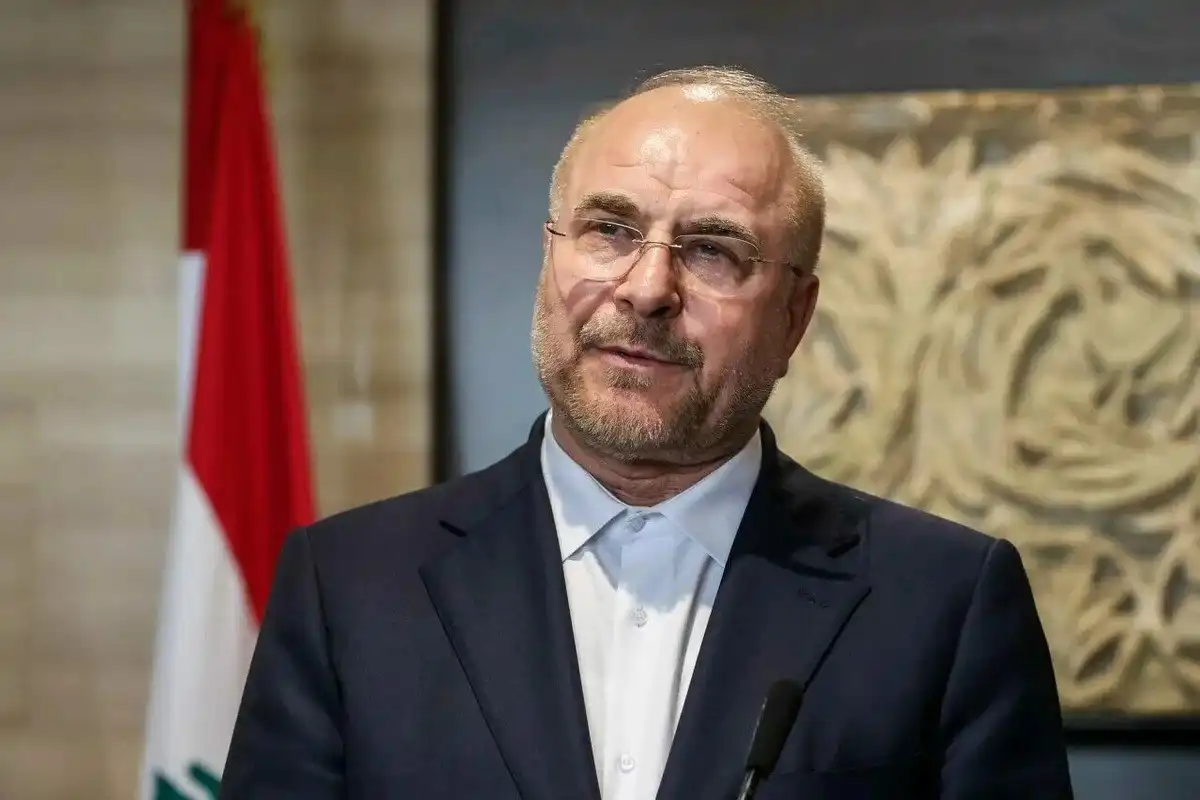
Mohammad Bagher Ghalibaf’s message this week arrived on a specific occasion your average wire summary tends to drop: Islamic Unity Week, the annual commemoration marking the range of dates Sunni and Shia traditions cite for the Prophet Muhammad’s birthday — a calendar peg Iran has used for decades to make exactly the argument Ghalibaf repeated Saturday, that sectarian unity is a source of strength rather than a diplomatic nicety.
Iran’s parliament speaker said the outcome of unity among Muslims has been “the defeat of their enemies,” and argued that regional security built on the presence of outside powers is inherently “fragile and dependent,” while security rooted in Muslim nations’ own will and cooperation “can be stable, dignified and lasting.” He described Sunni-Shia coexistence inside Iran as “one of the foundations of national power,” pointing to what he called unified religious communities standing together during what Iranian officials refer to as the country’s “first, second and third imposed wars” — a framing that groups the current six-month conflict with prior confrontations into a single continuous narrative of external aggression met by internal solidarity.
The message fits a pattern Ghalibaf has repeated with striking consistency in recent months, adapted to whatever occasion presents itself. He made nearly identical arguments about foreign-free regional security during a visit to Baghdad in late August, in an Eid al-Adha message to Islamic-world counterparts in May, and in July remarks framing a massive Iraqi funeral procession as proof that “the era of America’s dominance in the region has come to an end.” The consistency suggests less a spontaneous reaction to current events than a standing communications strategy — Ghalibaf using nearly any available platform to advance the same argument about regional self-reliance.
That argument carries specific weight given what Ghalibaf and other Iranian officials mean by “the martyred Leader” in these messages: Ayatollah Ali Khamenei’s death during the war, an event that reshaped Iran’s own leadership structure and produced the appointment of his son Mojtaba Khamenei as the new Supreme Leader. Framing sectarian solidarity as something the late Leader personally championed gives the unity message institutional continuity Ghalibaf can invoke without needing to name the succession directly.
The practical evidence Ghalibaf points to for this “historic mood” among Muslim nations is the recent wave of regional defense coordination — though he stopped short of naming the Mecca Joint Defence Agreement between Saudi Arabia, Turkey and Pakistan directly, an agreement Trump publicly welcomed and that Washington Post reporting has separately described as, in part, a hedge by Gulf states against uncertain US reliability. Ghalibaf’s message reads that same development as evidence of his broader argument — regional powers organizing security among themselves rather than through Washington — without acknowledging that Pakistan and Saudi Arabia’s own framing of that pact has been explicitly defensive and non-sectarian rather than aligned with Tehran’s narrative.
Whether this rhetorical throughline — repeated across Eid messages, funeral remarks, bilateral visits and now Unity Week — reflects a genuine regional realignment or simply consistent Iranian messaging aimed at framing six months of war as a unifying victory is likely to be tested by how far Gulf states’ own hedging actually goes, independent of whatever narrative Tehran attaches to it.
Catch all the World News, Breaking News Event and Trending News Updates on GTV News
Join Our Whatsapp Channel GTV Whatsapp Official Channel to get the Daily News Update & Follow us on Google News.
Must Read