
Trump Repeats Iran ‘Win’ Claim Experts Say Doesn’t Hold Up

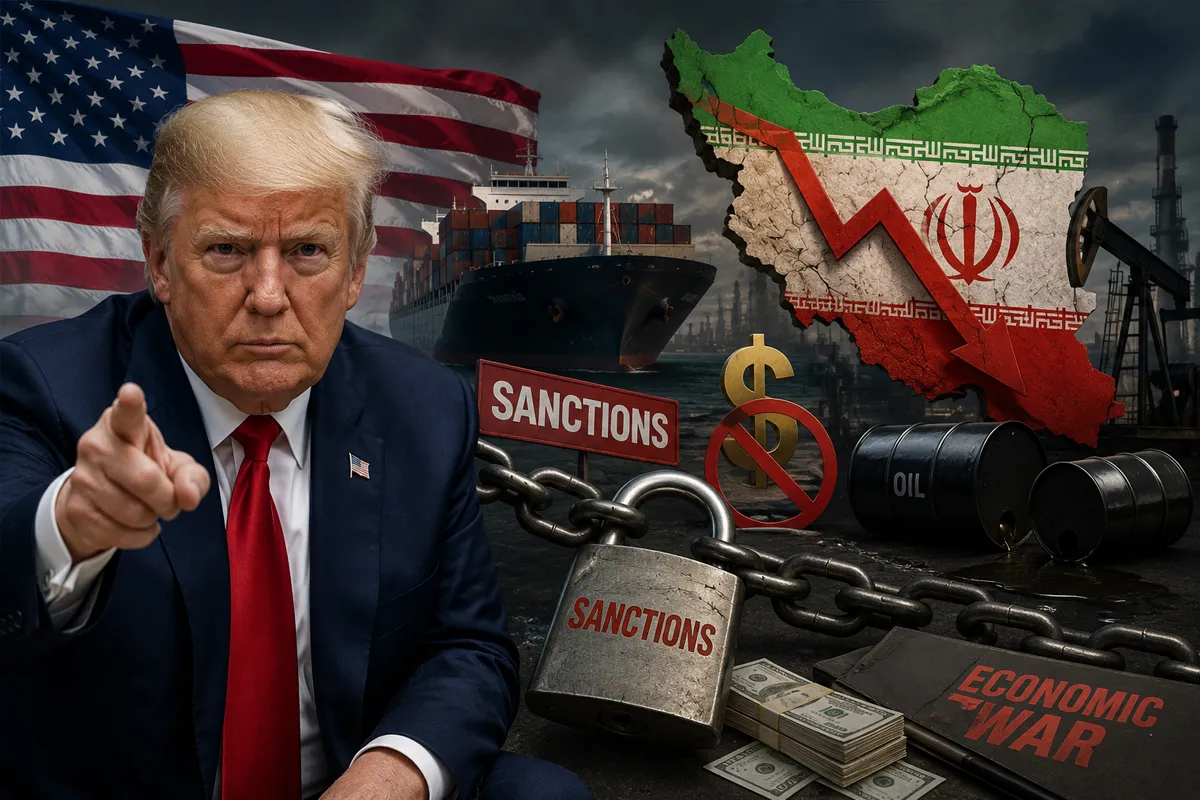
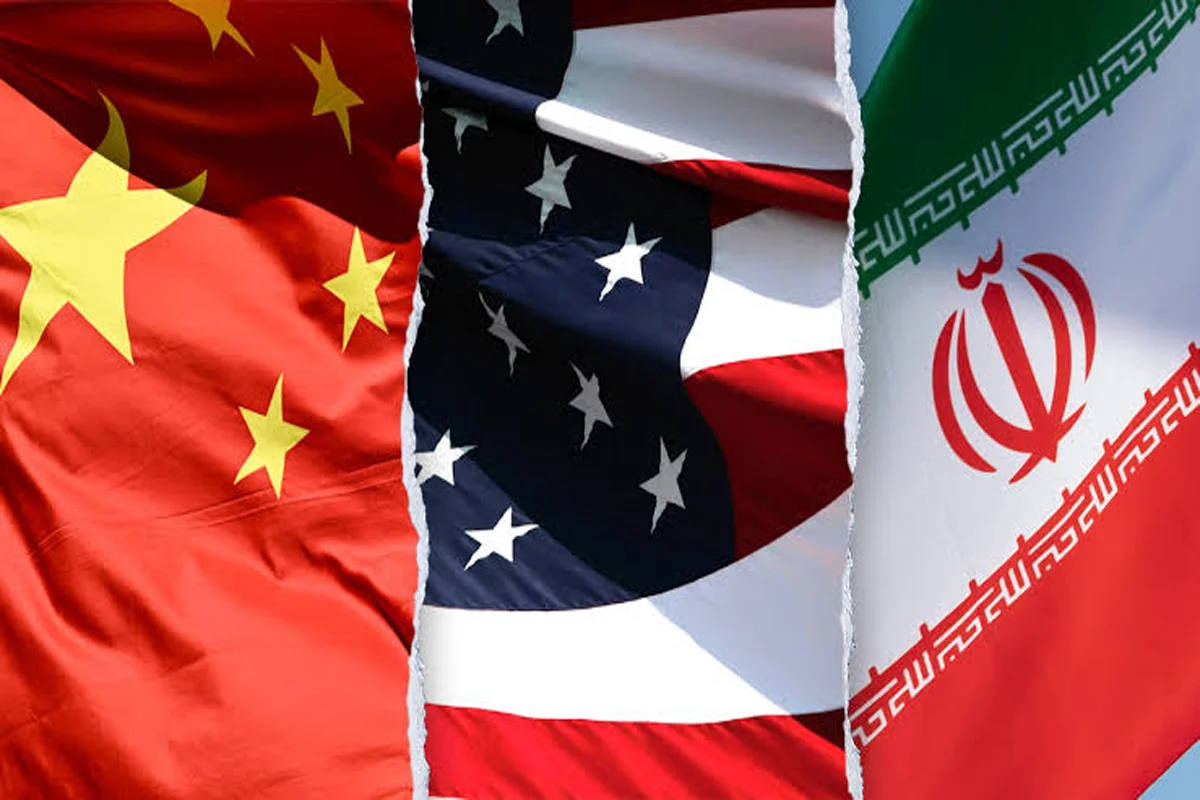
Donald Trump’s claim this week that his decision to go to war with Iran was correct and already successful fits a pattern independent fact-checkers have now formally documented: he’s made versions of the same declaration repeatedly since March, and the specific achievements he cites don’t hold up against his own administration’s evidence.
In a recent interview, Trump said the Iran decision was carefully considered and that the US has already proven its superiority in the conflict. He separately addressed his hope to end the Ukraine war and, on artificial intelligence, said that if AI ever turned against humanity, “there would be a way to stop it” — a notably casual dismissal of a risk many AI safety researchers consider far from trivial to solve. None of these comments broke new ground; Trump made nearly identical victory claims in March (“this war has been won,” “they have no navy, air force, or missile protection”), and again in June, according to Axios and Gulf News archives of his public statements through the conflict.
The “denuclearization” claim specifically has been checked and found wanting. When PolitiFact asked the White House for evidence backing Trump’s August 16 assertion of Iran’s “essential denuclearization,” a spokesperson cited the destruction of nuclear facilities, Iran’s navy and its defense industrial base — but Harvard nuclear policy specialist Matthew Bunn told PolitiFact that even without functioning enrichment facilities, Iran still holds enough highly enriched uranium stockpiled to produce a dozen or more nuclear weapons over time. Yale’s Jeffrey Sonnenfeld and Steven Tian went further in a Time analysis, arguing Trump exhibits a “relentless” pattern of declaring victory “regardless of the facts or outcome,” noting there was no unconditional surrender and no regime change despite Trump claiming both.
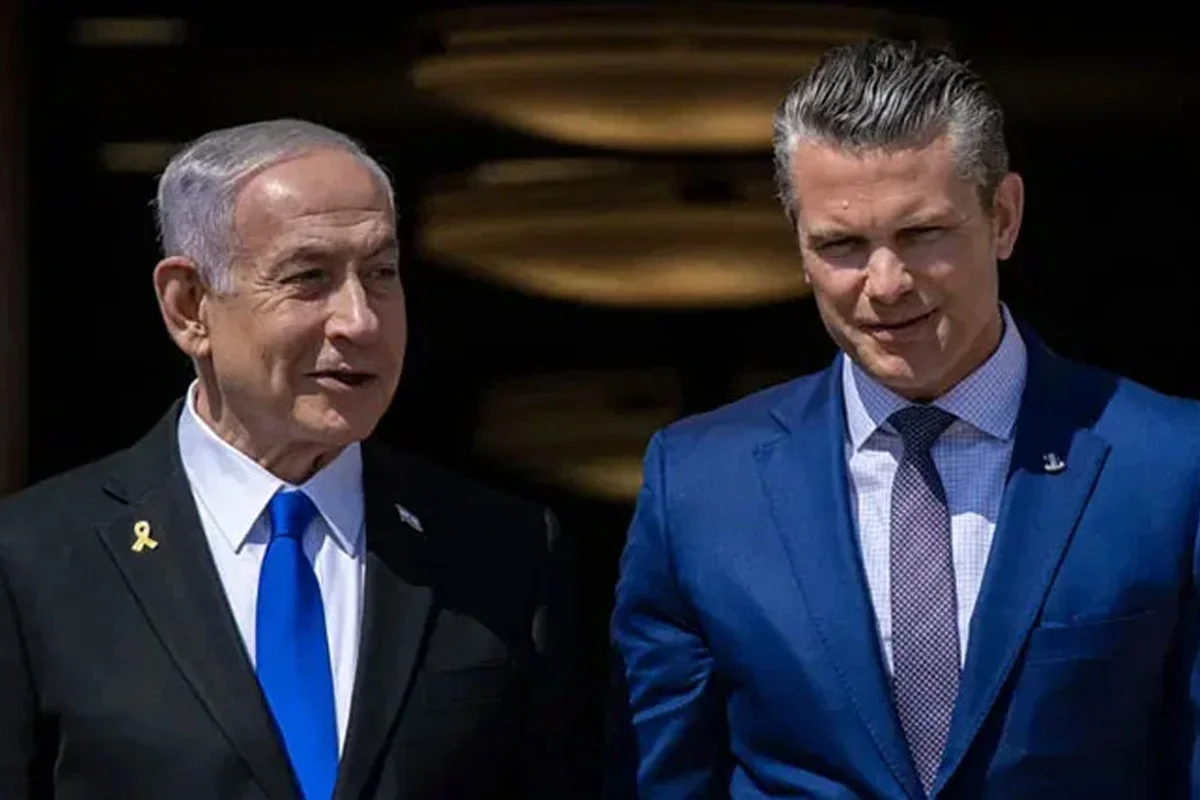
The munitions dispute referenced in Trump’s Truth Social pushback traces back roughly a month, not to a fresh controversy. Reports at the time described Trump as “exasperated” with the war and clashing with Defense Secretary Pete Hegseth at Camp David over depleted stockpiles — accounts the Pentagon called “fictional” while Trump separately threatened “long-term jail sentences” for whoever leaked the reports to the press, and said his administration was working to identify them. That response came alongside a Washington Post report of the Camp David clash, which the White House disputed but did not conclusively refute.
The actual stockpile data sits between Trump’s confident denial and the leaked reports’ alarm. CSIS estimated in August that Patriot interceptor inventories had fallen from roughly 2,300 pre-war to under 827, and THAAD interceptors from 452 to under 278 — figures three sources told CNN track closely with internal Pentagon numbers, even as Trump insists on “massive amounts” of munitions and accelerating production. Both things can be true simultaneously: real depletion in specific interceptor categories, alongside genuine ramped-up manufacturing that hasn’t yet closed the gap.
Trump’s stated rationale for the war — preventing Iran from acquiring a nuclear weapon — remains the one goal not yet definitively disproven, if only because it’s unfalsifiable in real time: Iran hasn’t tested a weapon, but its uranium stockpile means the underlying capability question stays open regardless of how many times victory gets declared. Whether that ambiguity holds until the war’s actual resolution, or collapses the next time evidence surfaces either way, is likely to keep generating the same cycle of claim and fact-check that’s now defined most of this conflict’s public messaging.
Catch all the World News, Breaking News Event and Trending News Updates on GTV News
Join Our Whatsapp Channel GTV Whatsapp Official Channel to get the Daily News Update & Follow us on Google News.
Must Read