
Nearly 1,370 Physicians Leave Israeli-Occupied Territories Over Past Three Years, Study Finds

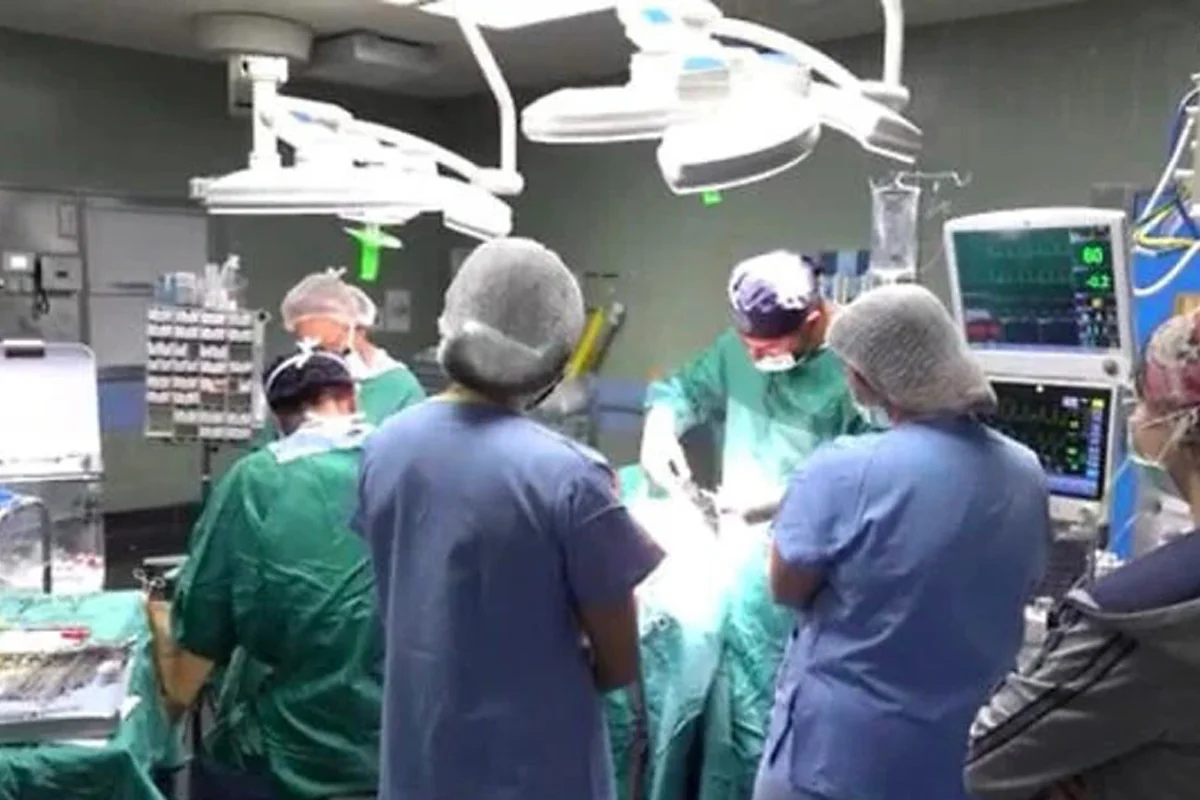
TEL AVIV: Nearly 1,370 physicians left the Israeli-occupied territories between 2023 and 2025, highlighting growing concerns over a medical brain drain and increasing pressure on the healthcare system, according to a study by Tel Aviv University.
The research found that the number of physicians leaving during the three-year period was almost twice the 705 doctors who moved abroad between 2013 and 2015.
The researchers recorded 416 departures in 2023, followed by 530 in 2024, while the initial estimate for 2025 stood at 419.
The study noted that the number of departing physicians over the three years exceeded the entire medical workforce of major hospitals including Shaare Zedek Medical Center, Soroka Medical Center and Shamir Medical Center.
Despite some physicians returning after working abroad, the healthcare system recorded a net loss of 509 doctors between 2023 and 2024.
Researchers said the average annual net loss of around 255 physicians was nearly five times higher than the average annual net loss of 54 doctors recorded between 2010 and 2019.
The study also cautioned that spending time abroad does not necessarily mean permanent emigration, as many physicians travel for fellowships, research projects and professional training.
However, researchers said the growing number of doctors remaining abroad for extended periods was a worrying trend.
The research found that the departure of experienced physicians has become increasingly significant.
More than 20 percent of doctors who left between 2023 and 2025 were aged 45 or above, representing 281 experienced physicians.
A decade earlier, doctors in this age group accounted for only around 14 percent of those leaving.
Researchers warned that the departure of experienced medical professionals could have a particularly damaging effect because their decisions are less likely to be linked to temporary education or training programmes.
The physician exodus has affected a wide range of medical specialties.
Pediatricians, ophthalmologists, dermatologists and ear, nose and throat specialists were among the groups experiencing notable departures.
The study estimated that 6.2 percent of practitioners in these specialties had left the territories.
Surgeons accounted for approximately 6 percent, while intensive care and emergency physicians represented 4.7 percent.
Gynecologists accounted for 4 percent, internists and related specialties 3.9 percent, psychiatrists 3.2 percent and family physicians 2 percent.
Among ophthalmologists, dermatologists and ENT specialists under the age of 60, around 9.4 percent had emigrated. The corresponding figures were 8.8 percent for surgeons and 6.4 percent for pediatricians in the same age group.
The Tel Aviv district experienced the largest decline, losing 429 physicians, equivalent to 7.4 percent of doctors under the age of 60 in the district.
The central district followed with a loss of 290 doctors, while Haifa recorded a decline of 190.
Occupied al-Quds recorded a reduction of 132 physicians, while the southern region lost 125.
The researchers said the concentration of departures among experienced doctors could affect not only patient care but also the training and education of future medical professionals.
The physician departures come amid broader concerns over population outflows from the Israeli-occupied territories.
According to demographic data cited in the research, the territories recorded an unusual net migration deficit during 2024 and 2025, with significantly more people leaving than arriving.
Data from the Central Bureau of Statistics indicated that almost 50,000 more people left than arrived during the two-year period.
Historically, emigration has often been linked to the pursuit of better economic opportunities abroad. However, researchers and demographic experts have noted that dissatisfaction with the political situation is also increasingly being cited among reasons for leaving.
The continuing departure of doctors adds another layer to these demographic and economic concerns, particularly because the loss of highly trained medical professionals can place additional pressure on healthcare services and increase waiting times for patients.
Professors Itai Ater and Nittai Bergman, along with PhD candidate Doron Zamir, conducted the research using cross-referenced population, education and medical licensing data.
Ater warned that the departure of nearly 1,400 doctors could directly affect the quality and availability of healthcare.
The study concluded that while not every physician who spends time abroad becomes a permanent emigrant, the sharp rise in long-term departures represents a serious warning sign for the healthcare system.
The continuing loss of experienced specialists could lead to longer waiting periods, greater pressure on remaining medical staff and difficulties in maintaining the quality of medical services and training.
Catch all the World News, Breaking News Event and Trending News Updates on GTV News
Join Our Whatsapp Channel GTV Whatsapp Official Channel to get the Daily News Update & Follow us on Google News.
Must Read