Iran Warns South Korea Against Joining US Hormuz Mission

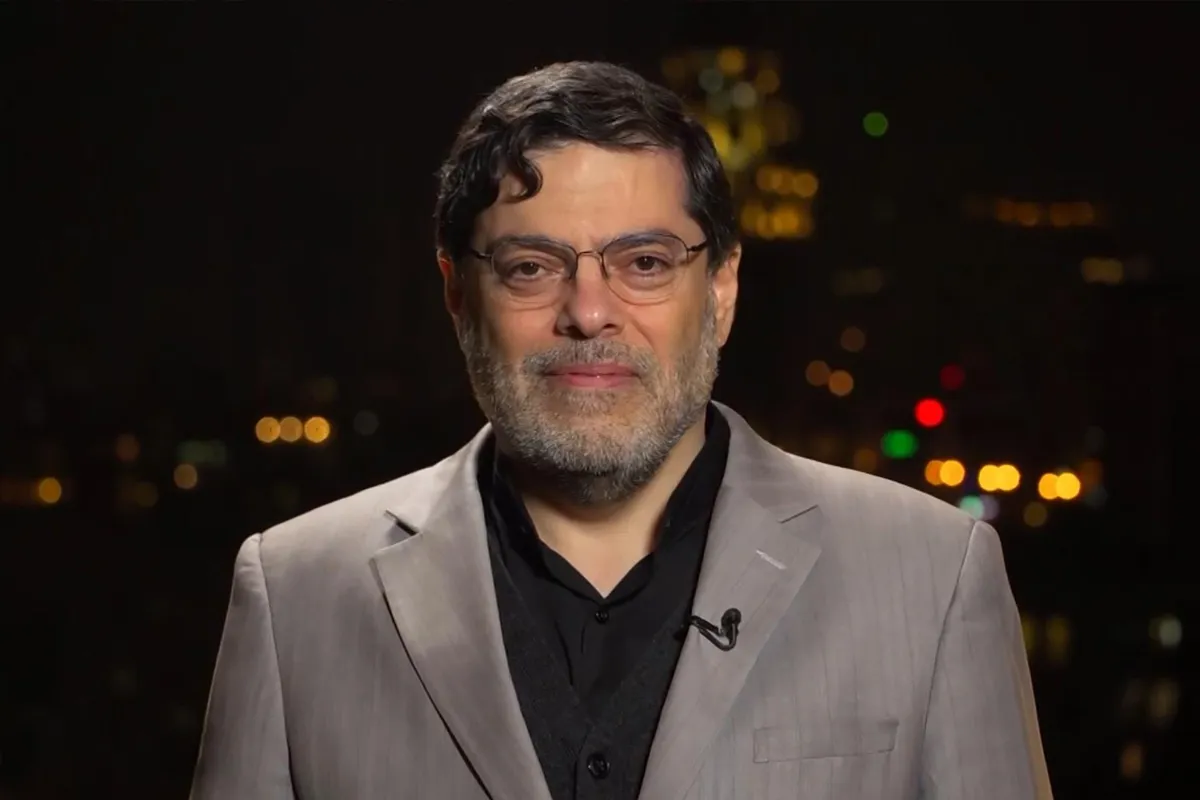
Mohammad Marandi’s warning to South Korea carried an odd internal contradiction: Iran would treat Seoul as an enemy and destroy its Gulf assets if it joins the US Hormuz mission, he said — but the ships South Korea might actually send wouldn’t matter militarily at all. “What is a ship or two from South Korea going to do? It’s foolish,” he said on the same broadcast where he threatened to “easily destroy” South Korean economic assets across the Persian Gulf.
Speaking on Lebanese outlet Al Mayadeen’s The Grand Standoff on September 4, the University of Tehran professor and former adviser to Iran’s nuclear negotiating team said “if the South Koreans participate in this war against Iran, Iran will see it as the enemy,” and that Tehran would target assets not necessarily limited to military installations — specifically naming South Korean interests in Saudi Arabia, Bahrain, Kuwait, the UAE and Qatar as potential targets. “So the Koreans are very vulnerable to Iran,” he said. “Iran can hurt them very badly.”
That combination — dismissing the military value of Korean participation while threatening its economic footprint — is the real substance of the warning, and it clarifies who the threat is actually aimed at. If a token naval contribution genuinely wouldn’t shift the war’s outcome, as Marandi himself argues, then the threat isn’t deterring a meaningful military asset; it’s pricing coalition membership itself as costly enough to discourage even symbolic participation, with an eye toward deterring other hesitant US allies weighing similar contributions.
South Korea’s position gives the warning real leverage to work with. Seoul sources roughly 61% of its crude oil and 54% of its naphtha through the Strait of Hormuz, exactly the kind of energy dependency that makes both joining and refusing costly. South Korea’s presidential office said Friday it’s reviewing options “from multiple angles” without confirming any final decision, while local reports have described potential contributions ranging from a P-8A Poseidon patrol aircraft and roughly 150 troops to a fast combat support ship — but any deployment would require National Assembly approval, where public opinion runs against it: roughly 55% of South Koreans oppose the move, according to reporting cited alongside the threat.
Marandi’s own background adds institutional weight beyond a typical media commentator. He served as a media adviser to Iran’s negotiating team during the 2021-2022 JCPOA restoration talks, and his father was personal physician to the late Ayatollah Ali Khamenei — connections that place him closer to Iran’s actual foreign-policy establishment than an independent academic voice, even though he holds no formal government position. That’s consistent with Iran’s use of aligned analysts to float positions with some deniability before, or instead of, official government statements.
The threat also fits a broader pattern rather than a Korea-specific grievance: Iran has previously struck at coalition partners it deems hostile through attacks on US bases in Jordan and Bahrain whenever it comes under pressure, and Marandi’s warning explicitly draws that comparison — civilian and corporate infrastructure, not just military assets, as the retaliatory target set. Whether the warning succeeds in keeping South Korea out of the mission, or whether Seoul weighs its oil dependency and alliance obligations to Washington as the more decisive factor, will likely be clear well before any Korean assets actually reach the Gulf.
Catch all the World News, Breaking News Event and Trending News Updates on GTV News
Join Our Whatsapp Channel GTV Whatsapp Official Channel to get the Daily News Update & Follow us on Google News.
Must Read
Pakistan
Bilawal Bhutto Pays Tribute to Karsaz Martyrs, Calls for Unity Against Terrorism
18-October،2026