Oil Prices Rise More Than 2% After Saudi, Strait of Hormuz Attacks


Brent Oil Prices Fall After Trump Announces Talks With Iran
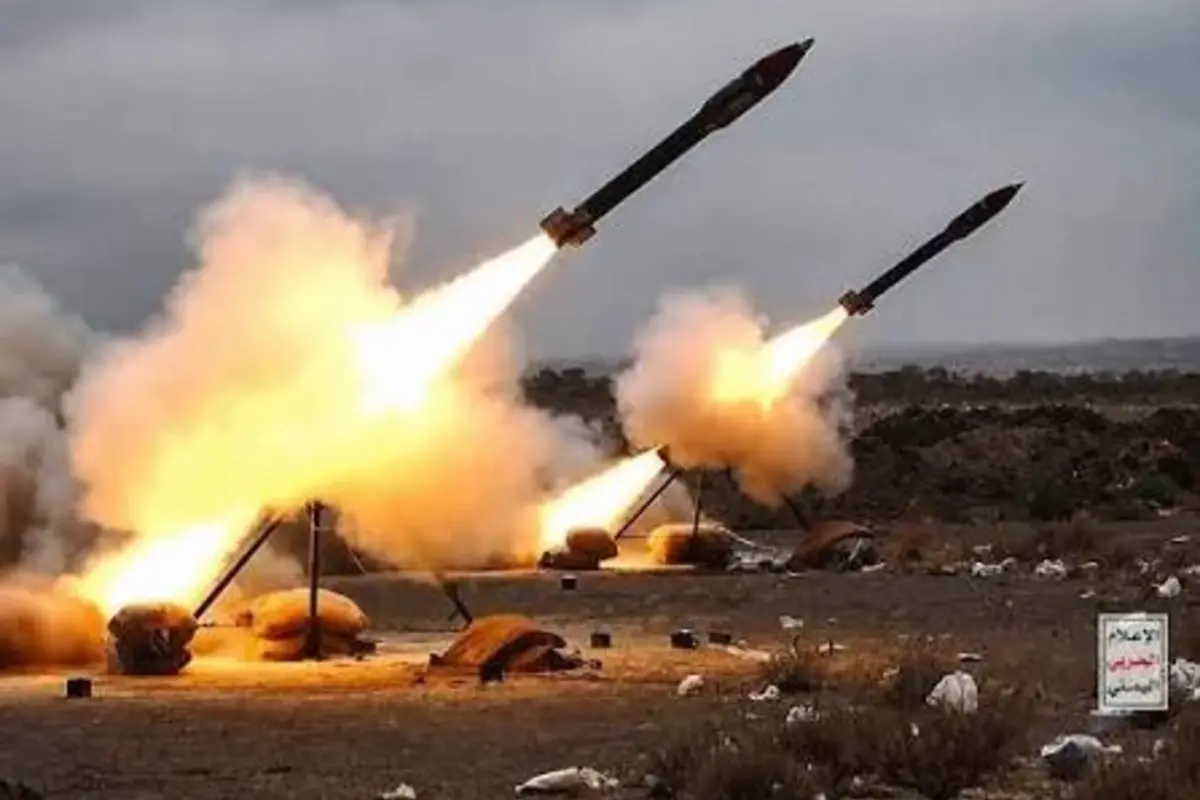
LONDON: Global oil prices rose more than 2 percent after fresh attacks in Saudi Arabia attributed to the Houthi militia and an incident involving a commercial vessel in the Strait of Hormuz increased concerns over energy supplies.
The temporary shutdown of a major Saudi oil pipeline also added to fears of further disruption to global crude shipments.
According to Reuters, Brent crude rose by $2.90, or 2.77 percent, to $107.51 per barrel, while US West Texas Intermediate (WTI) gained $2.27, or 2.27 percent, to $102.32 per barrel.
Oil prices had climbed by more than 3 percent earlier in the trading session as investors assessed the potential impact of the latest developments on regional energy supplies.
Houthi Militia Attacks Raise Saudi Security Concerns
Saudi state media released footage showing homes and a mosque in the southern province of Jazan that were reportedly damaged in attacks attributed to the Houthi militia.
The Houthi militia also said it had targeted a Saudi military base in a neighbouring province. The report has not been independently verified.
The latest attacks have added to concerns over the security of Saudi Arabia’s energy infrastructure and the wider regional supply network.
Commercial Vessel Hit in Strait of Hormuz
The rise in oil prices also followed an incident involving a commercial vessel in the Strait of Hormuz.
According to the British maritime security agency, a vessel was struck by a missile or another projectile, causing a fire onboard and prompting the crew to be moved to safety.
The incident has raised further concerns among shipping operators over the safety of commercial vessels using the strategically important waterway.
Saudi Pipeline Shutdown Adds Supply Risk
Saudi Arabia’s East-West oil pipeline has also been temporarily suspended following recent attacks, adding another layer of uncertainty to global crude supplies.
The pipeline provides Saudi Arabia with an alternative export route that bypasses the Strait of Hormuz by transporting oil from the eastern producing region toward the Red Sea.
Its temporary closure has heightened concerns over the resilience of regional energy infrastructure at a time when both the Strait of Hormuz and Red Sea are facing increased security risks.
Global Energy Markets Under Pressure
The latest developments have increased fears that disruptions could affect energy shipments through two of the region’s most important maritime corridors.
Any prolonged disruption around the Strait of Hormuz or the Red Sea could tighten global crude supplies, increase tanker and insurance costs and place further upward pressure on oil prices.
With Brent already above $107 per barrel and WTI above $102, markets are closely watching further developments across the region for signs of additional supply disruptions.
Catch all the Business News, Breaking News Event and Trending News Updates on GTV News
Join Our Whatsapp Channel GTV Whatsapp Official Channel to get the Daily News Update & Follow us on Google News.
Must Read

Pakistan
Sindh Government, MQM Clash Over Local Government Bill and Devolution of Powers
14-September،2026

World
Field Marshal Asim Munir Meets Indonesian Navy Chief to Discuss Defense Cooperation
14-September،2026

World
Chief Justice Yahya Afridi Highlights Five-Pillar Reform Agenda at Islamabad Ceremony
14-September،2026