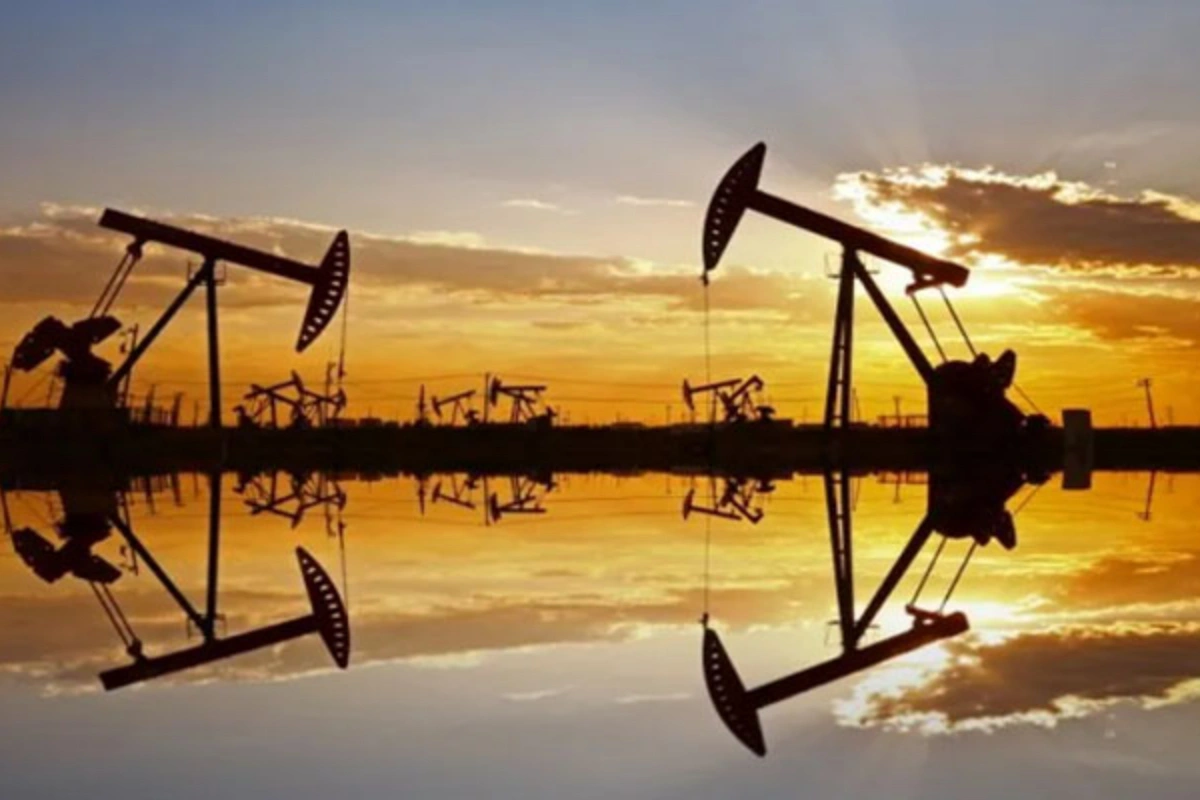

IMF Warns of Economic Contraction in the Middle East in 2026

The International Monetary Fund (IMF) has sharply downgraded its 2026 economic outlook for the Middle East, projecting a 0.3 per cent contraction after previously forecasting growth of 1.9 per cent, according to its latest report.
The revised IMF Middle East economic forecast reflects the impact of the conflict involving the United States, Israel and Iran, particularly disruptions to oil production, transportation and exports linked to the prolonged closure of the Strait of Hormuz.
The waterway is a critical route for global energy shipments, and restrictions on its use can affect oil-exporting economies as well as international trade and energy prices. The IMF assessment indicates that disruptions to regional energy flows could place substantial pressure on economic activity across the Middle East.
According to the figures provided in the report, Iraq, Kuwait, Qatar and Bahrain could experience double-digit economic contractions in 2026. Their prospects for recovery would depend in part on the restoration of production and trade routes in 2027.
Iran is projected to experience a 7.6 per cent contraction in its economy. Saudi Arabia’s gross domestic product (GDP) is forecast to decline by 3.3 per cent, while the United Arab Emirates could see a 3.9 per cent contraction.
Oman is identified as an exception among the Gulf economies covered in the figures, with growth of 2.4 per cent projected for this year. The differing outlooks underline how the effects of regional conflict can vary depending on economic structure, exposure to disrupted shipping routes and the performance of individual sectors.
The downgrade marks a significant change from the IMF’s earlier assessment, which had anticipated positive growth across the Middle East. The revised outlook highlights the economic consequences that prolonged disruption to energy production and transportation can have on countries that depend heavily on hydrocarbon exports.
A sustained interruption to shipping through the Strait of Hormuz could affect government revenues, export earnings and business activity in affected economies. Countries facing steep contractions may also encounter greater pressure to support domestic economic activity while managing the effects of reduced trade.
The projected figures remain forecasts rather than confirmed final outcomes. The scale of the eventual economic impact will depend on how the conflict develops, when energy production and shipping recover, and how quickly regional trade returns to normal.
The report’s projections also point to the importance of restoring secure and reliable trade routes. For oil-producing economies, a recovery in production and exports could be central to improving economic performance in 2027, although the pace and scale of any rebound remain uncertain.
Catch all the Business News, Breaking News Event and Trending News Updates on GTV News
Join Our Whatsapp Channel GTV Whatsapp Official Channel to get the Daily News Update & Follow us on Google News.
Must Read


Pakistan
Mustafa Amir Murder Case: Armaghan and Shiraz Refuse to Receive Court Notices
13-October،2026

Technology
Pakistan Moves Closer to Finalising Satellite Internet Regulatory Framework
13-October،2026