Adviser blames Covid19 for inflicting Rs3000bn loss to national economy

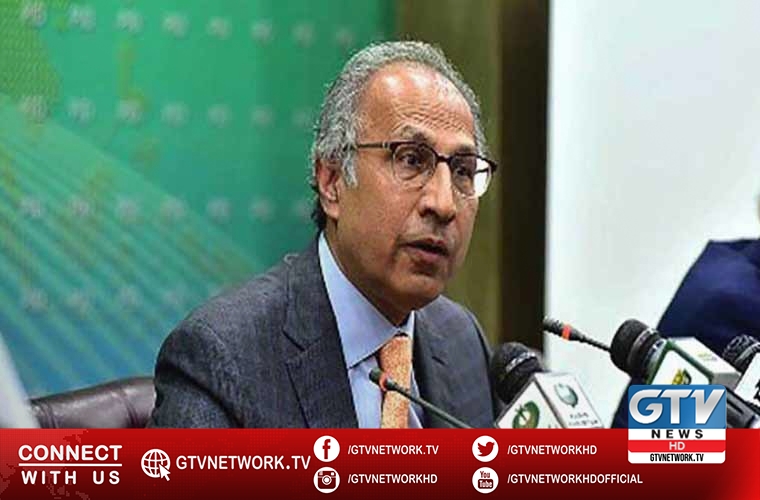
Adviser blames Covid19 for inflicting Rs3000bn loss to national economy.
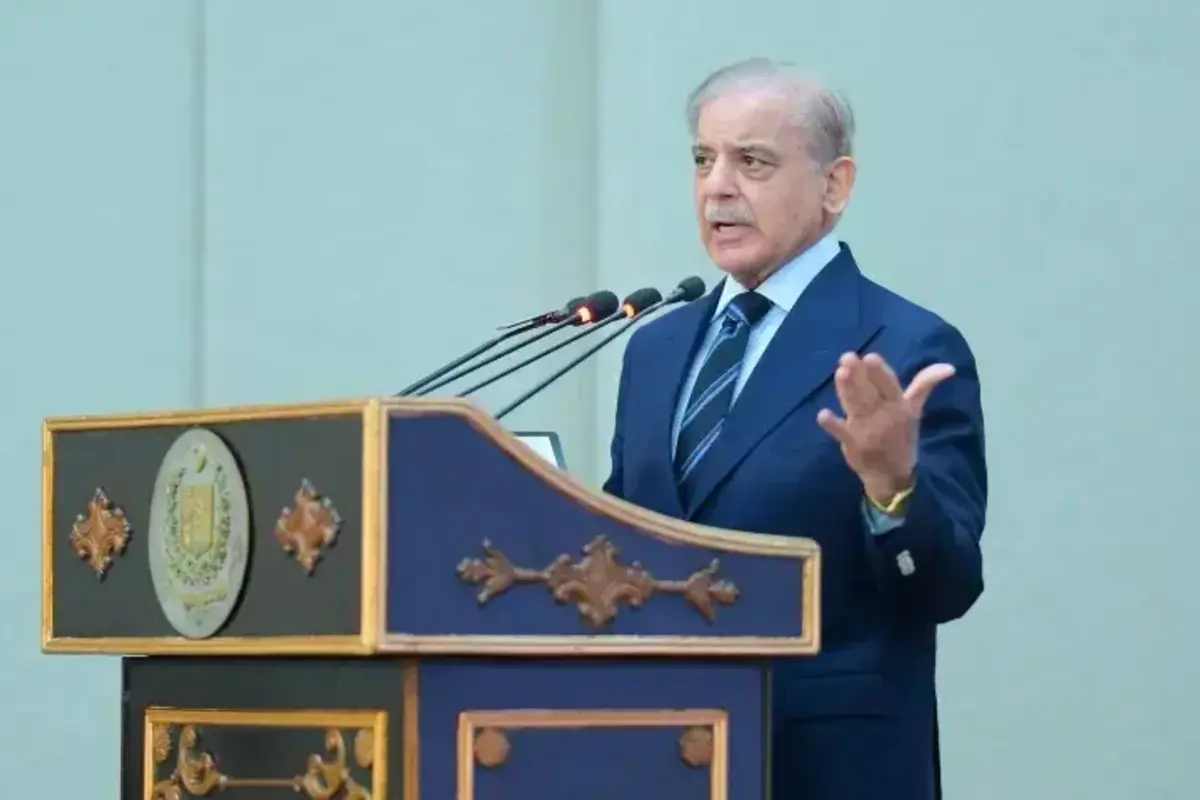
Prime Minister’s adviser on Finance Dr Abdul Hafeez Sheikh termed the Coronavirus pandemic not an excuse as because brought difficult times for the country.
Adviser blames Covid19 for inflicting Rs3000bn loss
He said Coronavirus virtually inflicted a loss of around Rs 3,000 billion to the national economy.
He said, while addressing here the post-budget press conference in Islamabad on Saturday.
Exact loss to the economy could not be estimated as it could not be predicted how long the pandemic would continue and what would be its intensity,
Those accompanied him included: Adviser to the Prime Minister on Commerce Razak Dawood and Federal Minister for Industries and Production Hammad Azhar.
Federal Board of Revenue (FBR) Chairperson Nausheen Javed and other officials of the Finance Ministry also accompanied them.
Sheikh said the COVID-19 pandemic had hit the economy hard causing Rs 3,000 billion loss.
It resulted in considerable reduction in the revenue collection against the actual target.
He said the government had revised the tax collection target to Rs 4,700 billion.
However, it would hardly collect Rs 3,900 billion by the end of ongoing fiscal year.
Rs700bn loss in the tax collection target
That means a loss of over Rs 700 billion on that account.
He said Pakistan was not the only country that was hit by the coronavirus. Rather it had engulfed the whole world affecting the health and economic sectors.
The adviser said the industry, markets, transport and other business institutions, that keep the economic cycle running, had been closed.
And that caused another problem of unemployment.
Despite financial constraints, he said, the government tried its best to help the people in the trying times and announced a Stimulus Package of Rs 1,200 billion.
Besides, it procured wheat of Rs 280 billion to provide liquidity to the farmers.
The adviser said the economic stability witnessed during the first nine months of current financial year.
But the situation worsened in the post-COVID period when the pandemic badly inflicted losses to the economy.
He noted fulfilling international commitments and paying back loans of Rs 2,900 billion as the most important responsibility for the government in the next fiscal year.
He said the loan amount paid back was sufficient to launch more than 20 programmes.
Sheikh cited Ehsaas like programmes to help the poor.
Govt trying its best to reduce expenditures
He said the government was trying its best to reduce expenditures. For tat it had to take take tough decisions.
The adviser said despite limited resources and the COVID-19 pandemic, the government had tried to provide maximum relief to the common man in the 2020-21 budget.
He said the government had inherited a deteriorated economy with increasing imports, decreasing exports, depleting foreign exchange reserves, and widening current account and fiscal deficits.
The foreign exchange reserves remained under immense pressure due to increasing imports and decreasing exports.
Besides, current account deficit had swelled to $20 billion but PTI govt brought it down to $3 billion.
Hafeez Shaikh said the government took tough decisions.
It introduced fiscal and financial discipline, besides reducing all non-developmental expenditures to bring economic stability.
Due to the continuous efforts, he said, the economic indicators had started showing growth and the revenue collection witnessed remarkable increase of 17% while non-tax income reached Rs 1,600 billion.
He said the government’s economic reforms programme was widely hailed by the international credit rating agencies like Mooody’s and development partners, including the International Monetary Fund and the World Bank.
The recognition of international forums had restored the confidence of both local and foreign investors.
Foreign investment showed about 137% growth.
All the government efforts, he said, were dented with the emergence of COVID-19 pandemic, which had also affected the global economy as well as millions of people.
IMF estimates
He said according to the IMF estimates, the overall global income likely to decrease by 1.4%.
And that situation also had a negative impact on Pakistan’s local trade and industrial sectors.
The adviser said despite limited resources, the government launched a relief programme to provide financial assistance to the people to fulfill their daily needs.
Over 10 million people without any political, regional or religious discrimination, had benefitted from the programme.
He said in order to promote the agriculture sector, the government had decided to procure wheat for Rs 280 billion, which would help the farmers to fulfill their needs.
The government had also allocated Rs 50 billion for the subsidy on fertilizers, he added.
He said the government had also provided financial assistance to small enterprises, which were affected hard due to the pandemic. Over 600,000 businesses were benefited from the programme.
Debt payment a huge issue
Hafeez Shaikh said the foreign debt payment was a huge issue for the country.
The government wanted to increase its public sector development budget and spend more on education and health.
But it would have to pay back Rs 2,900 billion foreign debt during the upcoming fiscal year (2020-21).
The government had decided to decrease its running expenditures so it could allocate more funds for economic growth, he added.
PM”s adviser said govt decided not to impose any new tax.
The government also announced about 1,623 zero rated tariff lines in the budget 2020-21 for encouraging the export sector.
It had also decided to reduce the tax duties on 200 tariff lines and regulatory duty (RD) on 166 tariff lines again to encourage the local exports.
The purpose of lowering the tariff lines was to reduce the cost of business for different potential sectors of the national economy, he added.
Hafeez Shaikh said the government had also decided to abolish 10 different existing withholding taxes and also reduce the import duties from 5 to 2 percent on different import items.
The advisor said the government had provided a huge relief package to the construction industry, besides reducing the capital gains tax on the sector for industrial growth and increase employment opportunities in the country.
Reduced FED on cement
“We have also reduced the federal exercise duty (FED) on cement to provide relief to the construction industry as well as the people by decreasing the cost of business,” he added.
Hafeez Shaikh said the government had encouraged the automation in the Federal Board of Revenue (FBR). “We decided to provide more relief to the tax payers, who pay their taxes through automated process in the FBR.”
He said the government had also abolished import duty on medical equipment.
To a question, he dispelled the impression of any biding on the government on part of IMF.
He said Pakistan was having good relations with the Fund.
Meanwhile, Hammad Azar special focus had been given to the Small and Medium Enterprises (SMEs) in the budget 2020-21 to help jobs creation.
Moreover, Razak Dawood said the government had introduced the pro-export policies.
He said govt removed all exports barriers which the past government imposed.
Because the PTI govt wants to promote export led growth in the country.
Adviser on Finance claims govt provided relief to poor people in budget
Catch all the Pakistan News, Breaking News Event and Trending News Updates on GTV News
Join Our Whatsapp Channel GTV Whatsapp Official Channel to get the Daily News Update & Follow us on Google News.
Must Read

Pakistan
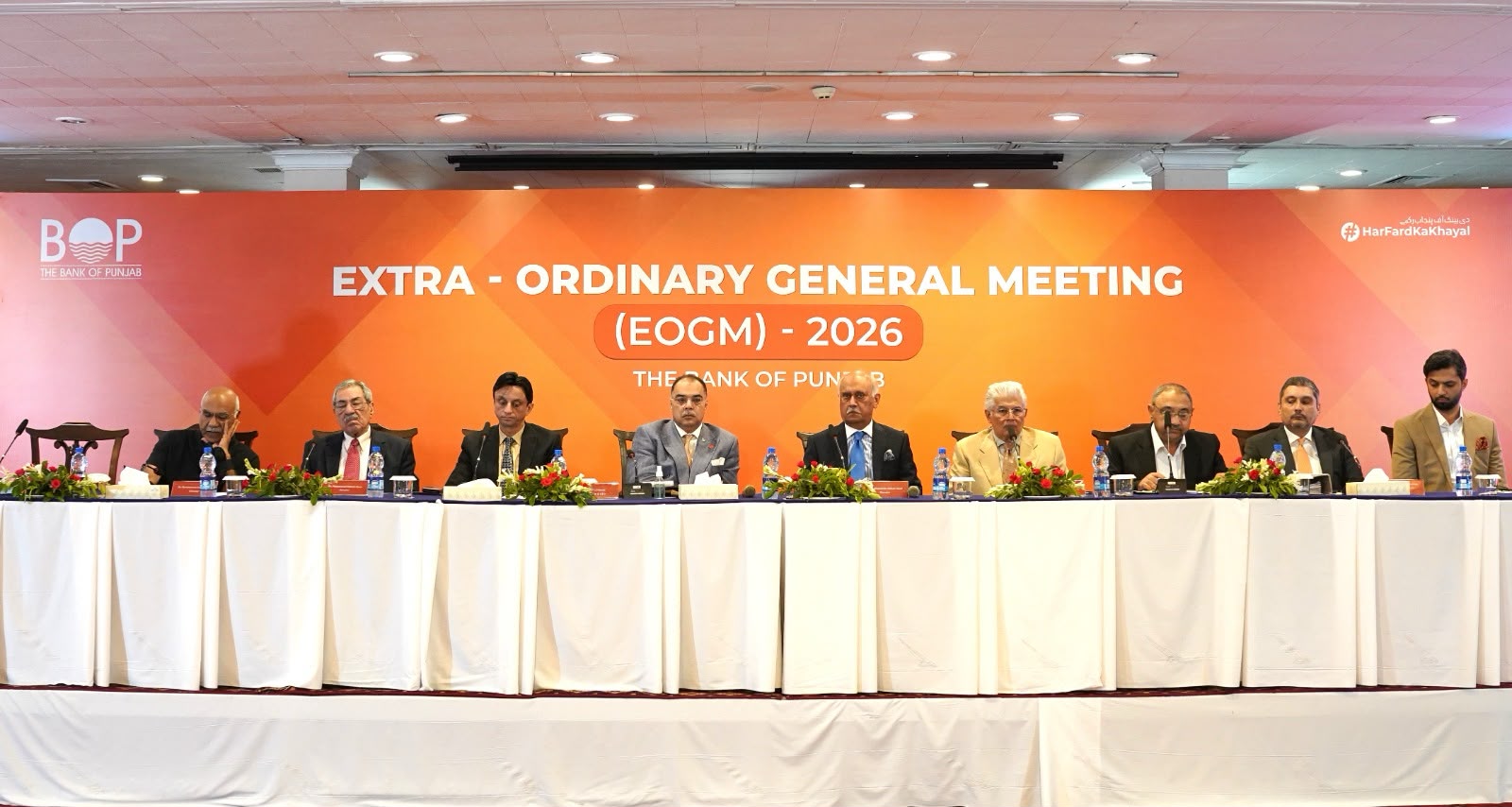
BOP Shareholders Unanimously Approve PKR 30 Billion Equity Injection by Government of the Punjab
8-September،2026