Oil Prices Drop 4% on US-Iran Deal Hopes — Pakistan Petrol May Fall Rs100 Per Litre

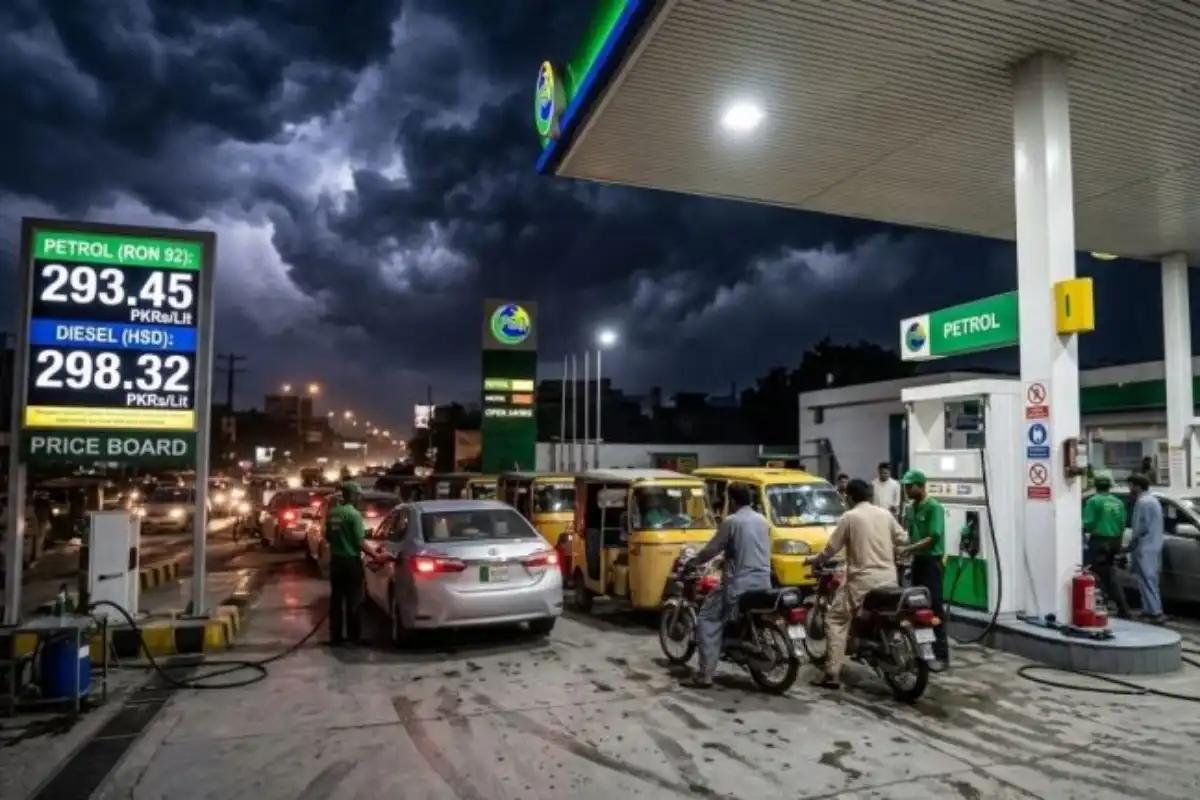
Petrol Subsidy Expanded: Motorcyclists, Farmers and Transport Workers to Get Rs 4,000
The diplomatic signal from Washington and Tehran just moved global energy markets — and Pakistani consumers may be the unexpected beneficiaries.
Global crude oil prices fell more than four percent following reports of a potential US-Iran peace agreement, with markets responding immediately to prospects of reduced Gulf tensions and restored Hormuz transit security. For Pakistan — a major oil-importing economy already under severe fiscal pressure — the price movement carries direct and significant implications for household fuel costs.
Where Oil Prices Stand Now
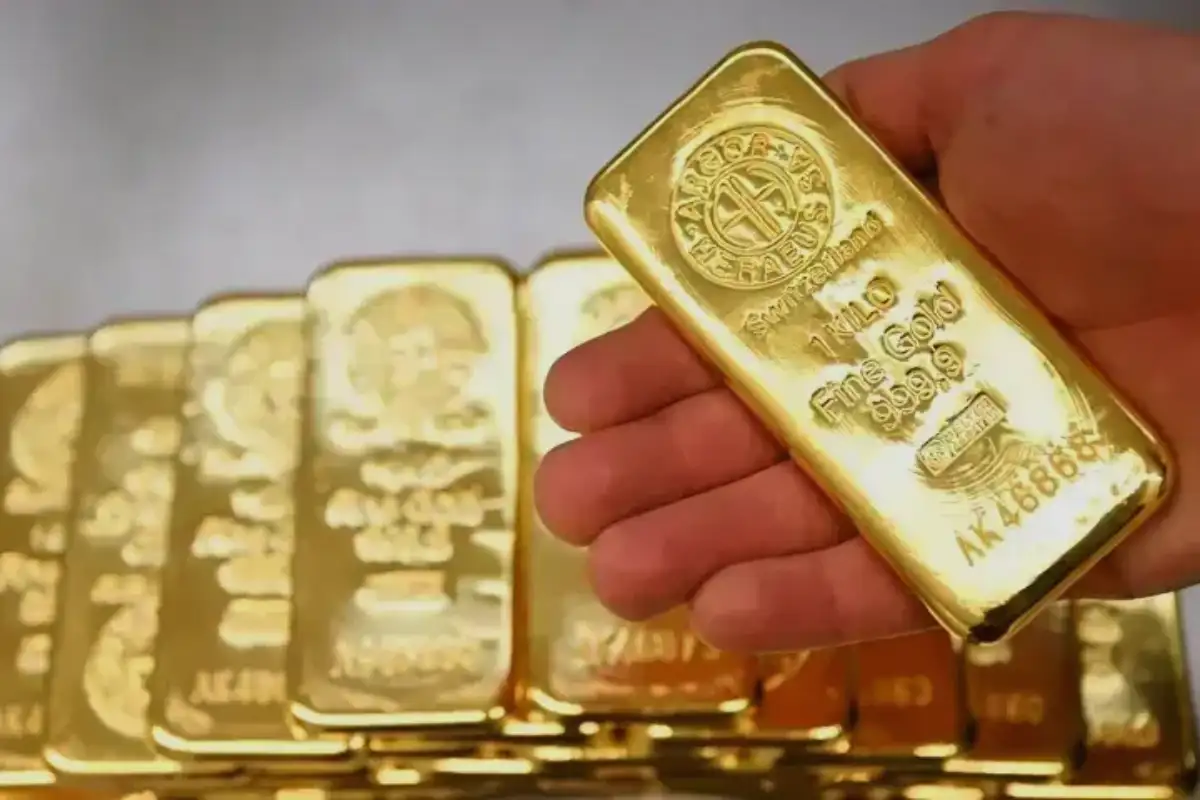
The market reaction was swift and measurable. West Texas Intermediate crude dropped to approximately $80.76 per barrel. Brent crude — the international benchmark used for Pakistani import calculations — settled at $83.70 per barrel. UAE Murban crude, a Gulf benchmark relevant to Pakistan’s regional procurement, fell to approximately $83 per barrel.
These levels represent a substantial retreat from the conflict-peak prices that were pushing Brent toward the $125 threshold Moody’s Analytics identified as America’s recession trigger. The directional shift is clear. Whether it holds depends entirely on whether the diplomatic framework survives contact with implementation.
The Pakistan Transmission Mechanism
Pakistan’s Oil and Gas Regulatory Authority reviews petroleum product prices on a fortnightly basis, calibrating domestic retail prices against international crude benchmarks, the Pakistani rupee-dollar exchange rate, and government-determined tax and levy structures.
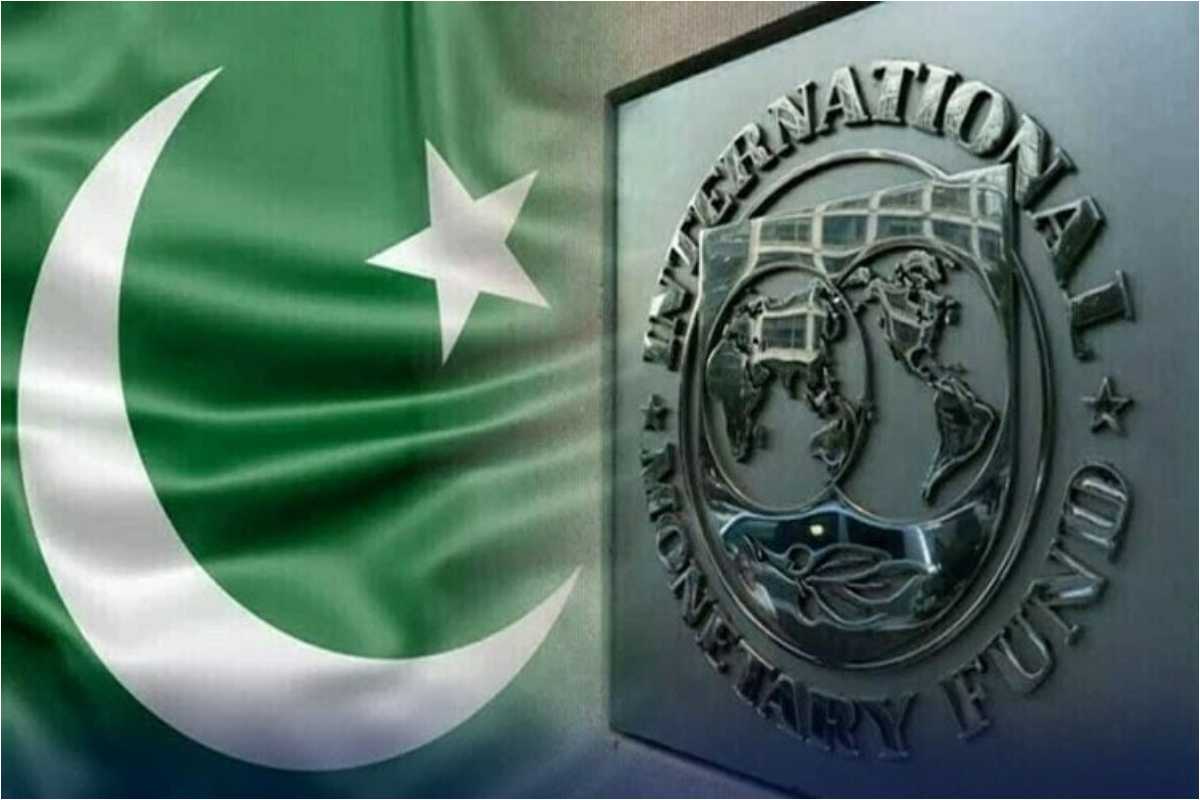
When international crude falls, the transmission to domestic prices is not automatic — the government controls the pace and extent of passthrough based on fiscal space, subsidy commitments, and IMF programme obligations. However, a sustained drop of this magnitude creates genuine room for reduction that the government cannot politically ignore indefinitely.
Senior analyst Hassan Ayub assessed that if current crude price trends persist through the next pricing review cycle, Pakistani petrol prices could fall by at least Rs100 per litre. At current retail prices, that would represent one of the largest single-cycle reductions in recent memory.
Why This Matters Beyond Fuel Costs
Petroleum product prices in Pakistan function as an inflation multiplier. Transport costs, food distribution, manufacturing input costs, and electricity generation all carry embedded fuel price exposure. A Rs100 per litre petrol reduction does not stay contained at the pump — it travels through the supply chain, reducing inflationary pressure across multiple consumer categories simultaneously.
Pakistan’s import bill has been a chronic foreign exchange drain. Lower crude prices reduce the dollar outflow required to sustain energy imports, providing marginal relief to foreign exchange reserves and reducing pressure on the rupee — a secondary benefit that compounds the direct fuel price impact.
The Caveat the Markets Are Pricing In
The four percent drop reflects hope, not confirmation. US-Iran comprehensive agreement talks are scheduled for June 22. If those talks stall, collapse, or produce an agreement that fails to reopen Hormuz fully, the price recovery could be rapid and sharp.
Pakistani consumers have reason for cautious optimism. They have less reason for certainty.
Catch all the Business News, Breaking News Event and Trending News Updates on GTV News
Join Our Whatsapp Channel GTV Whatsapp Official Channel to get the Daily News Update & Follow us on Google News.
Must Read