
Oil Prices Drop 5% as US, Iran Pause Fighting Over Weekend


Global Oil Falls as US–Iran Ceasefire Eases Tensions
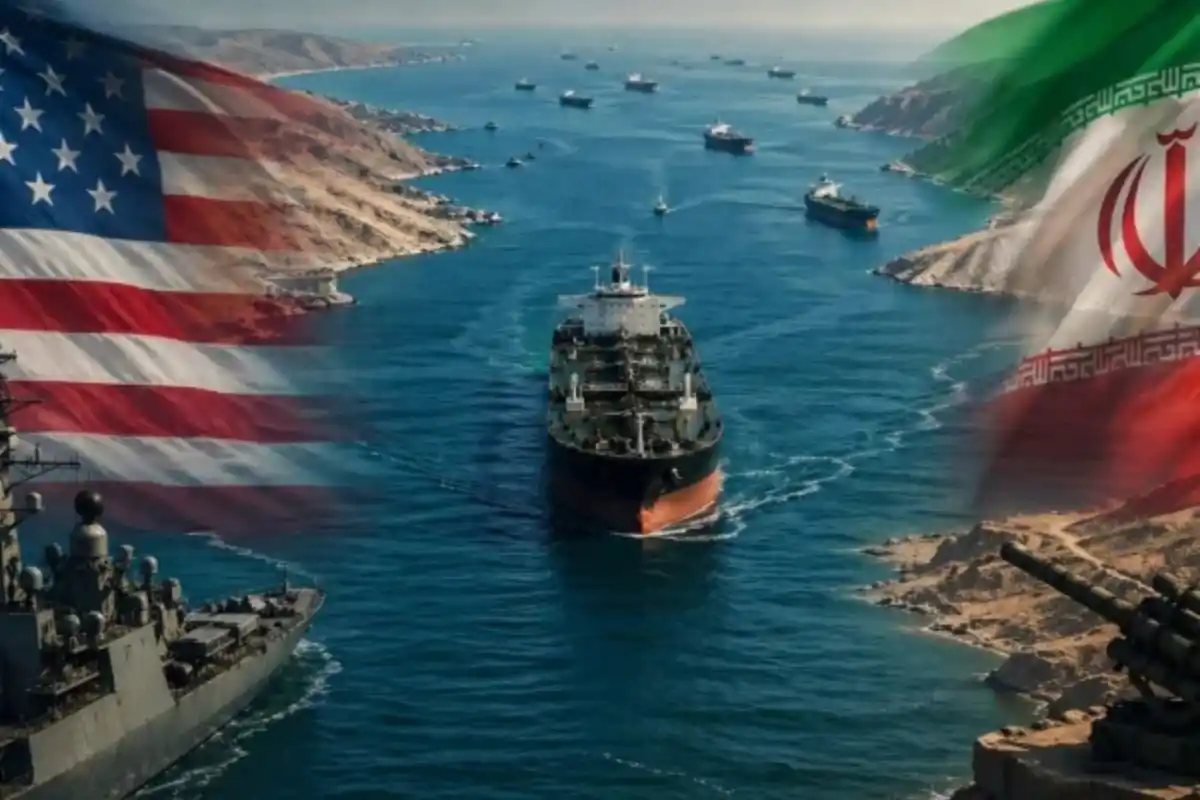
Oil prices tumbled 5% Monday after the US and Iran paused strikes over the weekend following two weeks of continuous attacks, raising hopes for a diplomatic breakthrough that could de-escalate the conflict and allow shipping to resume through the Strait of Hormuz.
Brent crude fell $4.89, or 5.05%, to $91.89, briefly dipping below the key $90 support level earlier in the session, while US West Texas Intermediate dropped $4.67, or 5.23%, to $84.64 a barrel. Both benchmarks hit their lowest levels in nearly a week after three consecutive weeks of gains.
The pullback marks a sharp reversal from recent weeks, when Brent had climbed to $100 a barrel as the conflict disrupted Hormuz shipments and spilled into the Red Sea, hindering Saudi Arabia’s oil exports to Asia via the Bab el-Mandeb Strait. US Ambassador to the United Nations Mike Waltz told Fox News Sunday and other outlets that President Trump decided to pause US attacks specifically to allow more time for diplomacy — a notable shift after weeks of escalating rhetoric and near-nightly strikes.
IG Markets analyst Tony Sycamore said hopes are rising that a genuine diplomatic path may be opening, suggesting a return to the 14-point memorandum of understanding with greater clarity on Strait of Hormuz control would represent a solid starting point. That reference points back to the earlier Pakistan-brokered agreement, whose collapse over unresolved Hormuz control terms had been a central driver of the conflict’s re-escalation in recent weeks.
Despite the pause in attacks, actual shipping activity through Hormuz remained subdued, with fewer than 10 commodity vessels passing through the strait daily over the weekend, according to shipping data from Kpler — a figure reflecting how cautious commercial shippers remain even as active combat has paused. Traffic through Bab el-Mandeb also fell Sunday after Yemeni Houthi forces struck Saudi oil installations along the Red Sea coast, though one Chinese supertanker did exit via that route.
MST Marquee analyst Saul Kavonic cautioned that any rebound in Hormuz flows is likely to be slow and partial, since many shippers remain wary and will want greater confidence in vessel safety before committing more empty ships to transit the strait. That assessment suggests the practical shipping recovery may lag well behind any formal diplomatic or military de-escalation, given how much confidence-building would be needed to convince insurers and shipping companies the route is genuinely safe again.
The pause arrives after a period marked by claimed Iranian strikes on Gulf shipping and countries hosting US forces, US strikes on Iranian infrastructure across multiple provinces, and a rejected Iraqi-mediated ceasefire proposal — all of which had pushed oil prices steadily higher and US strategic reserves to 45-year lows. Whether this weekend pause holds and translates into a durable diplomatic framework, or represents another temporary lull before renewed escalation, will likely become clearer in the coming days as both sides test whether genuine negotiating room exists this time.
Catch all the Business News, Breaking News Event and Trending News Updates on GTV News
Join Our Whatsapp Channel GTV Whatsapp Official Channel to get the Daily News Update & Follow us on Google News.
Must Read