
Rajab Butt vs Zulqarnain Sikandar: Online Clash Escalates Over Viral Remarks, “Aunty” and Monetization Claims

Web Desk
28 March, 2026 11:53
Rajab Butt vs Zulqarnain Sikandar: Online Clash Escalates Over Viral Remarks, “Aunty” and Monetization Claims
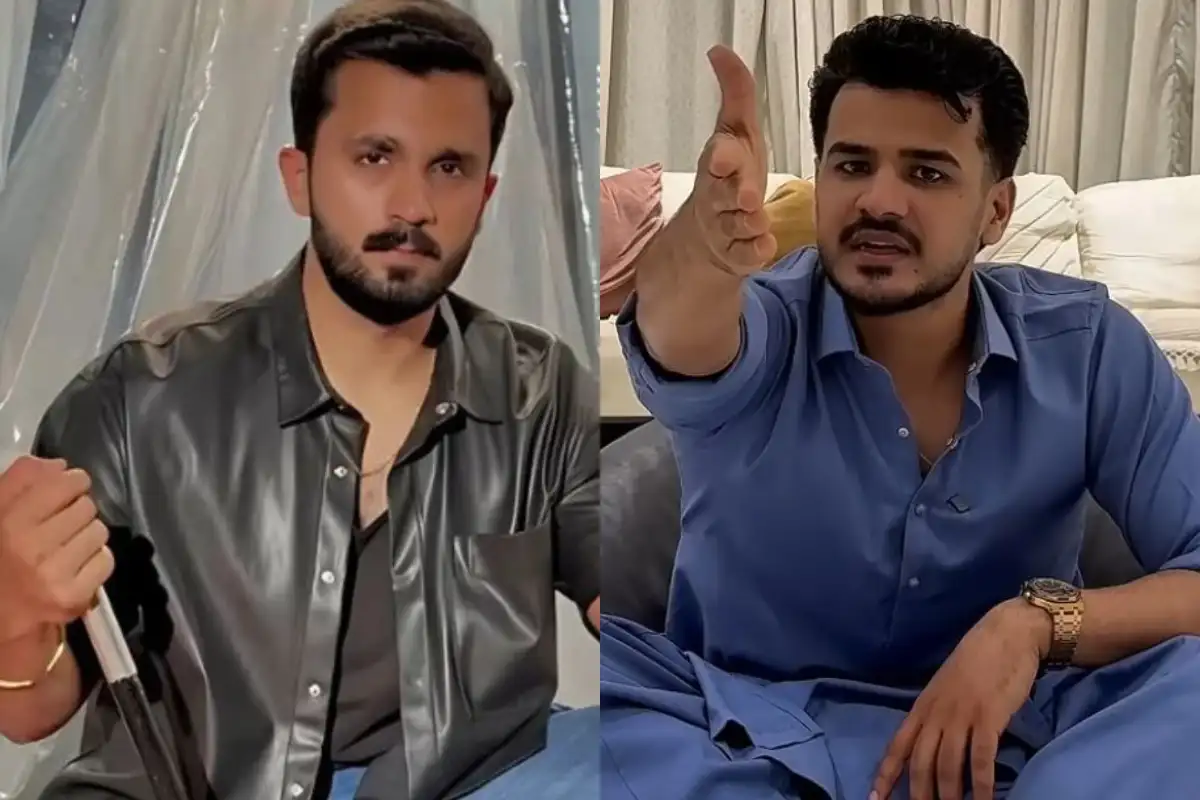
A new social media dispute involving Pakistani YouTubers Rajab Butt and Zulqarnain Sikandar has intensified after fresh commentary circulated online, reigniting debate over influencer conduct, audience targeting, and the role of monetization in driving controversies.
The conversation, shared in a talk-style clip, begins with a recap of the viral back-and-forth. The speaker claims the exchange turned aggressive and humiliating, alleging Zulqarnain’s reaction was so extreme that the other side “must not have understood what happened.” The commentary then shifts into personal attacks and mockery, including the repeated line: “Why did you get so hurt, Auntie? Are you?”
“Pendus fight” narrative and class-based commentary
In the clip, the speaker frames the feud as an example of a “Pendu” culture clash—suggesting that some creators thrive on taunts, fights, and rapid comebacks. The speaker claims Rajab Butt’s response strategy is built around knowing “how to answer back to anything,” and argues such content resonates strongly with a large section of Pakistan’s working-class audience.
The video further includes a controversial generalization about literacy and social status, claiming most viewers are drawn to aggressive Punjabi-style humor and provocative behavior. The commentary portrays this as a reason certain influencers gain traction despite repeated criticism.
Monetization and “2 million views” dispute
One of the central allegations in the clip relates to money and reach. The speaker accuses the opposing side of benefiting financially from controversy and says viewers should credit Rajab Butt’s circle for boosting performance, repeatedly referencing “2 million views.”
The clip includes a sharp warning about revenue, with the speaker claiming that if future content is made on Rajab Butt, it should not be monetized—arguing creators should not “eat money” off someone else’s name. This claim is presented as part of an ongoing view-count rivalry where both sides allegedly “weigh” each other’s numbers and collaborate only when it benefits reach.
‘Women card’ accusations and the “Aunty” insult controversy
The clip also touches on gender-based accusations. The speaker claims “women card” narratives are being used strategically and argues that language should be controlled. In the middle of the debate, the insult “Aunty” is framed as being used deliberately to demean a woman—suggesting it was treated as worse than harsher slurs in that context.
The commentary also argues that if one person uses abusive language first, the other side will respond in kind—raising a broader question about online ethics, double standards, and creator accountability.
Kamal mentioned as “Rajab’s lawyer”
A major part of the clip discusses a personality named Kamal, described in the commentary as being closely aligned with Rajab Butt. The speaker alleges Kamal has a history of working in male-dominated environments and therefore responds more harshly—“like a man”—in heated exchanges.
Haider Shah (“Pinki”) selfie claims surface again
The controversy further expands to a third personality: Haider Shah, referred to as “Pinki.” The speaker repeats Zulqarnain’s claim that Haider Shah previously chased him for selfies and questioned why a photo was not posted. The clip includes the quoted line:
“Me teri, me ra, tu rabta nahi, ke mere ko tera number nahi exchange. Me kisi direct me zindagi teri tasveer nahi li. Agar tasveer li fi alhal ke social media pe dikha menu tu Shah Rukh Khan thi. Me teri nalasveer lani san me Rajb kah rahi hai ke dekh ke chalna jahan bhi chaloge vo pagal hai. To har kispe banda yaqeen karta hai. Mil gayi resources ne la kar reach ko tham de di thi ke ab bhi aap ye dikha sakti hain picture.”
The speaker then argues that such relationships often involve mutual benefit—claiming people who once took advantage of a creator’s peak later become the ones being used when the power balance changes.
Bigger trend: controversies inserted into vlogs
Finally, the commentary claims that many Pakistani vloggers now avoid direct response videos and instead “inject” controversies into the middle or end of daily vlogs—so the content remains monetizable and draws casual viewers before switching to drama. The speaker describes it as a deliberate growth method for channels that “run on controversies.”
What happens next?
The tone of the clip suggests the dispute is ongoing, with the speaker predicting the “sequence will keep going.” As the feud continues, audiences online remain divided—some calling it calculated engagement farming, while others treat it as a serious clash of respect, class identity, and influencer culture.
Catch all the Entertainment News, Breaking News Event and Trending News Updates on GTV News
Join Our Whatsapp Channel GTV Whatsapp Official Channel to get the Daily News Update & Follow us on Google News.
Must Read
Entertainment
Lauren Conrad and Kristin Cavallari End Feud: Tracing the History and Reconciliation
28-March،2026