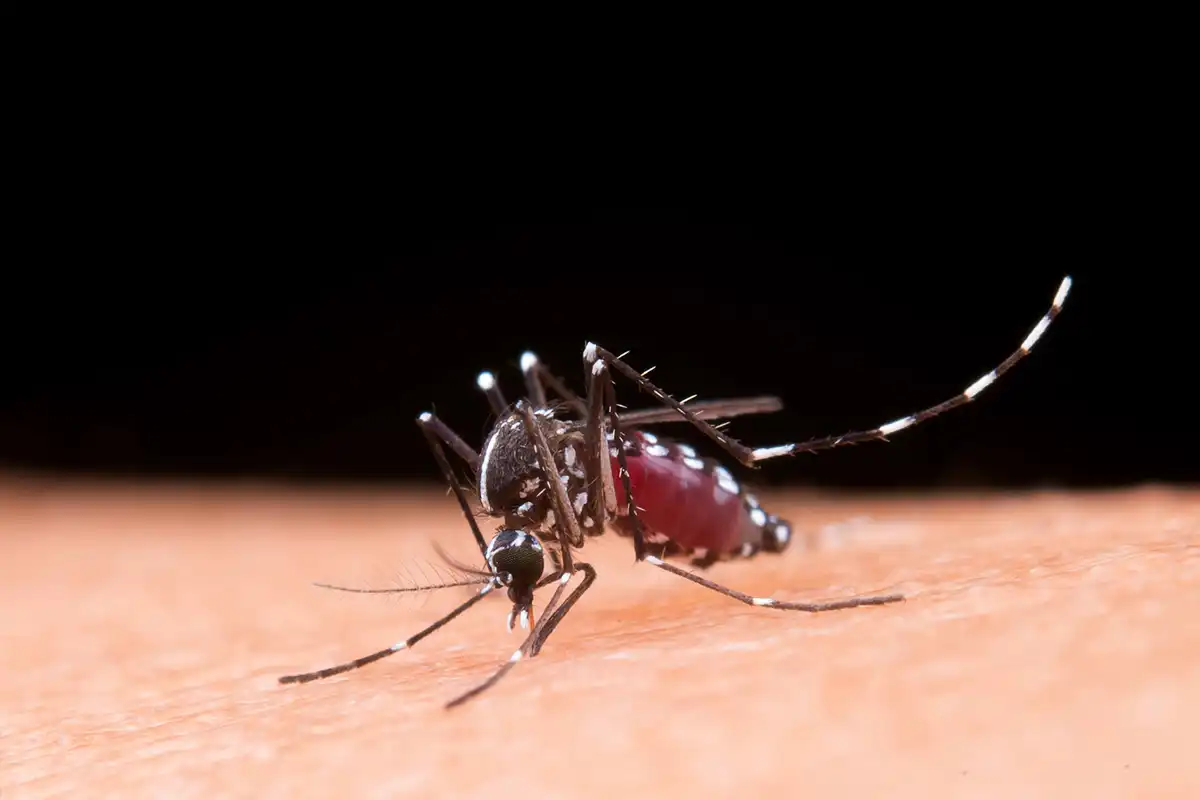

Pakistan orders strict screening of travelers to prevent Nipah virus spread

Web Desk
29 January, 2026 10:35
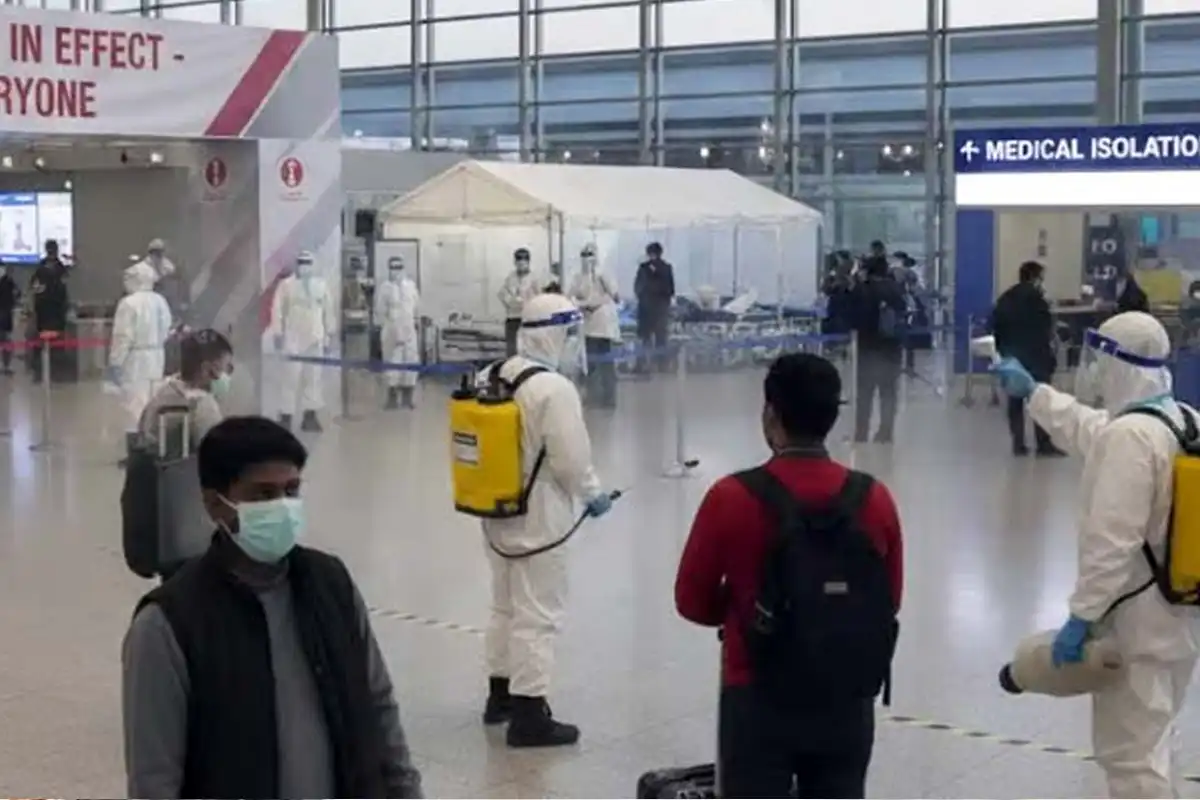
Pakistan orders strict screening of travellers to prevent Nipah virus spread
Pakistan introduced strict health screening measures at all entry points. The decision came after two confirmed cases of the Nipah virus in India’s West Bengal.
The Ministry of National Health Services, Regulations and Coordination issued a nationwide advisory. It aims to prevent the virus from entering Pakistan.
According to the advisory, no traveller will be allowed to enter Pakistan without clearance from Border Health Services–Pakistan.
The ministry said the step was taken after regional alerts reported suspected Nipah cases in India. The warning was also highlighted in the WHO South-East Asia Epidemiological Bulletin (January 2026).
Officials cited the virus’s high fatality rate, animal-to-human transmission, and potential for limited human spread as major concerns.
The health ministry ordered enhanced surveillance at all points of entry. These include international airports, seaports, and land crossings.
Authorities directed 100% screening of passengers, transit travellers, airline crew, ship staff, drivers, helpers, and support personnel.
All travellers must provide their full travel history for the past 21 days. This rule applies to everyone, regardless of nationality.
Extra attention will be given to travellers arriving from or passing through Nipah-affected regions.
Officials warned that false declarations will be documented and reported immediately.
Every traveller will undergo thermal screening and clinical assessment at entry points.
Screening staff have been instructed to watch for symptoms such as fever, headache, breathing issues, confusion, or drowsiness.
Suspected cases will be isolated immediately. They will be managed under strict infection prevention and control protocols.
Patients will be shifted to designated isolation units or tertiary care hospitals. Affected vehicles and surrounding areas will be disinfected under approved standard operating procedures.
The ministry stressed the strict use of PPE, hand hygiene, and environmental sanitation. Any negligence will be treated as a serious violation.
Daily screening reports from all entry points will be recorded in the BHS-P system. These reports will be shared with the National Command and Operation Centre (NCOC) and the National IHR Focal Point.
The advisory said the measures will remain in force until further notice.
Other countries in the region have also taken action. Singapore, Hong Kong, Thailand, and Malaysia have introduced airport temperature checks and screening protocols.
Authorities are working to prevent the virus from spreading beyond India.
What Is Nipah Virus?
Nipah is a rare but deadly virus. It mainly spreads from infected animals, especially fruit bats, to humans.
The World Health Organisation classifies Nipah as a priority pathogen. It has a fatality rate of 40% to 75%, depending on healthcare capacity.
How Nipah Spreads
The virus often spreads through contaminated fruit or raw date palm juice exposed to bat saliva or urine.
Human-to-human transmission can occur but is limited. It usually happens after close contact with infected patients.
Symptoms of Nipah Virus
Early symptoms include fever, headache, and muscle pain. These can be mistaken for common illnesses.
Severe cases may develop brain inflammation, breathing problems, seizures, and coma. Some survivors face long-term neurological issues.
Is a Vaccine Available?
There is currently no approved vaccine or treatment for Nipah.
However, several vaccine candidates are under testing. One developed by Oxford University entered Phase II trials in Bangladesh in December, with support from CEPI.
Catch all the Health News, Breaking News Event and Trending News Updates on GTV News
Join Our Whatsapp Channel GTV Whatsapp Official Channel to get the Daily News Update & Follow us on Google News.
Must Read