
Indian-Occupied Kashmir: Life Under Prolonged Military Control and the Growing International Concern

Web Desk
05 February, 2026 10:08
Indian-Occupied Kashmir: Life Under Prolonged Military Control and the Growing International Concern
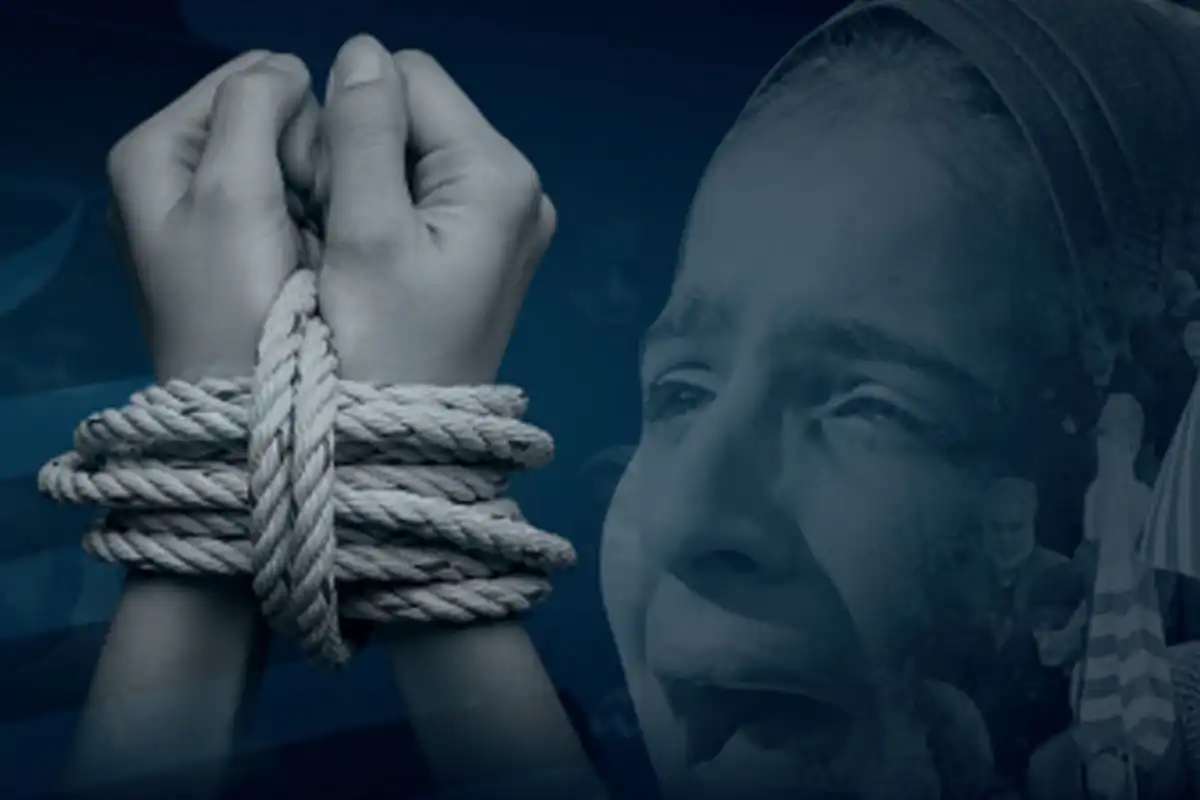
Indian Illegally Occupied Jammu and Kashmir (IIOJK) remains one of the most heavily militarised and politically contested regions in the world, decades after the issue was first placed before the United Nations. Despite repeated assurances from New Delhi that the situation is “normal” and “internal,” a growing body of evidence from international organisations, journalists, and rights groups paints a sharply different picture — one of sustained repression, curtailed freedoms, and deepening humanitarian distress.
For Pakistan and the Kashmiri people, the issue is not merely political but existential, rooted in UN Security Council resolutions that recognise the right of Kashmiris to determine their own future.
A Region Under Constant Military Presence
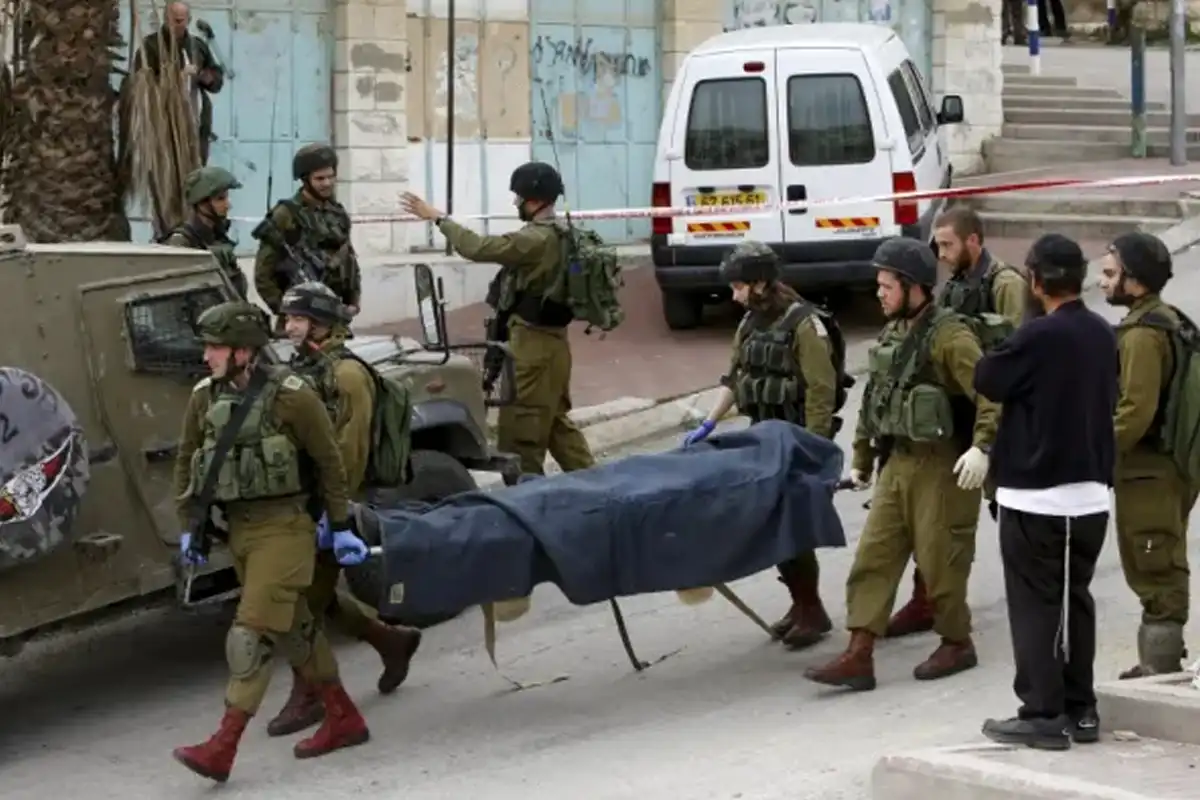
Indian-administered Kashmir has long witnessed a heavy deployment of security forces, but since August 2019, the scale and visibility of militarisation have intensified. Estimates suggest that between 800,000 and 900,000 Indian troops are stationed across the region, making it one of the most militarised civilian areas globally.
Residents describe daily life as being shaped by checkpoints, armed patrols, surveillance cameras, and frequent cordon-and-search operations. Movement between towns and villages is often restricted, particularly during periods of heightened tension, while night raids have become a recurring feature, instilling fear among families.
Human rights observers argue that such militarisation goes far beyond legitimate security needs and instead reflects a policy of population control.
Legal Frameworks Enabling Arbitrary Detention
India’s use of stringent laws in Kashmir has drawn sustained criticism from international legal experts. The Public Safety Act (PSA) allows authorities to detain individuals for up to two years without formal charges or trial. Similarly, the Unlawful Activities (Prevention) Act (UAPA) has been widely applied to journalists, activists, students, and political workers.
Families of detainees often report being denied access to legal counsel or information about where their relatives are being held. UN Special Rapporteurs have repeatedly described these detentions as arbitrary, warning that such practices undermine the rule of law and violate international human rights conventions.
Indian authorities maintain these laws are necessary to combat militancy, a claim disputed by rights organisations who argue they are used primarily to silence dissent.
Demolitions and Collective Punishment
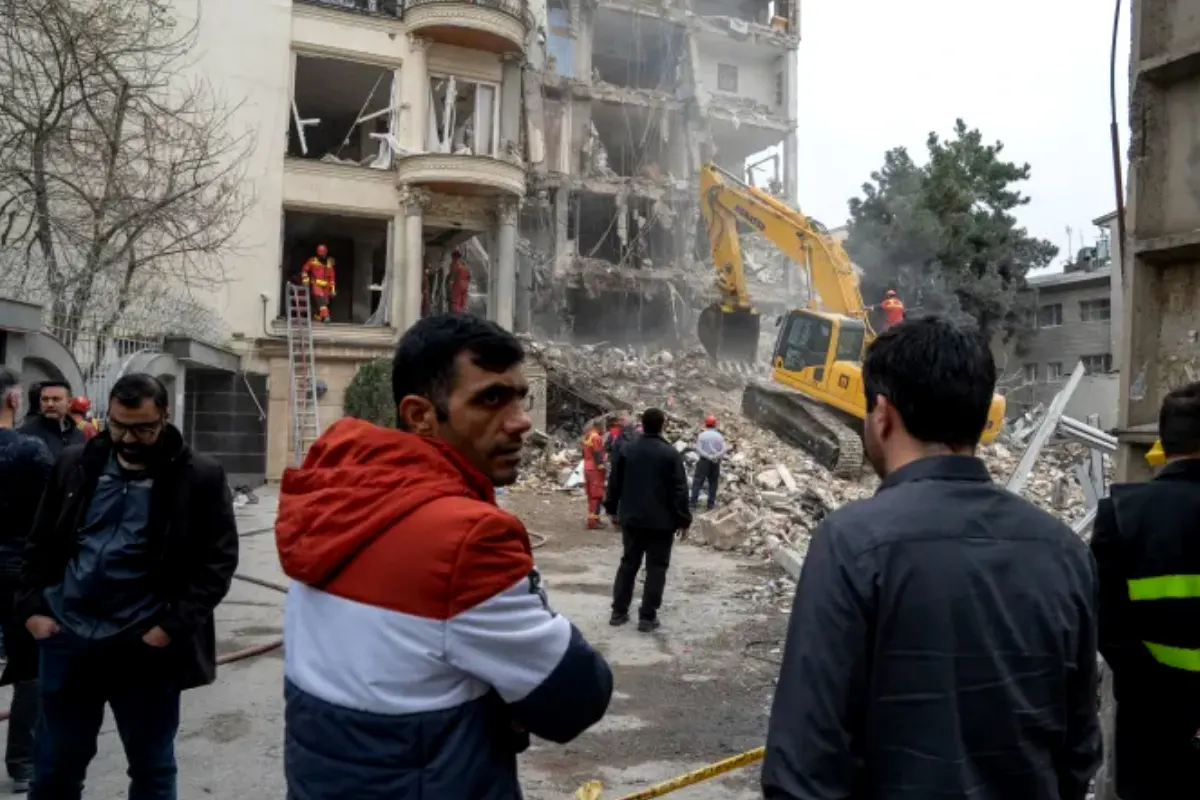
In recent years, Indian authorities have increasingly resorted to home demolitions, often described as anti-encroachment measures. However, residents and legal experts note that many demolitions take place without due notice or judicial process.
Entire families have been rendered homeless, sometimes following allegations against a single individual. International humanitarian law explicitly prohibits collective punishment, yet critics say the pattern of demolitions in Kashmir reflects a punitive strategy rather than lawful governance.
For many Kashmiris, bulldozers have come to symbolise fear rather than development.
Press Freedom Under Severe Strain
Journalism in Indian-administered Kashmir operates under intense pressure. Reporters face police questioning, raids on newsrooms, and the threat of arrest for stories deemed critical of the authorities.
Several journalists, including Asif Sultan, Fahad Shah, and Irfan Mehraj, have spent extended periods in detention. International media watchdogs such as Reporters Without Borders and the Committee to Protect Journalists have warned that Kashmir is rapidly becoming a media “black hole,” where independent reporting is systematically discouraged.
Without a free press, critics argue, abuses remain hidden and accountability becomes impossible.
Digital Restrictions and Surveillance
The communications blackout imposed after August 2019 — lasting over 213 days — marked a turning point in digital repression. Although full shutdowns are now less frequent, internet speed throttling, temporary bans, and extensive surveillance remain common.
Students report missing examinations and online classes, while businesses reliant on digital services struggle to survive. Rights groups argue that restricting internet access in this manner violates freedom of expression and access to information, fundamental rights recognised under international law.
Restrictions on Religious Freedom
Religious life in Kashmir has also been affected. Major mosques, including Jamia Masjid Srinagar, have faced repeated closures or heavy restrictions, particularly during Friday prayers and religious occasions.
Islamic sermons are reportedly monitored, and religious leaders have been detained under preventive laws. Processions marking Muharram and other significant events are often restricted or banned altogether.
For many Kashmiris, these measures are seen as part of a broader attempt to suppress Muslim identity in the region.
Impact on Women and Children
Women and children have borne a disproportionate share of the consequences of prolonged unrest and militarisation. Frequent school closures, curfews, and internet shutdowns have disrupted education for thousands of students.
Human rights groups report cases of women facing harassment during search operations and night raids. Prolonged detentions and extrajudicial killings have left many households headed by widows, forcing women to navigate economic hardship under constant surveillance.
Psychologists warn that the long-term trauma experienced by Kashmiri children may have lasting generational effects.
Economic Decline and Livelihood Losses
Kashmir’s economy has suffered significant setbacks due to repeated lockdowns, travel restrictions, and communication disruptions. Tourism — once a major source of income — has declined sharply during periods of unrest.
Apple growers, traders, and small business owners report losses running into millions of dollars. Analysts argue that economic pressure has become another lever of control, weakening the population’s ability to resist political marginalisation.
Growing International Scrutiny
Between late 2024 and 2025, international attention on Kashmir intensified. UN human rights experts raised concerns over demolitions, mass detentions, and restrictions on civil liberties. Several global NGOs urged India to allow independent investigations and restore fundamental freedoms.
Despite this, India has largely dismissed international criticism, maintaining that Kashmir is an internal matter — a position rejected by Pakistan and challenged by the existence of UN resolutions on the dispute.
Pakistan’s Position and Diplomatic Efforts
Pakistan has consistently raised the Kashmir issue at the United Nations, the Organisation of Islamic Cooperation (OIC), and other international forums. Islamabad argues that peace in South Asia is impossible without a just resolution of Kashmir in accordance with the wishes of its people.
Pakistani leaders continue to describe Kashmir as an unfinished agenda of Partition and a core national issue, stressing diplomatic, political, and moral support for the Kashmiri struggle.
A Dispute That Refuses to Fade
Indian-occupied Kashmir today stands at the intersection of geopolitics, human rights, and international law. While India asserts control through military and legal measures, resistance persists in the form of political aspiration and global advocacy.
For Kashmiris, the demand remains unchanged: the right to decide their own future. For Pakistan, silence is not an option. And for the international community, the challenge remains whether to continue looking away or to confront a crisis that has endured for more than seven decades.
Catch all the Pakistan News, Breaking News Event and Trending News Updates on GTV News
Join Our Whatsapp Channel GTV Whatsapp Official Channel to get the Daily News Update & Follow us on Google News.
Must Read