
IMF Reviews Pakistan’s New Electricity Tariff Plan as Inflation Risks Rise

Web Desk
14 February, 2026 10:05
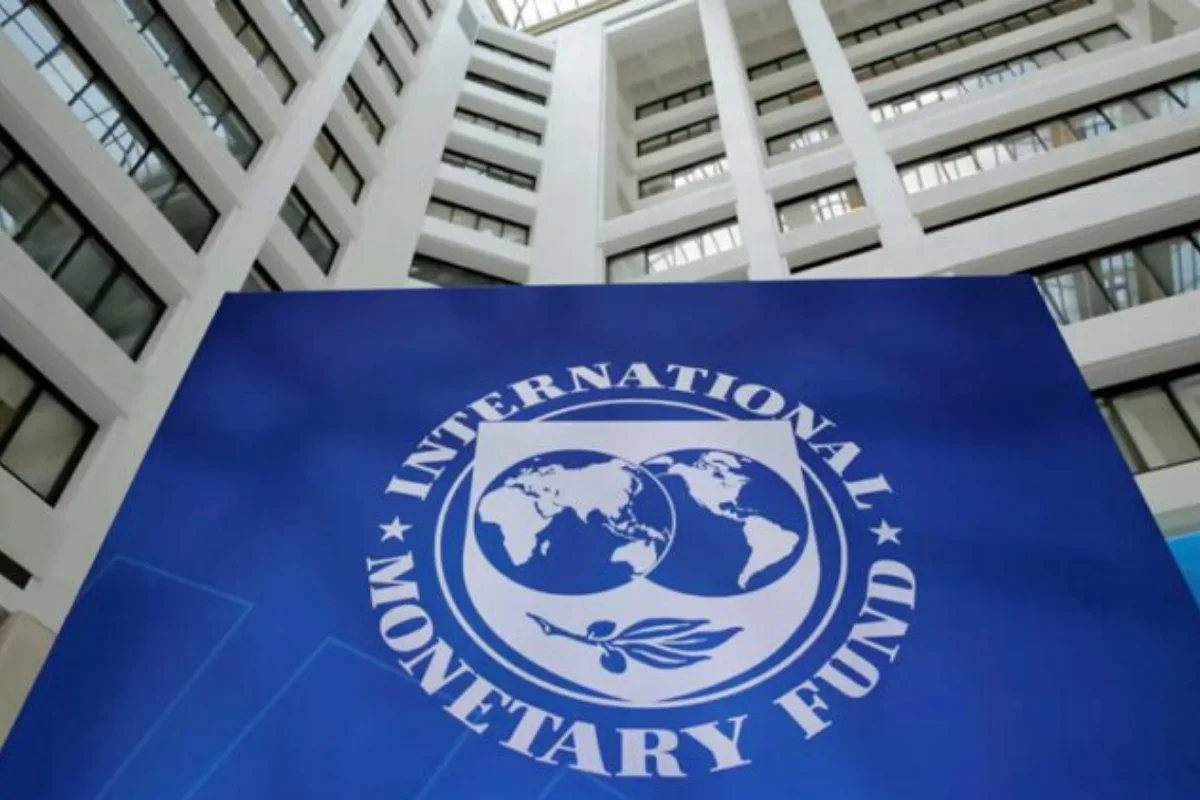
IMF praises Pakistan’s economic reforms ahead of Feb 25 review
Saturday, February 14, 2026 — The International Monetary Fund (IMF) has started discussions with Pakistan over proposed electricity tariff changes, warning that the burden should not fall on middle- and low-income households.
In a statement given to Reuters, the IMF said it is reviewing whether the new power tariffs match programme commitments. The fund is also assessing the possible impact on inflation and overall economic stability.
IMF Conditions Linked to $7 Billion Loan
Pakistan is currently operating under a $7 billion Extended Fund Facility (EFF).
This programme is meant to fix long-term economic problems and reduce balance-of-payments pressure.
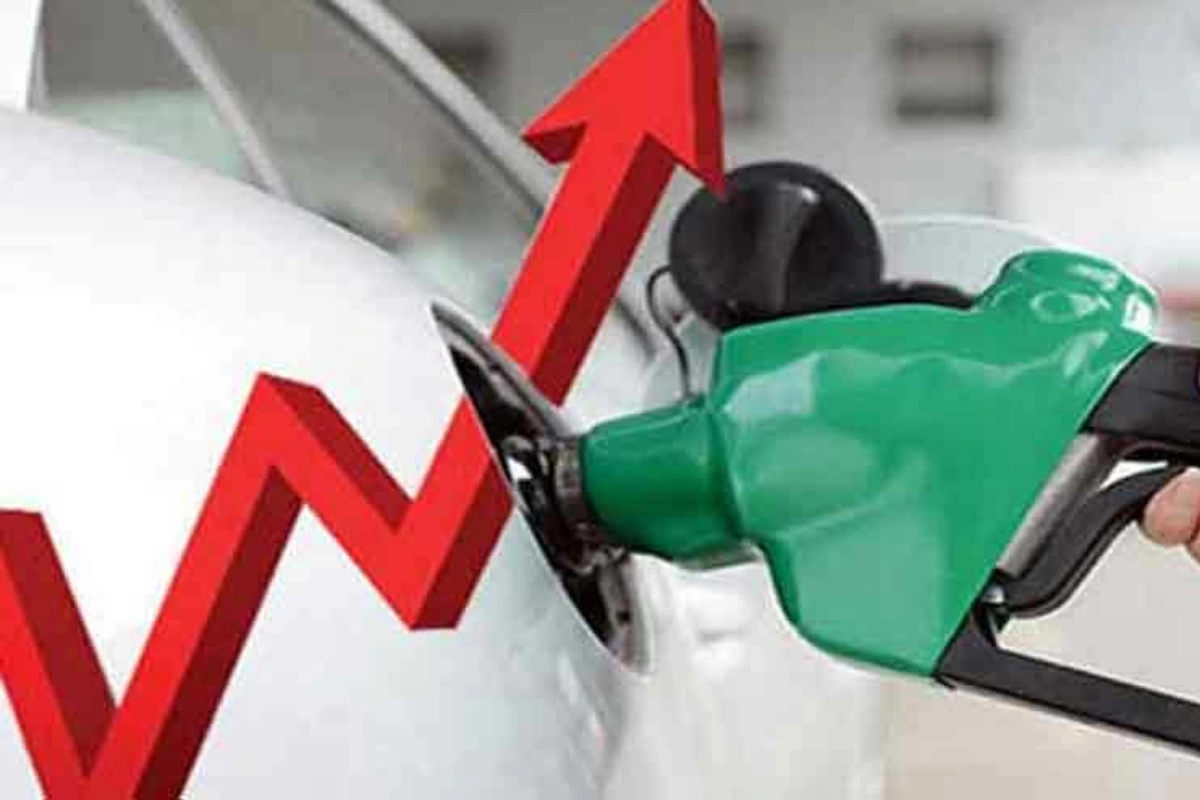
The federal government recently announced a major electricity pricing overhaul. Analysts believe the move will reduce costs for industries but raise inflation for households.
Electricity prices carry heavy weight in Pakistan’s inflation index. Even small increases can push overall prices higher.
Inflation Still a Sensitive Issue
Pakistan suffered one of Asia’s worst inflation crises in 2023. Inflation almost touched 40% due to a weak rupee, higher fuel costs, and IMF-backed reforms.
Although inflation has now slowed to 5.8%, experts warn that new power tariffs could reverse recent gains.
The IMF said Pakistan’s power sector circular debt remains within programme limits. This is due to better bill recovery and lower transmission losses.
Middle-Class Faces Higher Bills
The new plan removes cross-subsidies where businesses helped cover household electricity costs.
According to analysts at Optimus Capital Management, inflation could rise by 1.1 percentage points over the next year.
Industrial electricity prices may fall by 13% to 15%, while government subsidies worth Rs102 billion will be removed.
However, middle-income households may see electricity bills jump by nearly 50%.
Fixed Charges Hit Majority of Users
Consumers using 100 to 300 units per month will be the hardest hit.
Their rates could increase by up to 76% due to new fixed charges.
The poorest households, using 1 to 100 units, will also be affected.
According to National Electric Power Regulatory Authority (NEPRA), fixed charges for this group will rise to Rs400, from zero.
Solar Power Policy Sparks Concern
NEPRA has also reduced the rate paid to rooftop solar users who sell electricity back to the grid.
Earlier, solar users were paid the same rate they paid for electricity.
That system has now been replaced.
Solar adoption has surged across Pakistan. While it helped cut emissions and household bills, it reduced revenue for already debt-burdened power companies.
Prime Minister Orders Review
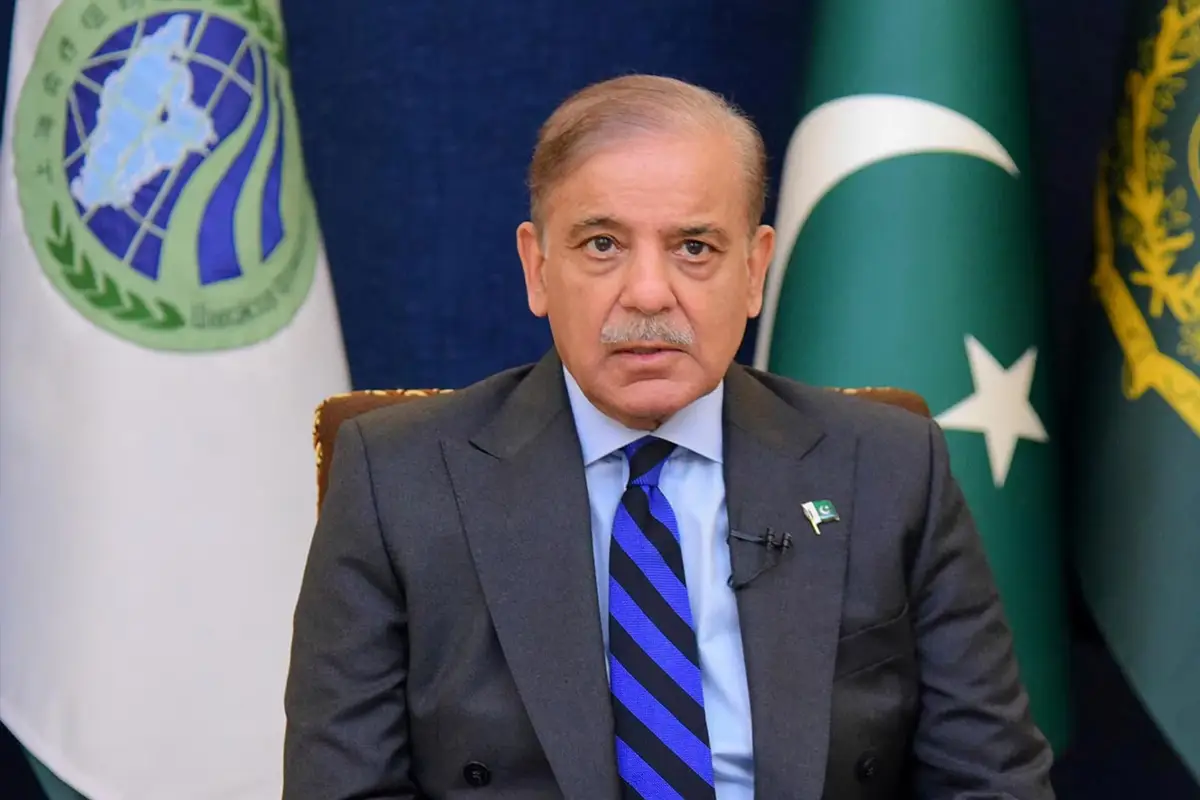
Prime Minister Shehbaz Sharif has ordered a review of the new solar policy.
He directed officials to ensure costs are not unfairly shifted from 466,000 solar users to 37.6 million grid consumers.
Energy consultancy Arzachel warned that high fixed charges could push users to fully disconnect from the grid, threatening long-term system stability.
Industry vs Household Pressure
Industrial groups support the plan. They say lower power prices will improve export competitiveness, especially in textiles and manufacturing.
Households, however, fear higher bills at a time when purchasing power has already weakened.
Energy experts say the pricing overhaul highlights the tension between IMF conditions and public affordability.
Catch all the Pakistan News, Breaking News Event and Trending News Updates on GTV News
Join Our Whatsapp Channel GTV Whatsapp Official Channel to get the Daily News Update & Follow us on Google News.
Must Read