
Revocation of Article 370 Was a Systematic Effort to End Kashmir’s Special Status: Farooq Kirmani

Syed Abdul Qayyum Bukhari
19 February, 2026 14:58
Revocation of Article 370 Was a Systematic Effort to End Kashmir’s Special Status: Farooq Kirmani
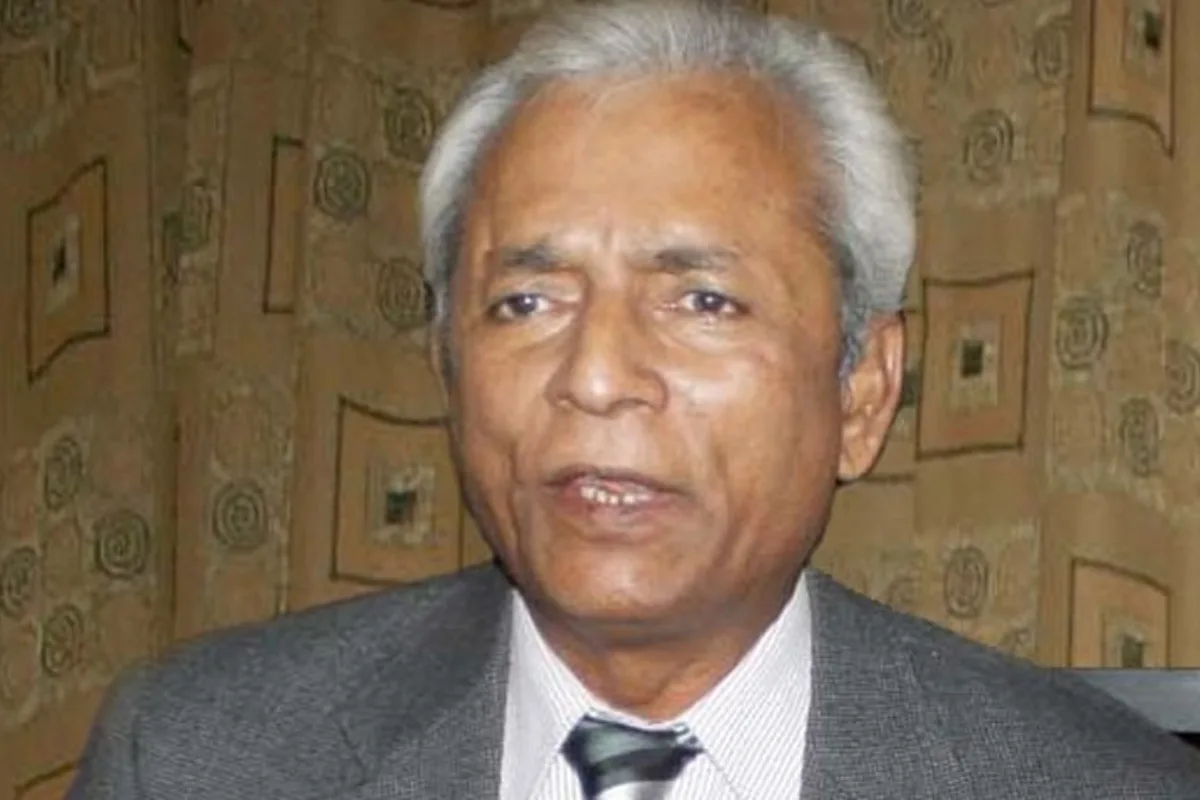
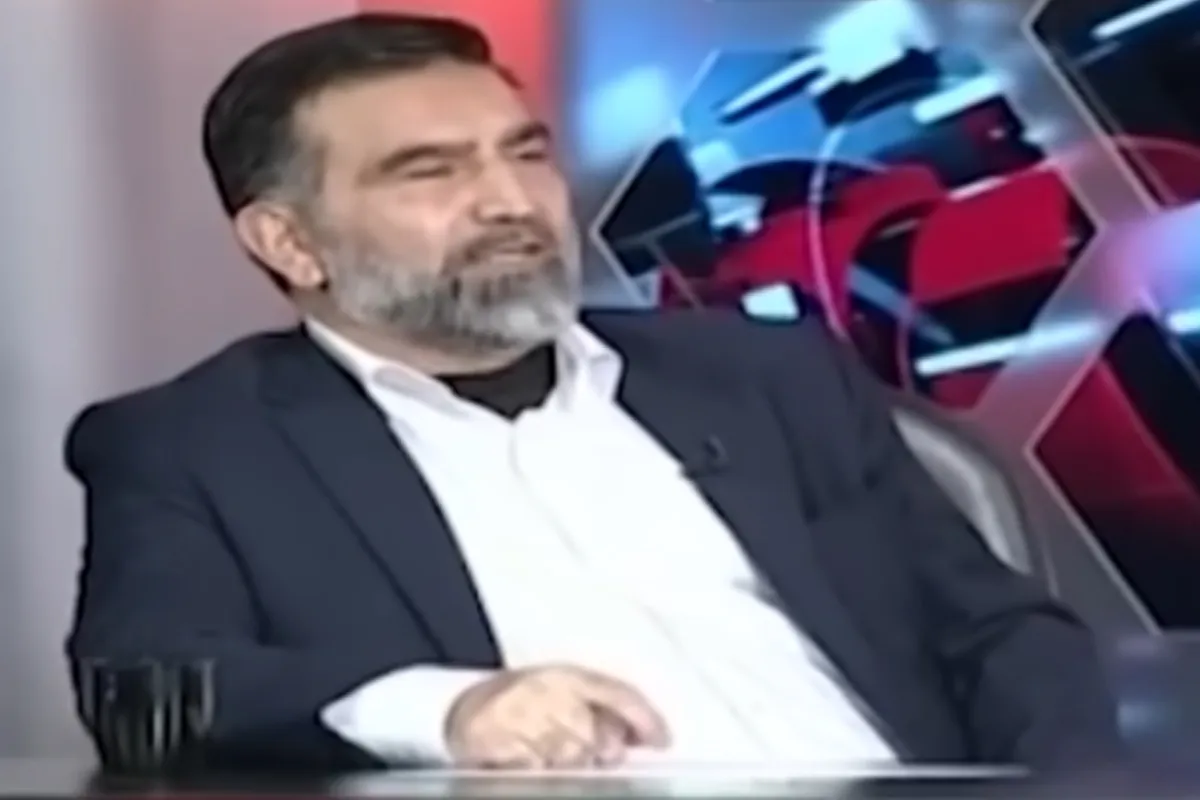
Islamabad, February 19, 2026 – Former Additional Secretary of Indian Illegally Occupied Jammu and Kashmir (IIOJK), Khawaja Farooq Kirmani, has termed the revocation of Article 370 a deliberate and systematic move by India to dismantle Kashmir’s special constitutional identity and fully integrate the region into its federal framework.
In an interview with a private television channel, Kirmani said the unilateral step formed part of a broader strategy to erode the region’s autonomy and shift administrative and political authority to New Delhi. He argued that local governance structures in IIOJK had been progressively weakened over time.
Questions Over Instrument of Accession
Kirmani also raised concerns regarding the Instrument of Accession, claiming it lacked certain formal legal requirements. He noted that, unlike accession documents of other princely states, it did not bear an official state seal and contained what he described as a contested handwritten date alongside the signature of Lord Mountbatten.
Administrative Changes and Local Autonomy
According to Kirmani, even prior to the revocation of Article 370 in 2019, many of its provisions had effectively been diluted. He stated that key district-level administrative posts, including Deputy Commissioners and Superintendents of Police, were increasingly filled by non-locals, placing administrative control in outside hands.
He contrasted this with governance structures in Azad Jammu and Kashmir, which he said include locally appointed deputy commissioners, an elected President and Prime Minister, and an independent judiciary. In comparison, he noted that the Supreme Court in IIOJK had been redesignated as a High Court, while the positions of President and Prime Minister were replaced with a centrally appointed Governor and Chief Minister.
Kirmani further claimed that the current elected assembly lacks meaningful authority, citing statements by local leadership acknowledging limited powers.
Demographic and Identity Concerns
Kirmani alleged that policy changes following the revocation of Article 370 reflect a broader attempt to alter the demographic composition of the Muslim-majority region. He pointed to amendments in residency laws, appointment of non-locals to senior positions, and changes to local employment structures as measures that could impact the region’s demographic balance.
He also referenced changes to the observance of certain historical days and traditions, describing them as part of efforts to reshape the region’s political and cultural identity.
Broader Regional Implications
Kirmani argued that developments in IIOJK have broader implications for Muslims in India. He expressed the view that regional dynamics between India and Pakistan influence policy decisions in Kashmir and affect the wider Muslim community in India.
The revocation of Article 370 in August 2019 marked a significant constitutional and political shift in Jammu and Kashmir, reorganizing the former state into two union territories under direct federal control. The move continues to generate debate and differing perspectives at regional and international levels.
Catch all the Pakistan News, Breaking News Event and Trending News Updates on GTV News
Join Our Whatsapp Channel GTV Whatsapp Official Channel to get the Daily News Update & Follow us on Google News.
Must Read