

Govt Introduces QR-Powered National ID System Under ‘One Nation – One Identity’ Vision

Web Desk
25 February, 2026 10:10
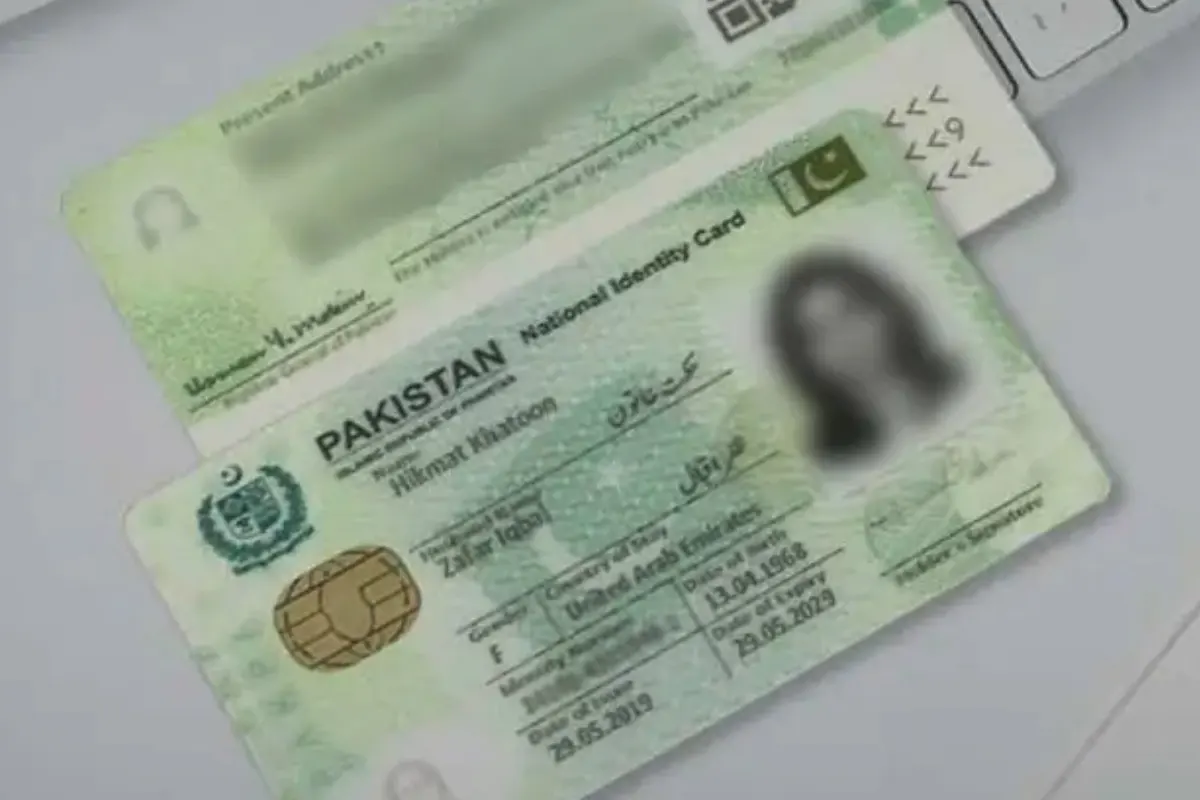
NADRA warns of penalty for late ID card renewal
ISLAMABAD: The federal government has officially upgraded the National Identity Card (NIC) and Pakistan Origin Card (POC) systems as part of its “One Nation – One Identity” initiative, introducing QR-based verification and enhanced biometric security features.
The amendments were issued through S.R.O. 330(I)/2026 and S.R.O. 331(I)/2026 and published in the official Gazette on February 24, 2026. The reforms modernize Pakistan’s identity framework with advanced security, improved fraud prevention, and greater citizen facilitation.
A key feature of the updated system is the formal introduction of Quick Response (QR) codes on identity documents. The QR code is defined as a secure, machine-readable two-dimensional barcode that stores encoded identity information and allows instant verification through scanning. Authorities have also authorized the use of “QR code or any other technological feature,” allowing the system to adapt to future innovations without repeated legal amendments.
Under the new framework, citizens will now carry a single, uniform identity card, replacing the previous chip-based and non-chip formats. The QR-enabled architecture strengthens Pakistan’s digital identity ecosystem and integrates with the National Data Exchange Layer for faster online and offline verification, quicker service delivery, and reduced risk of fraud or impersonation.
Fraud prevention measures have also been strengthened. If an identity card is suspended, all related verification and authentication services will automatically be blocked, preventing misuse of the suspended credential across digital and institutional platforms.
Biometric security has been upgraded with fingerprints and iris scans officially recognized as authentication methods. This move reinforces multi-modal biometric identification to enhance identity protection and digital trust.
In a major facilitation step, citizens aged 60 and above, including overseas Pakistanis, will receive lifetime-validity ID cards featuring a distinct senior citizen logo. This eliminates the need for repeated renewals and simplifies services for elderly citizens.
The amendments also introduce standardized identification for residents of Azad Jammu and Kashmir (AJK), requiring specific inscriptions to clearly define residency status on their cards.
Additionally, updated specimen formats have been introduced for all major ID categories, including resident citizens, overseas Pakistanis, persons with disabilities, child registration certificates, organ donors, combined categories, and AJK residents. All new formats incorporate QR-based security and a unified design system.
The 2026 reforms significantly strengthen Pakistan’s national identity infrastructure by enhancing digital security, enabling real-time verification, reducing fraud risks, and improving public service delivery through a modern and interoperable identity architecture.
Catch all the Pakistan News, Breaking News Event and Trending News Updates on GTV News
Join Our Whatsapp Channel GTV Whatsapp Official Channel to get the Daily News Update & Follow us on Google News.
Must Read