
Pakistan raises concerns over India-Canada uranium deal

Web Desk
05 March, 2026 16:24
Pakistan raises concerns over India-Canada uranium deal
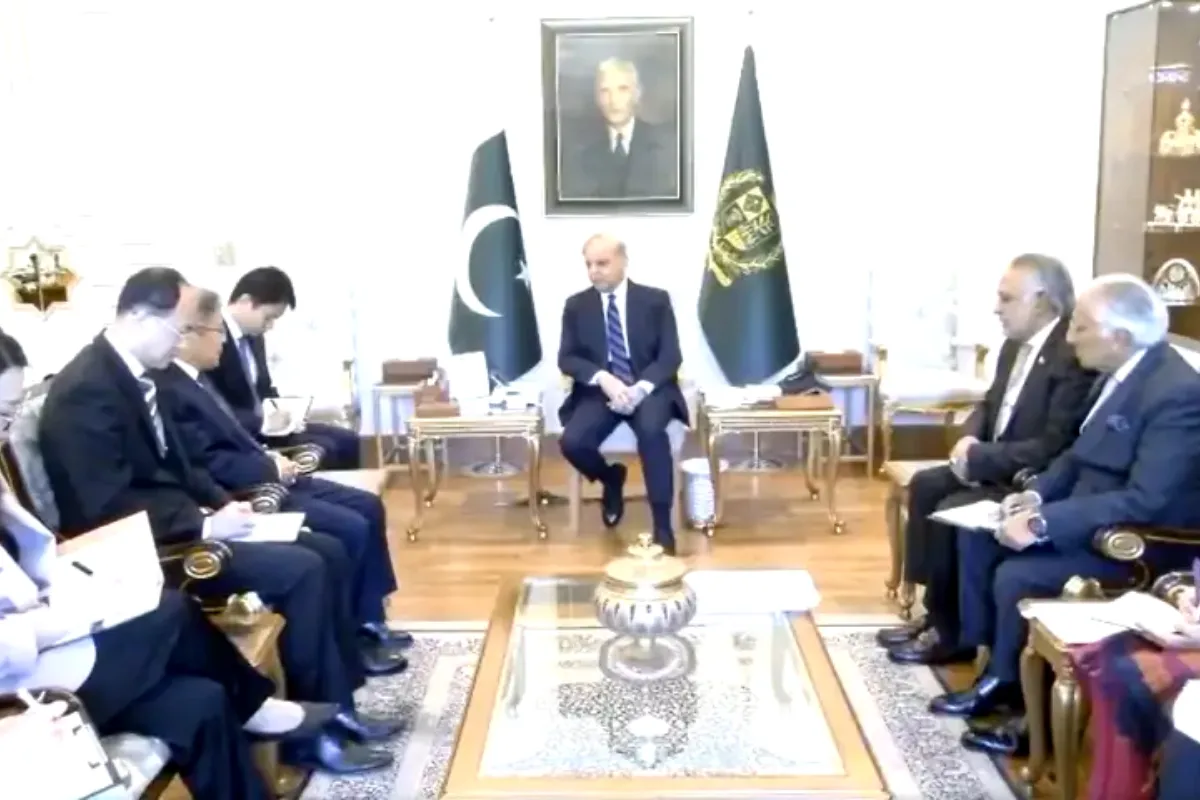
Pakistan on Thursday expressed concern over a uranium supply agreement between India and Canada, warning that the deal could affect regional stability and the global non-proliferation regime.
The reaction came after Canadian Prime Minister Mark Carney visited New Delhi, where he and Indian Prime Minister Narendra Modi agreed to strengthen economic and strategic cooperation, including civil nuclear collaboration.
During the visit, both countries announced plans to finalize a free trade agreement by the end of this year and set a target to raise bilateral trade to $50 billion by 2030, up from nearly $9 billion in 2024-25.
🔊PR No.6️⃣1️⃣/2️⃣0️⃣2️⃣6️⃣
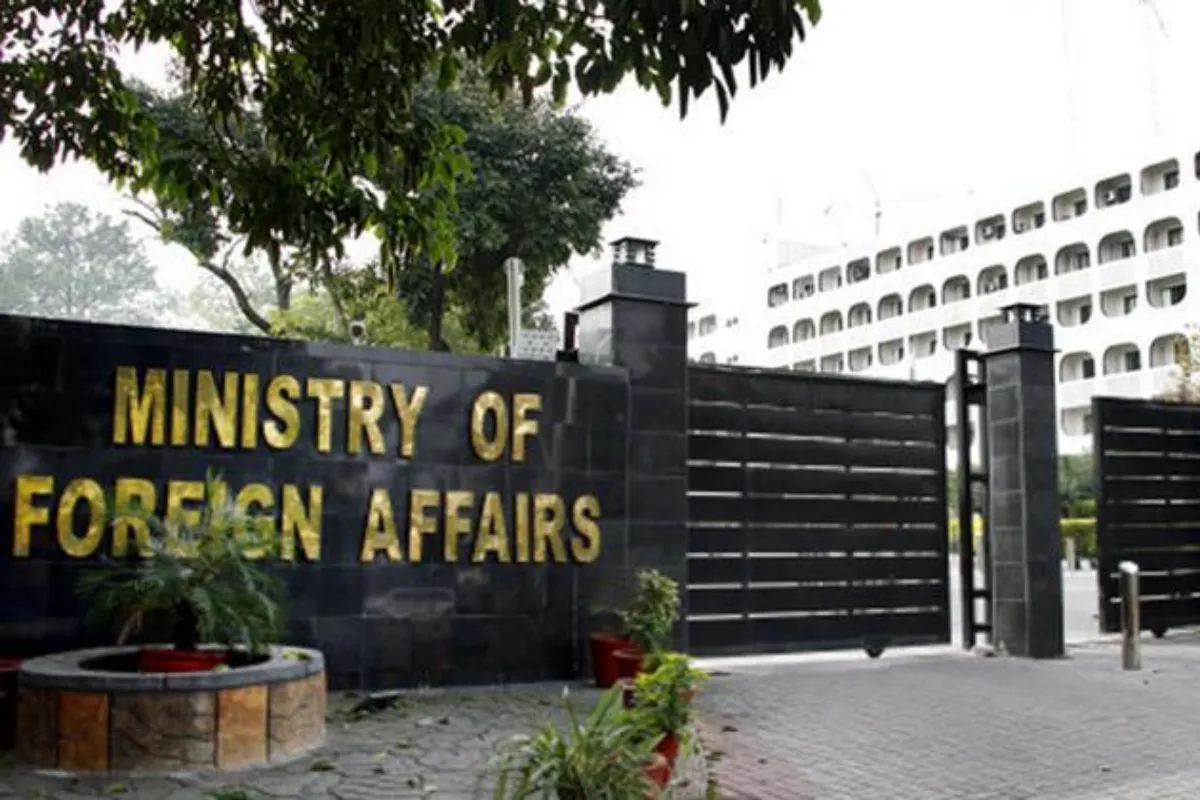
Statement by Spokesperson @TahirAndrabi on Uranium Supply Agreement between Canada and India.
🔗⬇️https://t.co/Oato72mnUD pic.twitter.com/RR4jzaHxKj
— Ministry of Foreign Affairs – Pakistan (@ForeignOfficePk) March 5, 2026
They also signed a C$2.6 billion uranium supply agreement and agreed to cooperate on developing small modular reactors and advanced nuclear technologies. Modi called it a landmark deal for India’s civil nuclear energy program, while Carney said it would support India’s clean and reliable power goals.
In response, Pakistan’s Foreign Office spokesperson Tahir Andrabi said the uranium supply deal and broader nuclear cooperation raised serious concerns. He noted that India’s 1974 nuclear test had used plutonium from a Canadian-supplied reactor, which had led to the creation of the Nuclear Suppliers Group. He called it ironic that India was now being granted preferential nuclear access.
The spokesperson also highlighted that not all Indian civilian nuclear facilities are under International Atomic Energy Agency (IAEA) safeguards, and it is unclear whether the new agreement includes enforceable non-proliferation assurances.
Pakistan warned that guaranteed external uranium supplies could allow India to use domestic reserves for military purposes, potentially increasing its nuclear arsenal. Such developments, the FO said, could deepen strategic imbalances in South Asia and undermine Canada’s commitment to non-proliferation.
Reiterating its position, Pakistan emphasized that civil nuclear cooperation should be non-discriminatory and based on international criteria, especially for countries not part of the Treaty on the Non-Proliferation of Nuclear Weapons (NPT). Selective agreements, it said, weaken global non-proliferation efforts and threaten regional and international peace.
Catch all the Pakistan News, Breaking News Event and Trending News Updates on GTV News
Join Our Whatsapp Channel GTV Whatsapp Official Channel to get the Daily News Update & Follow us on Google News.
Must Read