
150 banned JAAC members placed on Fourth Schedule

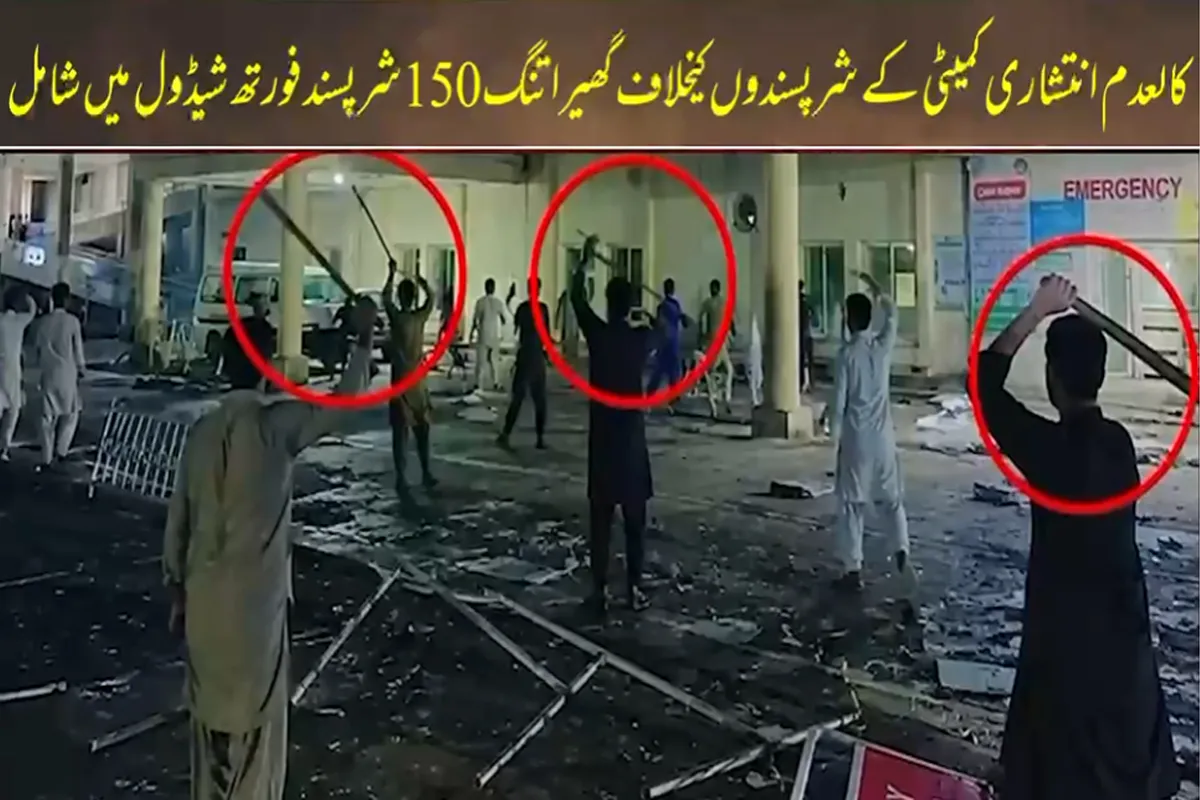
Azad Jammu and Kashmir’s designation of 150 alleged militants under the Fourth Schedule represents the largest single counterterrorism action in the territory’s recent history—and possibly its most revealing failure. When governments resort to mass bureaucratic categorization rather than targeted prosecutions, they’re typically administering a security strategy that’s breaking down rather than consolidating control.
The Fourth Schedule mechanism itself warrants scrutiny. Designed to restrict movement, freeze assets, and monitor designated individuals, it operates as administrative detention wrapped in legal language. Unlike criminal convictions requiring evidence and judicial process, Fourth Schedule listings depend on executive determination—a classification that permits surveillance and restrictions with minimal transparent review. The AJK government’s designation of 150 individuals simultaneously demonstrates both operational urgency and procedural shortcuts that international human rights organizations typically flag as governance red flags.
The geographic distribution tells a crucial story. Poonch’s 36 designations, Sidhkot’s 31, and concentrated clusters in Mirpur, Kotli, and Bhamdher suggest the banned Joint Action Committee maintains structured regional presence despite years of stated suppression. That level of organizational persistence indicates either systematic underestimation of the group’s resilience or deliberate tolerance of low-level activity as a security management tool. Regional insurgencies in Kashmir have historically benefited from government neglect or tacit acceptance when suppression becomes politically costly.
The inclusion of named leaders—Shaukat Nawaz, Raja Amjad, Anjum Zaman, Raja Shauib—signals operational targeting, but raises questions about why prosecution rather than designation wasn’t pursued if evidence justifies such serious claims. Fourth Schedule listing provides immediate containment without courtroom scrutiny. Criminal prosecution requires evidence disclosure, potential acquittals, and reputational risks to security agencies if cases collapse. Administrative designation avoids these complications.
Historical precedent in Kashmir demonstrates the limitations of this approach. Mass designations in 2016-2019 failed to prevent subsequent militant recruitment surges. Individuals restricted under Fourth Schedule often maintain operational influence through proxies and encrypted communications. The bureaucratic act of listing creates the appearance of action without addressing underlying grievance structures that sustain insurgent recruitment.
The stated “zero tolerance” policy against the Joint Action Committee glosses over Kashmir’s brutal reality: militant organizations survive through community tolerance, ideological commitment, and genuine grievances that administrative restrictions cannot address. When governments respond to insurgency primarily through designation and monitoring rather than addressing root causes—economic marginalization, governance failures, political exclusion—they typically entrench rather than resolve conflict.
AJK’s cabinet approval of these designations occurred without public debate or independent verification mechanisms. The lack of transparent criteria for listing raises concerns among human rights monitors about mission creep and potential misuse for political opposition targeting. Kashmir’s history includes documented cases of security designation weaponized against political activists and journalists.
The practical effect remains unclear. Will these 150 individuals actually be monitored, or does the Fourth Schedule listing primarily serve propaganda value? Does AJK possess the intelligence apparatus to maintain meaningful surveillance of 150 designated individuals across multiple districts? Previous government claims about counterterrorism successes in Kashmir have frequently collapsed under scrutiny.
What’s crystalline is that mass designation substitutes for comprehensive counterinsurgency strategy. Real security typically requires political solutions alongside enforcement. AJK’s choice of administrative restriction over judicial process or political dialogue suggests the territory’s government lacks confidence in either legal systems or political accommodation as viable paths forward.
Catch all the Pakistan News, Breaking News Event and Trending News Updates on GTV News
Join Our Whatsapp Channel GTV Whatsapp Official Channel to get the Daily News Update & Follow us on Google News.
Must Read