
Pakistan Honors Fatima Jinnah on 59th Death Anniversary, Remembering Nation’s Mother and Independence Pioneer

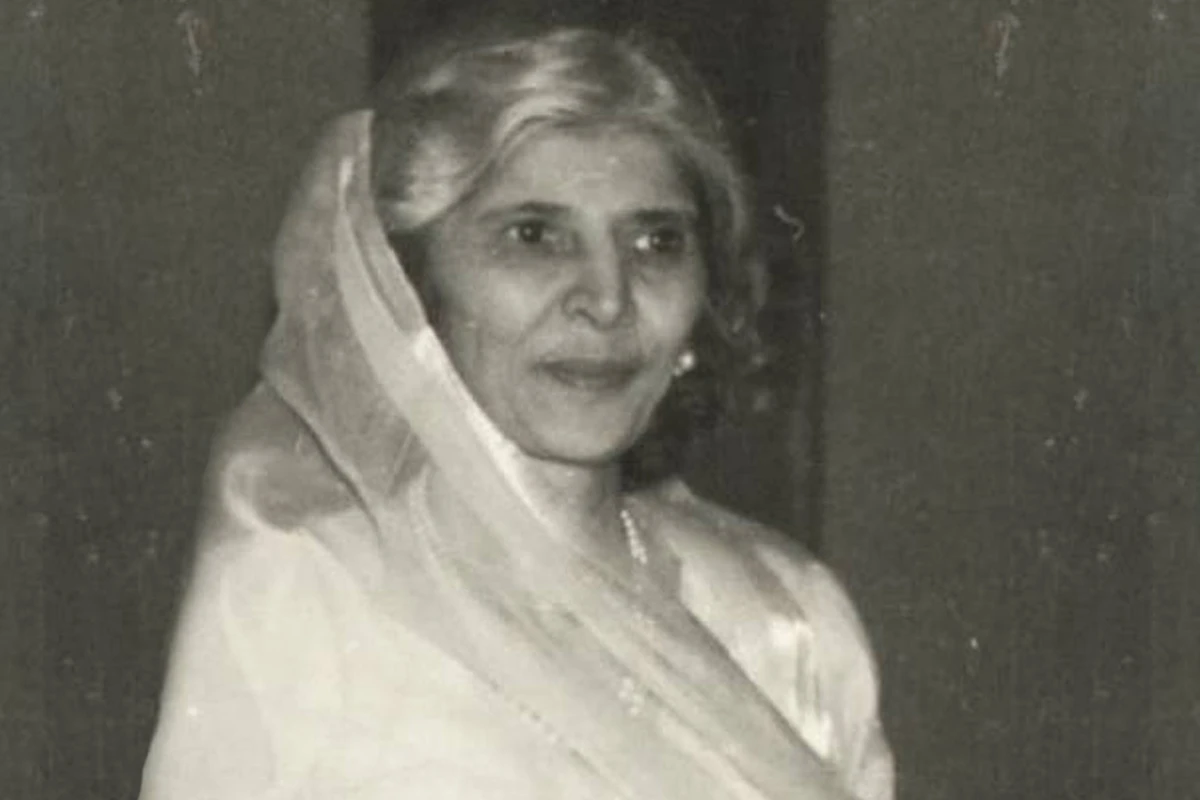
Pakistan commemorates the 59th death anniversary of Fatima Jinnah, the pioneering political figure whose organizational and intellectual contributions proved essential to Pakistan’s independence struggle and early institutional development.
Fatima Jinnah’s life and legacy demonstrate how women’s leadership transcended conventional gender constraints during liberation movements, establishing precedent for female political participation throughout postcolonial South Asia.
Born July 31, 1893, in Karachi, Fatima Jinnah emerged as political force during the Pakistan Movement through direct collaboration with her brother, Muhammad Ali Jinnah—the nation’s founder. Rather than occupying auxiliary role typical of women in male-dominated political organizations, Fatima participated as strategic advisor, organizational coordinator, and public representative of the independence movement. Her designation as “Madar-e-Millat” (Mother of the Nation) reflects institutional recognition of her foundational contributions.
Fatima Jinnah’s political significance extends beyond family association with Quaid-e-Azam. She independently mobilized constituencies, articulated political positions, and represented the All-India Muslim League across public forums. During periods when direct political participation proved dangerous—facing British colonial authorities and Hindu-majority political opposition—Fatima demonstrated organizational courage and intellectual commitment to independence objectives.
The partnership between Quaid-e-Azam and Fatima established model of gender-inclusive leadership within nationalist movements. While Quaid-e-Azam provided ideological direction and political strategy, Fatima managed organizational implementation, constituency engagement, and institutional sustainability. This division of labor—rather than subordinating female participation—recognized women’s capacity for consequential political work.
Following Pakistan’s independence in 1947, Fatima Jinnah continued political engagement. She maintained residence at the Mausoleum of Quaid-e-Azam, serving as custodian of her brother’s legacy while remaining engaged with national political developments. Her presence in Karachi symbolized continuity between independence struggle and postcolonial nation-building.
Fatima Jinnah passed away July 9, 1967, at age 73, concluding two decades of postindependence political involvement. Her burial beside her brother at the Mausoleum of Quaid-e-Azam in Karachi created physical memorial to their shared political mission. The juxtaposition of their graves positions Fatima as equal historical participant rather than subsidiary figure, visually affirming her substantive contributions.
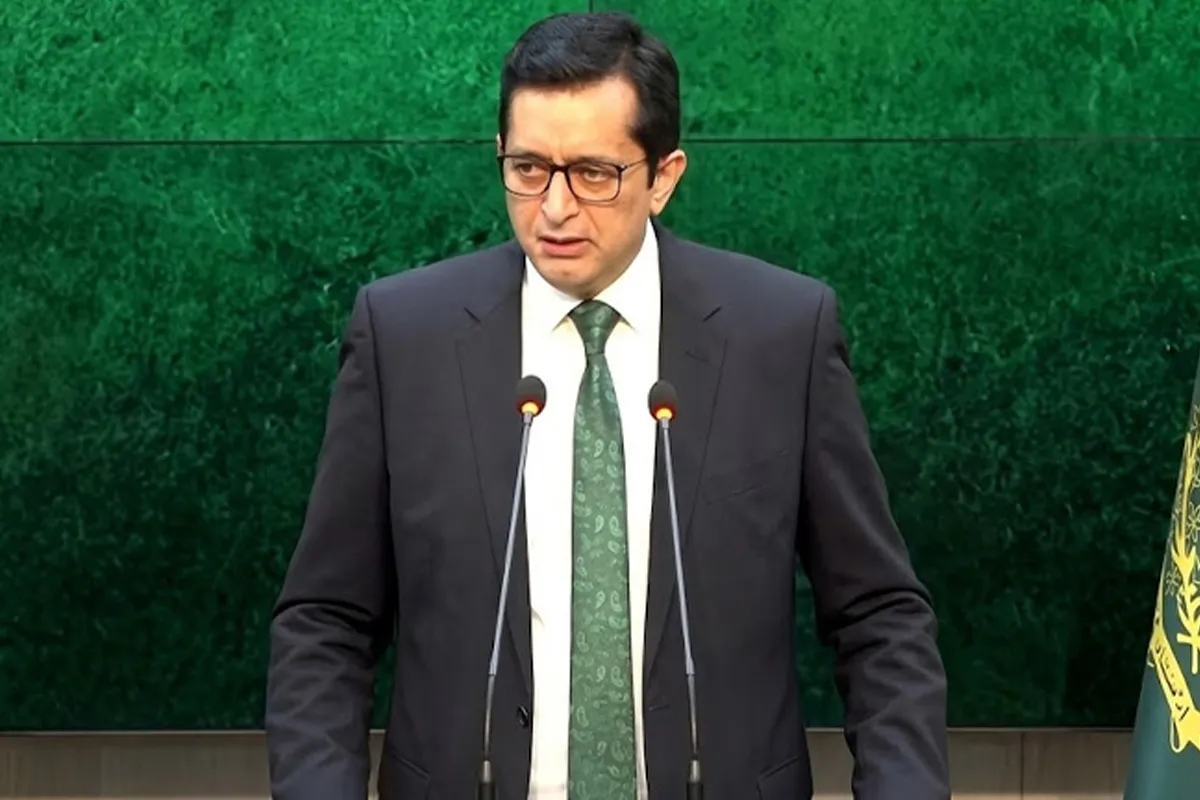
Prime Minister Muhammad Shehbaz Sharif and Acting President Syed Yousuf Raza Gilani issued separate tributes on the death anniversary, acknowledging Fatima’s partnership with Quaid-e-Azam during the independence struggle. Official recognition through government leadership tributes establishes that Fatima Jinnah’s contributions receive institutional validation across political administrations.
The characterization that Fatima “stood shoulder to shoulder with Quaid-e-Azam” avoids patronizing language suggesting female support for male leadership. Instead, the phrasing recognizes partnership and shared commitment to independence objectives. This linguistic choice reflects evolving understanding of women’s historical agency rather than treating female political participation as ancillary to male-dominated narratives.
Fatima Jinnah’s legacy intersects multiple historical dimensions: gender and political participation, independence movement organization, institutional continuity during postcolonial transition, and intellectual contribution to nationalist ideology. Her life demonstrates that comprehensive histories of liberation movements require recognition of women’s consequential participation beyond conventional feminine roles.
Contemporary Pakistan continues engaging with Fatima Jinnah’s historical significance through commemorative practices, educational curriculum inclusion, and political tributes. The annual death anniversary observance maintains public memory of her contributions while providing opportunity for reflection on women’s political leadership historically and prospectively.
Catch all the Pakistan News, Breaking News Event and Trending News Updates on GTV News
Join Our Whatsapp Channel GTV Whatsapp Official Channel to get the Daily News Update & Follow us on Google News.
Must Read