
Mir Raza Had Broken Nose and Head Injury Before Death, Police Surgeon Tells Judicial Commission

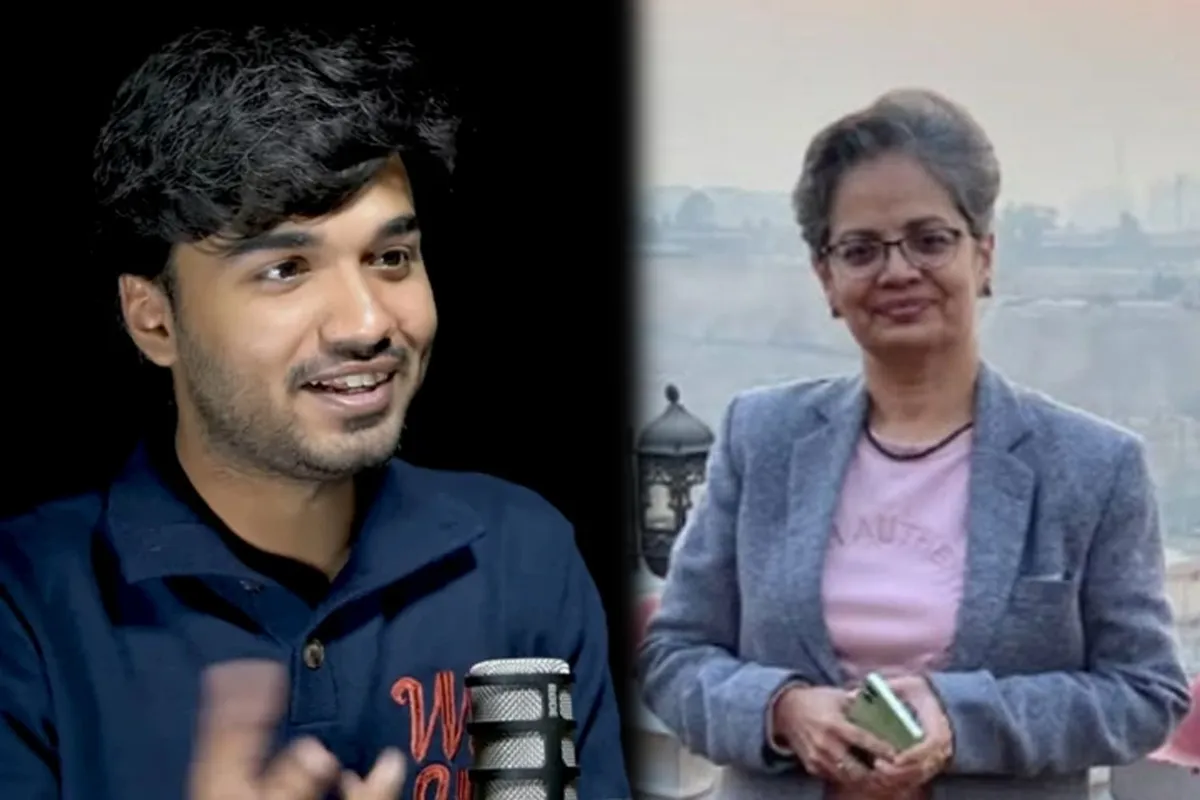
KARACHI: Police Surgeon Dr Samia has told a judicial commission that young businessman Mir Raza had a fractured nose and an injury to his head, saying the wounds were sustained before his death.
Appearing before the commission, Dr Samia said there was a visible injury to the back of Mir Raza’s head consistent with a blow from a hard object.
She also said that Mir Raza’s facial decomposition was uneven, with some areas showing decomposition while others did not.
Dr Samia told the commission that delays in sending samples could result in false-negative findings.
She said she had written a letter on August 3 recommending exhumation and a fresh post-mortem. She added that during a meeting with police on August 5, she again recommended exhumation and a second post-mortem examination.
According to Dr Samia, the initial post-mortem did not include samples for gunshot residue testing, while the recorded size of the gunshot wound was also incorrect.
She explained that an entry wound is generally smaller and more clearly defined, while an exit wound is usually larger.
Dr Samia said the bullet that struck Mir Raza caused fractures to his ribs and damaged both his lungs and heart.
She also told the commission that the location identified in the initial examination as the bullet entry point in the chest was incorrect.
She said the final post-mortem report was signed by all members of the medical board and contained only findings on which the members had reached agreement.
The police surgeon further told the commission that Mir Raza had burn marks caused by acid on his body.
She said a chemical examination report confirmed the presence of acid.
Dr Samia also referred to the appearance of the skin around the bullet’s exit wound, saying its dark discolouration was similar to that observed on the face.
The commission questioned whether police had reviewed the photographs associated with the examination.
Dr Samia responded that police had on three occasions identified the chest injury as a gunshot wound.
The commission also questioned how medical boards are formed.
Dr Samia said courts can direct the Health Secretary or Director General Health Services to constitute a medical board and can also issue instructions directly to the police surgeon.
She said the Health Secretary later restored the previous medical board, but she did not know why the board had initially been changed.
According to Dr Samia, the Deputy Secretary Health had verbally instructed her to withdraw from the medical board. She said she informed the official that her name had already been included in the judicial magistrate’s order.
Dr Samia said that only members of the original team were present during the August 8 exhumation.
She told the commission that no unrelated person had been allowed to participate and that Mir Raza’s family was also not permitted to remain at the site because the process could have been distressing for them.
She also said the final post-mortem report carried the signatures of all members of the medical board.
Dr Samia further informed the commission that she had sent a letter to the Additional Inspector General on August 10 outlining defects identified in the initial post-mortem.
She said decomposition can progress differently across different parts of a body, which was relevant to the condition observed on Mir Raza’s face.
The testimony has raised fresh questions about the initial medical examination, preservation and testing of evidence, and the subsequent handling of the case.
The judicial commission is continuing to examine the medical and investigative record to determine the circumstances surrounding Mir Raza’s death.
Catch all the Pakistan News, Breaking News Event and Trending News Updates on GTV News
Join Our Whatsapp Channel GTV Whatsapp Official Channel to get the Daily News Update & Follow us on Google News.
Must Read