
Google Redesigns Its Search Box for the First Time in 25 Years — Gemini AI Changes Everything About How We Search

Google Redesigns Its Search Box for the First Time in 25 Years — Gemini AI Changes Everything About How We Search
For a quarter century, the Google search box remained essentially unchanged — a white rectangle, a blinking cursor, and the implicit instruction to keep your question short. That design philosophy shaped how an entire generation learned to communicate with the internet: compress your thought, use keywords, and scroll through links to find your answer.
That era ended in 2026.
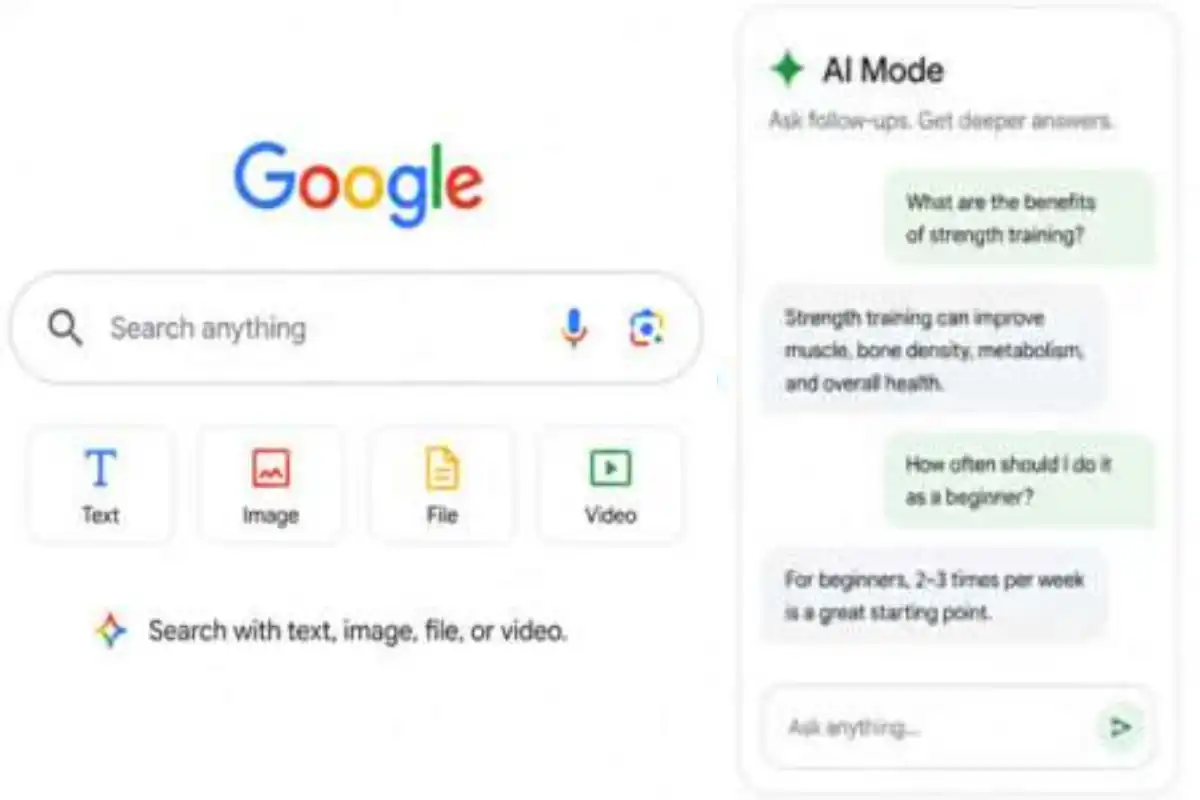
Google has redesigned its core search interface for the first time in 25 years, embedding its Gemini AI model directly into the product that approximately 8.5 billion people use every single day. The change is not cosmetic. It is architectural — and its implications reach far beyond a wider text box.
What Has Actually Changed
The most visible shift is the expanded search interface itself. The new design accommodates longer, more detailed queries — full sentences, multi-part questions, complex prompts that previously required users to either simplify their thinking or switch to a separate AI tool entirely.
This matters because human questions are rarely short. When someone searches for medical symptoms, travel planning details, legal concepts, or technical troubleshooting, the old keyword model forced an artificial compression of genuinely complex information needs. Gemini’s integration removes that compression requirement.
Beyond the interface itself, Google has introduced a video generation feature embedded directly within search — allowing users to create short visual content without leaving the platform. This positions Google not merely as an information retrieval system but as a content creation environment, a significant category expansion.
The shopping experience has also been overhauled. AI now surfaces product comparisons, personalized recommendations, and purchase pathways within search results — collapsing the journey from discovery to transaction into a single interface.
Why This Took 25 Years — and Why It’s Happening Now
Google’s search box survived largely unchanged not because of design conservatism but because of commercial caution. The classic interface supported a link-based results model that powered one of history’s most profitable advertising businesses. Every blue link represented a monetizable impression. Changing that model meant renegotiating the economic architecture of the entire platform.
The competitive pressure from OpenAI’s ChatGPT, Microsoft’s Copilot integration into Bing, and Perplexity AI’s rapid user growth forced Google’s hand in a way that internal innovation cycles never had. When users began genuinely considering alternatives to Google search for the first time in two decades, the calculus shifted decisively.
The Gemini integration is Google’s answer to that competitive threat — and it is a structural response, not a superficial one.
What This Means for Publishers, Marketers, and Everyday Users
The implications divide sharply depending on who you are. For everyday users, the redesign promises genuine convenience — fewer tabs, faster answers, and a search experience that meets complex questions with appropriately complex responses.
For digital publishers and content creators, the picture is more complicated. If Gemini delivers comprehensive answers directly within search results, the incentive to click through to source websites diminishes. This continues a trend that AI Overviews began in 2023 — reducing organic traffic to external sites by satisfying user intent before the click happens.
For digital marketers and SEO professionals, the redesign demands a fundamental rethink of strategy. Optimizing for keyword rankings becomes less relevant when the search interface is designed to interpret intent rather than match terms.
Catch all the Technology News, Breaking News Event and Trending News Updates on GTV News
Join Our Whatsapp Channel GTV Whatsapp Official Channel to get the Daily News Update & Follow us on Google News.
Must Read


Pakistan
Development Activities Continue Under Balochistan Special Development Initiative
10-October،2026