
Enemy Miscalculated Iranian Military Power: IRGC

Web Desk
21 November, 2025 14:56
Enemy Miscalculated Iranian Military Power: IRGC
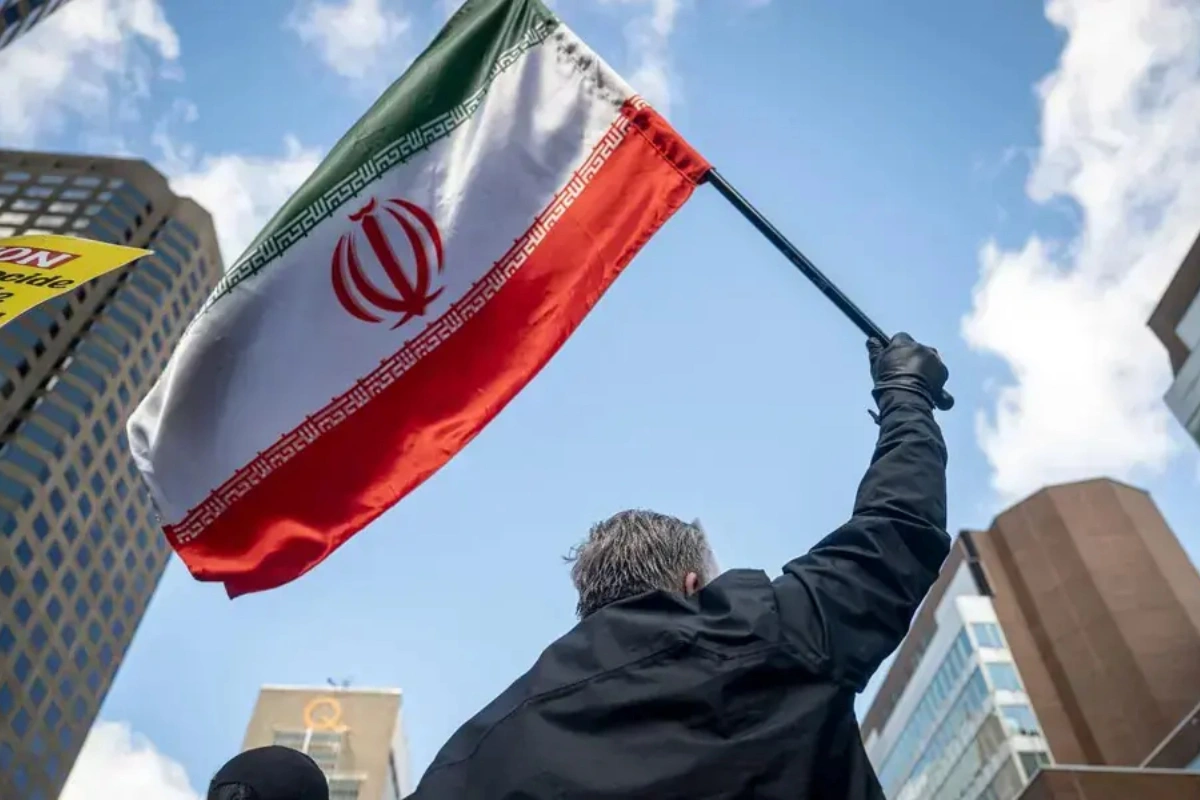
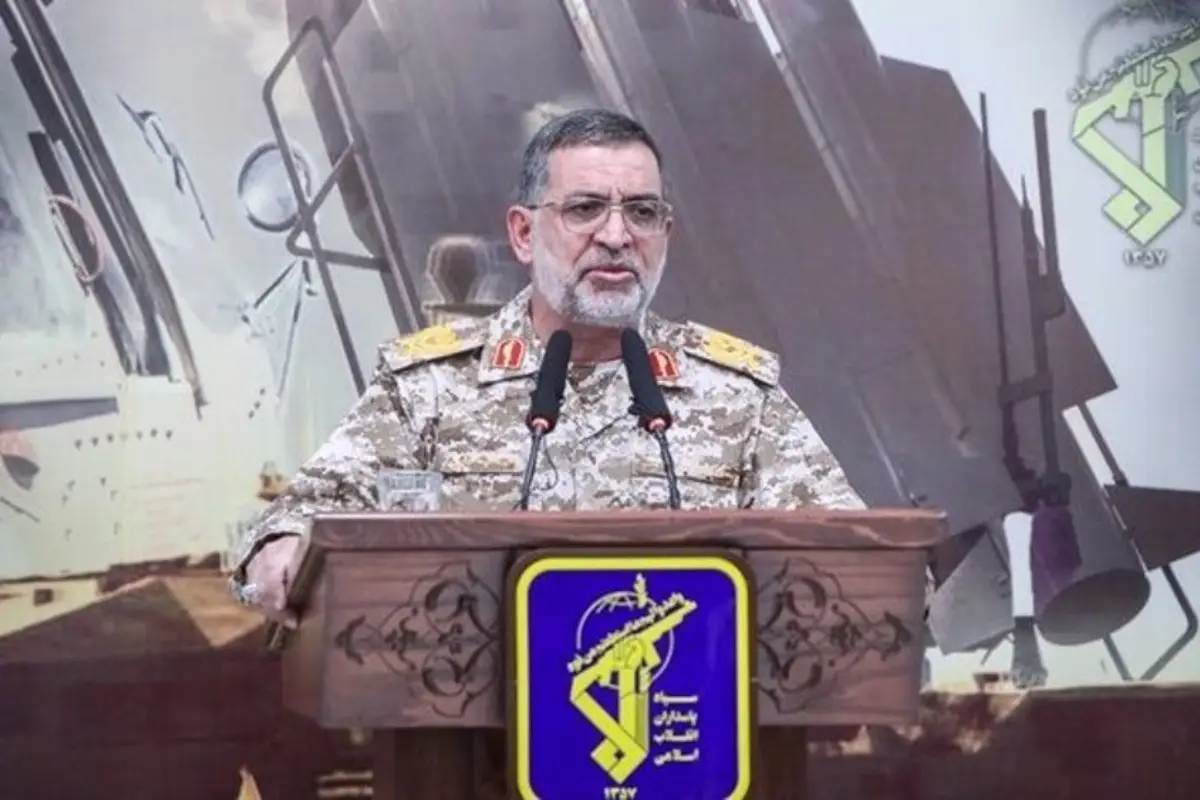
The Islamic Revolution Guards Corps (IRGC) spokesperson stated that the enemy’s miscalculation of Iranian military and social resilience was their failure in the 12-day conflict, which was a strategic turning point.
Brigadier General Ali Mohammad Naeini, talking during the speech on Thursday, stated the conflict proved that Iran’s missile strength is both real and a deterrent, forcing the US to accept the difficulty of countering its ballistic missiles.
“This war was the most complex in the world, and the enemy’s miscalculations regarding the components of Iran’s power and reliance on material structures were the main factors in their defeat,” Naeini said.
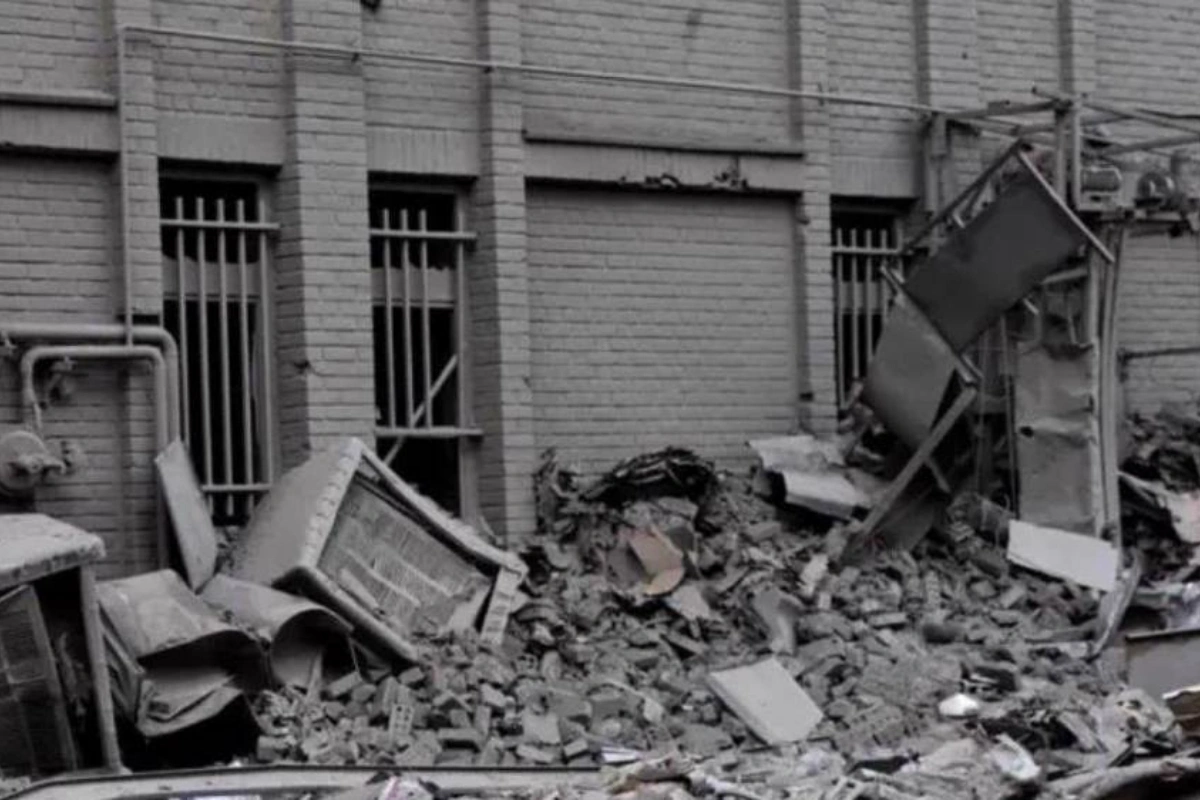
Israel launched an unprovoked aggression against Iran, assassinating many high-ranking military commanders, nuclear scientists, and ordinary civilians on June 13.
Over a week later, America additionally entered the war by bombing three of Iran’s nuclear sites in a grave violation of the United Nations Charter, international law, and the Nuclear Non-Proliferation Treaty (NPT).
Iran, through its successful retaliatory raids on June 24 against both the US and Israeli regimes, managed to impose a pause to the illegitimate assault.
The Brigadier further added that the enemy was confident of a swift victory through targeting Iran’s top military leadership. However, the plan collapsed due to a critical analytical failure.
General Ali Mohammad Naeini, in addition, remarked that the enemy fundamentally misjudged Iran’s true source of power, which is its people. Unlike material assessments, he added, Iran’s soft power and popular resilience were underestimated, leaving the adversary blind to the country’s real capabilities.
“In this war, the enemy itself became a victim of its own cognitive war; that is, it believed in the ‘weak Iran’ it had created and operated based on that belief,” the Iranian military official additionally stated.
The 12-day war was a strategic turning point, changing power dynamics in West Asia and demonstrating Iran’s ability to confront NATO and the US Central Command (CENTCOM) independently, as per the spokesperson.
Naeini suggested that Iran’s indigenous military capabilities effectively neutralized strategic centers in Israel and that the war tested Iran’s defensive resilience, offensive power, and national endurance.
“This war was a full-scale test to measure Iran’s defensive deterrence, offensive power, and the resilience of the Iranian nation, as well as a test to measure the enemy’s weaknesses and strengths,” he noted.
He urged that Iran’s missile operations were far from simple strikes but rather integrated electronic warfare, cyber operations, and tactical innovation.
“The 22 waves of missile attacks were constantly changing in terms of the origin of the launch, time, targets, number, and type of missiles,” he said, adding that this creativity, innovation, and planning were the product of the experience and creative minds of Iran’s commanders, which made the enemy desperate.
General Naeini said the US was forced to fire large numbers of $4 million interceptor missiles to counter Iranian attack drones that cost less than $10,000 each, noting that Washington oversaw the overall command of the war, with Israel executing the operations and others providing support.
He showcased the role of Iran’s youth and innovation, saying the country’s missile, drone, and naval commanders—most under 30 years old—played a decisive role in operations, reflecting a generation of highly trained specialists.
General Naeini emphasized the armed forces’ ongoing readiness, stating that “Iran’s missile power today has no geographical boundaries, and the IRGC’s capability in this battle is the result of the initiative and innovation of Iranian youth.”
Catch all the World News, Breaking News Event and Trending News Updates on GTV News
Join Our Whatsapp Channel GTV Whatsapp Official Channel to get the Daily News Update & Follow us on Google News.
Must Read