
Russia avoids Iran unrest intervention to protect its reputation

Web Desk
15 January, 2026 18:11
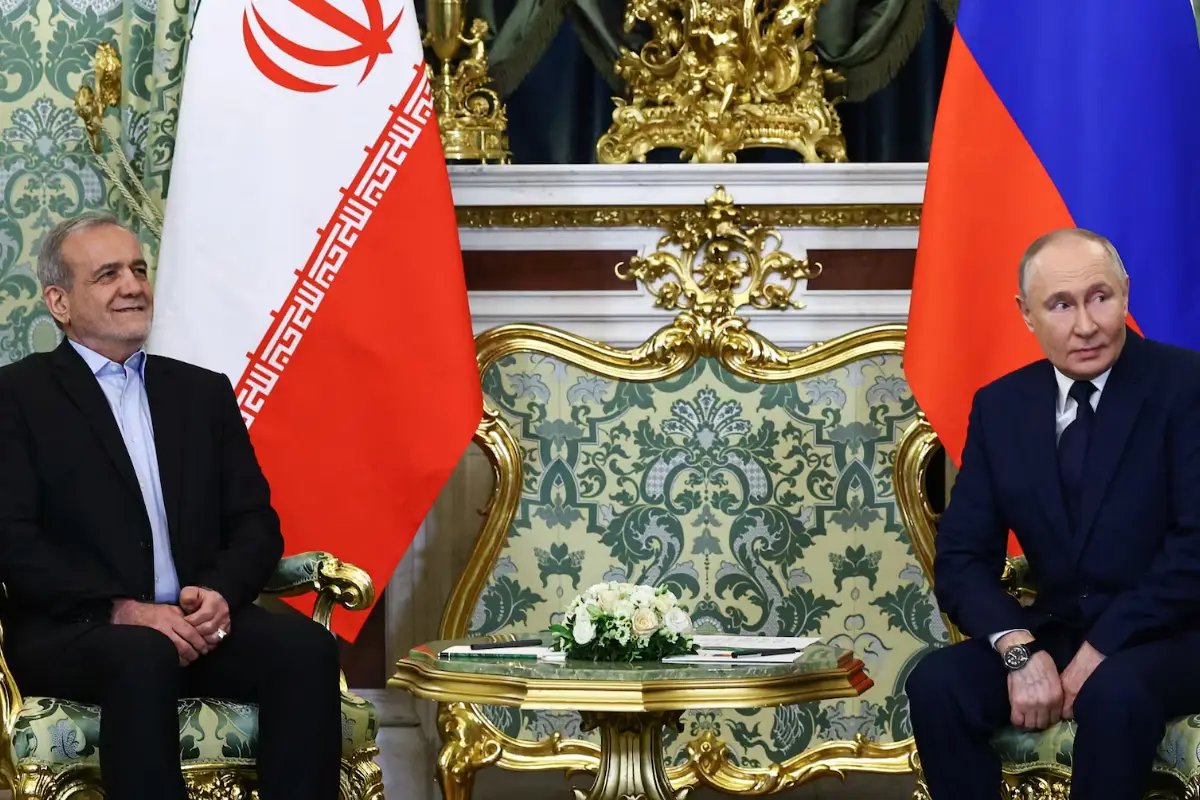
Russia avoids Iran unrest intervention to protect its reputation [Image Credits: Reuters]
The Kremlin believes that mass protests in Iran have peaked and that Tehran’s leadership has managed to squash domestic resistance, according to Russian expert Nikita Smagin. Smagin told Al Jazeera that Russia’s embassy in Tehran informed Moscow the protests have died down, allowing the Kremlin to “breathe a sigh of relief.”
The protests began on December 28 over economic hardships, spreading to hundreds of cities and towns in the sanctions-hit nation of more than 90 million people. Iranian law enforcement suppressed the protests, possibly violently. Smagin said Moscow believes “nothing threatens Iran from within.”
On Tuesday, the Russian Ministry of Foreign Affairs condemned what it called “illegal Western pressure” and accused unnamed “external forces” of trying to “destabilise and destroy” Iran. Foreign Ministry spokeswoman Mariya Zakharova claimed that the West is using “notorious methods of ‘colour revolutions’”, turning peaceful protests into “cruel and senseless lawlessness, pogroms, the killing of law enforcement officers and average citizens, including children.”
Zakharova also criticized threats from United States President Donald Trump to interfere in Iran as “categorically unacceptable.” She said the “decline in the artificially-instigated protests” could lead to stabilisation in Iran. Trump had urged Iranians to “take over institutions” and said US “help is on its way.” On January 2, he wrote: “We are locked and loaded and ready to go,” and in June, he called Ayatollah Ali Khamenei an “easy target.”
Russian President Vladimir Putin has not publicly commented on the protests, similar to his silence on the January 3 abduction of Venezuelan President Nicolas Maduro, a close ally of Moscow. Smagin noted that despite condemning Trump, Russia “can hardly do anything about it.”
Moscow remained silent for almost two weeks after the protests began, unsure if Khamenei’s administration would survive. Smagin said harsh statements “would hinder the mending of ties with new authorities” that might have replaced Tehran’s leadership. Russia’s cautious stance is similar to its response to the toppling of Syrian President Bashar al-Assad in December 2024.
According to Kyiv-based analyst Vyacheslav Likhachev, Russia sees any protests against dictatorship or mass rallies for democracy as the result of external meddling. The Kremlin has historically described uprisings, including the Arab Spring, as instigated by foreign powers, while domestic protests in Russia are also blamed on “foreign ill-wishers.”
Iran has accused foreign nations of involvement, with an Israeli-aligned channel claiming “foreign agents” armed protesters. More than 100 security personnel have been reported killed in two weeks, while opposition activists say the death toll is higher and includes thousands of protesters. Internet access has been cut in Iran for five days.
Russia and Iran share a long history, with centuries of cooperation and conflict. Post-Soviet Moscow became Iran’s main international backer, supporting its nuclear program, supplying weapons including S-400 systems, and shielding it from UN resolutions. In return, Tehran aided Russia’s war effort in Ukraine with drones, artillery shells, and other military supplies.
However, Russia has avoided strong responses to Trump’s threats, fearing another reputation failure, according to former diplomat Boris Bondarev. He said Moscow cannot risk undermining its concessions on the Ukraine war, while domestic pressures, Western sanctions, and economic struggles occupy Russian leaders and citizens.
Some Russians, like Irina from Yekaterinburg, expressed exhaustion over domestic hardships and said they are focused on survival rather than Iran:
“Iran? What Iran? We’re busy surviving. My son is grieving the blocking of [popular online game] Roblox, my husband barely earns enough for our mortgage payments. Don’t pester me with questions about Iran.”
Despite the cautious approach, pro-Kremlin analyst Sergey Markov suggested that Moscow could assist Iran with political reforms after the protests end, noting:
“The protests will be suppressed, but problems will remain. It would be right if Russia could help Iran with advice on reforms – advice both political and in political technologies.”
Read More: Türkiye Opposes Any Military Action Against Iran, Says Foreign Minister
Catch all the World News, Breaking News Event and Trending News Updates on GTV News
Join Our Whatsapp Channel GTV Whatsapp Official Channel to get the Daily News Update & Follow us on Google News.
Must Read