
Iran Shahed Drones Challenge US Air Defense, Trump Officials Admit Interception Difficult

Web Desk
05 March, 2026 08:59

US Officials Admit Iranian Shahed Drones Are Hard to Stop
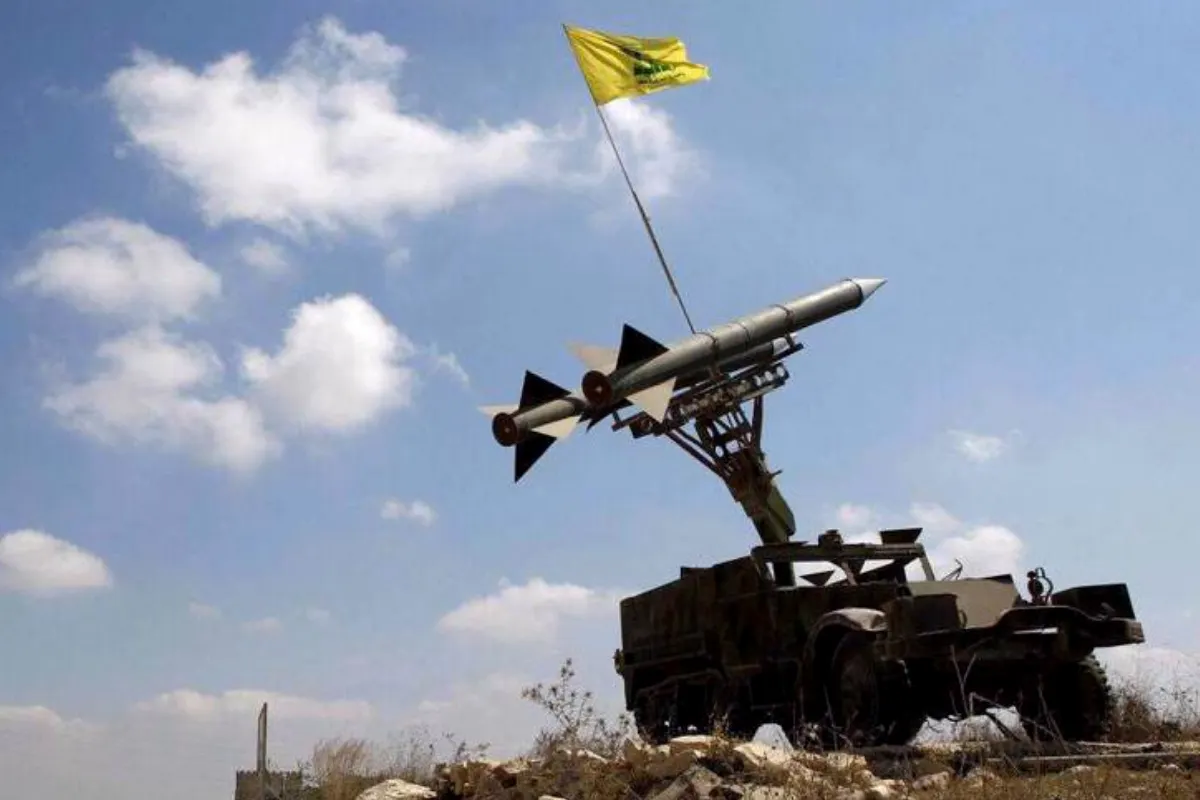
Washington – March 2026: Officials from the administration of Donald Trump told lawmakers in a closed briefing that Iranian Shahed attack drones have become a serious challenge for American air defenses.
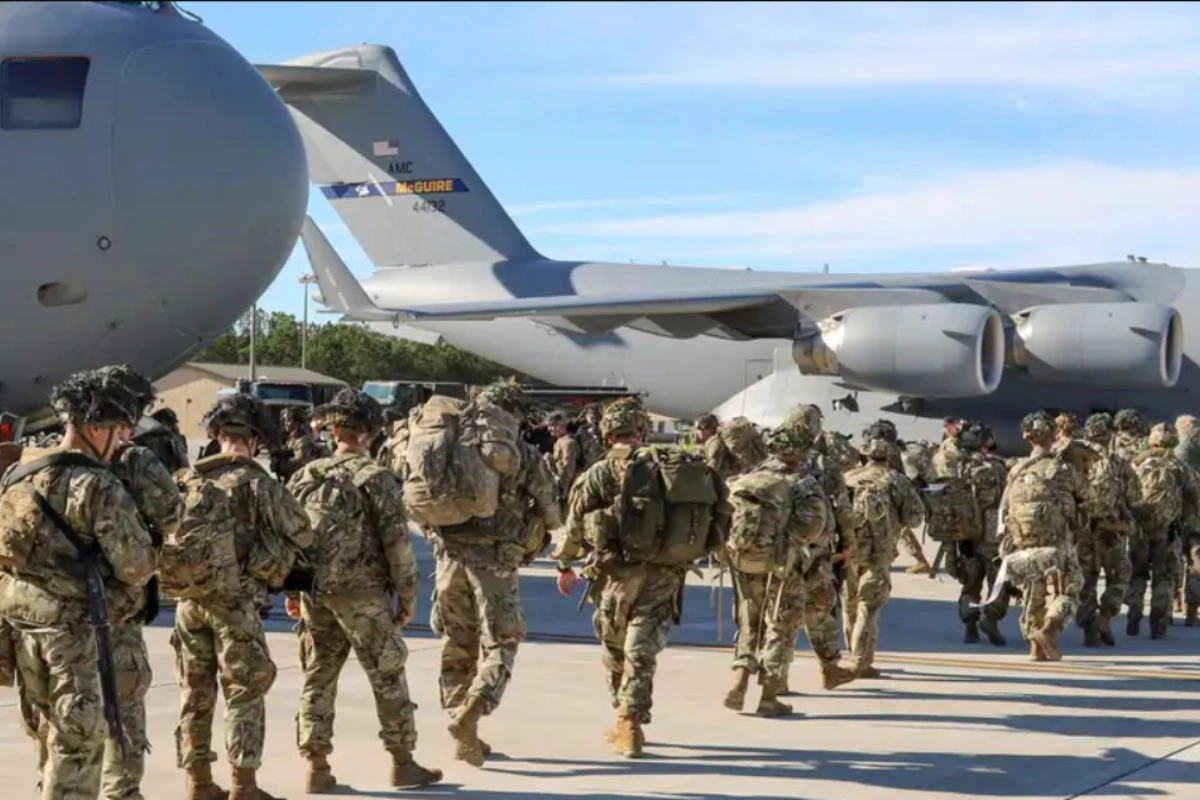
The briefing took place on Capitol Hill and included senior military leaders. According to reports, officials admitted that US defense systems may not be able to intercept all incoming drones if attacks continue at a large scale.
US Military Leaders Raise Concerns
During the briefing, Pete Hegseth, the US Secretary of Defense, and Dan Caine, Chairman of the Joint Chiefs of Staff, acknowledged that Iranian drones were creating bigger problems than expected.
Sources present at the meeting said the officials explained that the drones fly low and slow, which makes them harder for radar systems to detect.
Because of this flight pattern, they can sometimes evade modern air defense systems that are mainly designed to stop ballistic missiles.
US Lawmakers Question War Strategy
Some American lawmakers also raised questions about the military campaign.
Hakeem Jeffries, the House Minority Leader, criticized President Trump for failing to provide a clear explanation to Congress about the reason for starting the conflict with Iran.
Jeffries said there was no clear evidence of an immediate threat to the United States or its interests in the region that would justify the military action.
Meanwhile, Senator Mark Kelly, a member of the Senate Armed Services Committee, warned that the US does not have unlimited supplies of interceptor missiles.
He said Iran has the ability to produce large numbers of drones and missiles, which could create a serious supply challenge for American defenses.
Pressure on US Military in West Asia
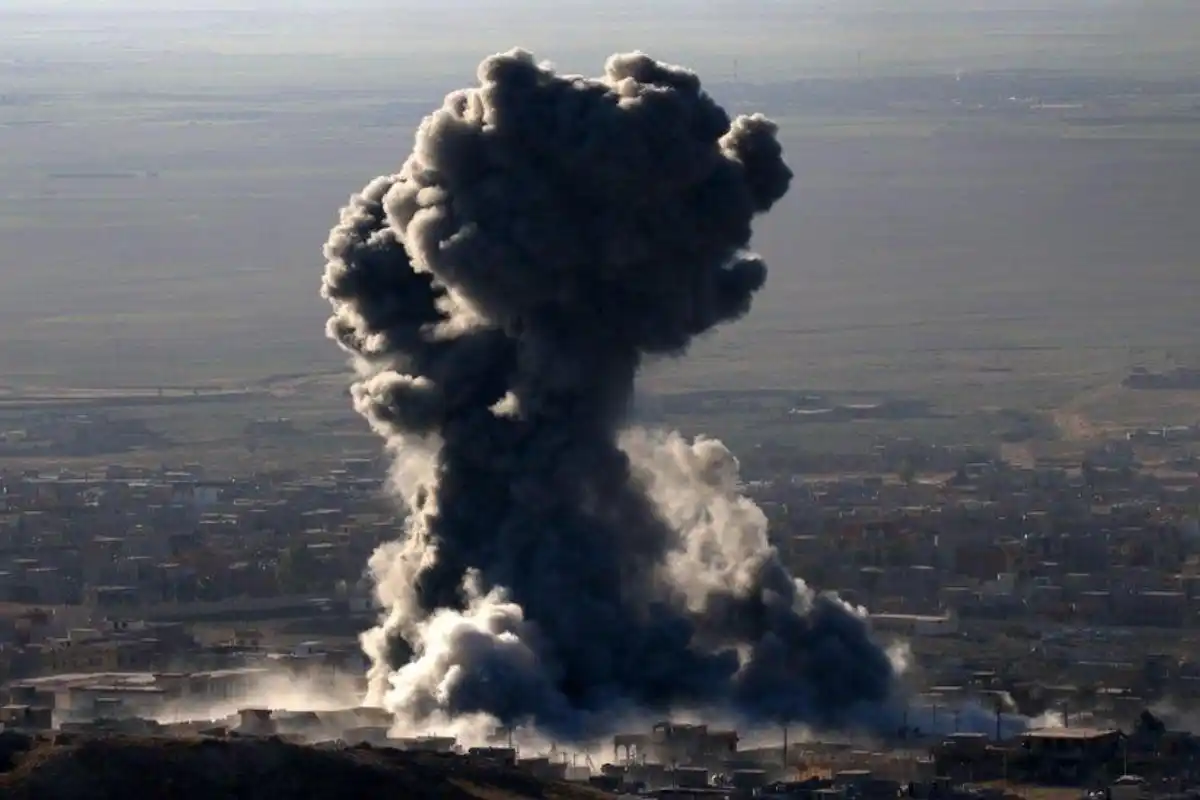
Reports suggest that US forces and allies across West Asia are facing increasing pressure as Iran continues launching waves of drone and missile attacks.
According to analysis published by The Wall Street Journal, the repeated attacks have complicated US military objectives in the region.
The report said American resources and diplomatic efforts are under strain as Iran keeps targeting Israeli sites and US military assets.
Hypersonic Missiles Add to the Challenge
Another report by Military Watch Magazine said Iran’s Fattah‑2 missile, a hypersonic glide vehicle, has created new difficulties for US and Israeli defense systems.
According to the report, existing missile defense systems struggle to intercept hypersonic weapons because of their extremely high speed and unpredictable flight path.
IRGC Launches Multiple Waves of Strikes
The Islamic Revolutionary Guard Corps (IRGC) has reportedly launched at least 17 waves of missile and drone strikes in response to the ongoing conflict.
These strikes targeted Israeli positions in Tel Aviv and the occupied city of Jerusalem, along with US military facilities across the region.
Iranian strikes also reportedly targeted American positions in Kuwait, Bahrain, and Qatar.
Iranian sources further claimed attacks on the US aircraft carrier USS Abraham Lincoln (aircraft carrier) and an American destroyer operating in the Indian Ocean.
Growing Concerns Over Escalation
The situation has raised concerns about a wider regional conflict.
Military experts say the increasing use of drones, ballistic missiles, and hypersonic weapons could change the balance of power in modern warfare.
As tensions continue, analysts warn that both sides may face rising military and economic costs if the conflict expands further.
Catch all the World News, Breaking News Event and Trending News Updates on GTV News
Join Our Whatsapp Channel GTV Whatsapp Official Channel to get the Daily News Update & Follow us on Google News.
Must Read