
Who is Ayatollah Seyyed Mojtaba Khamenei? Biography Third Leader of Iran’s Islamic Revolution

Web Desk
09 March, 2026 08:55
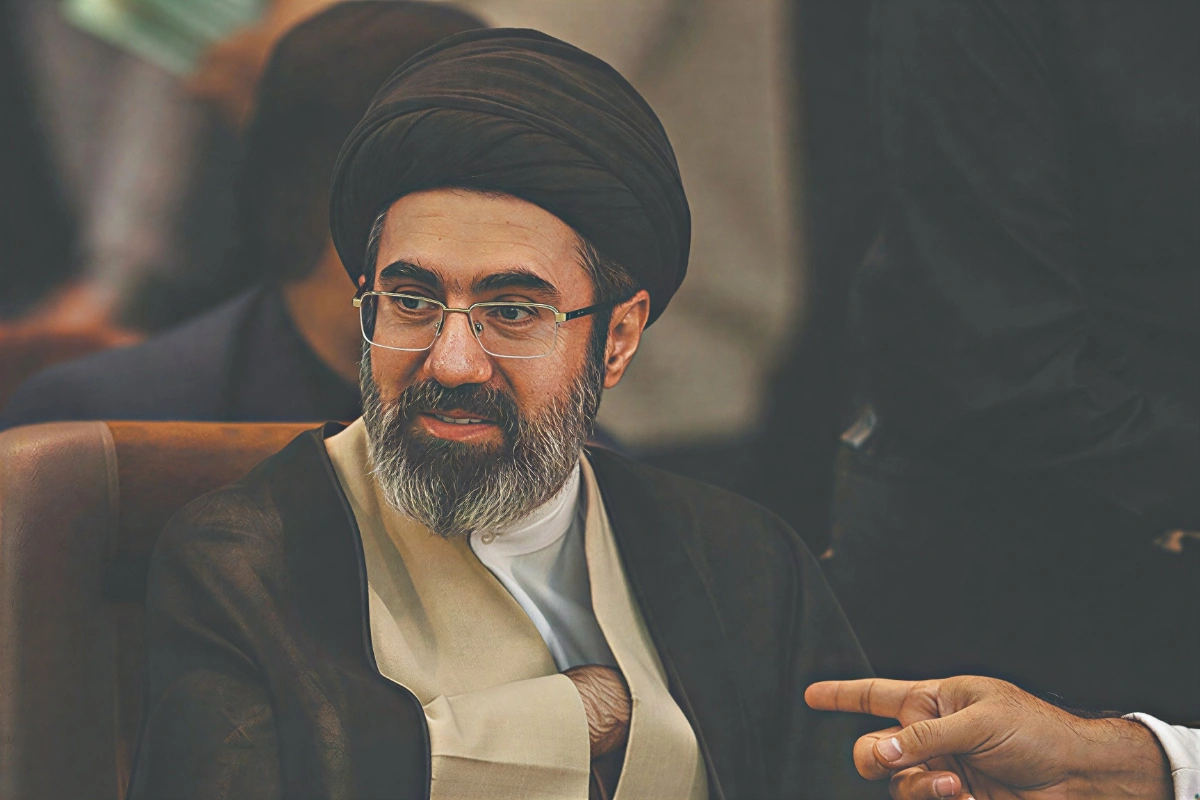
Ayatollah Seyyed Mojtaba Khamenei Becomes 3rd Supreme Leader of Iran
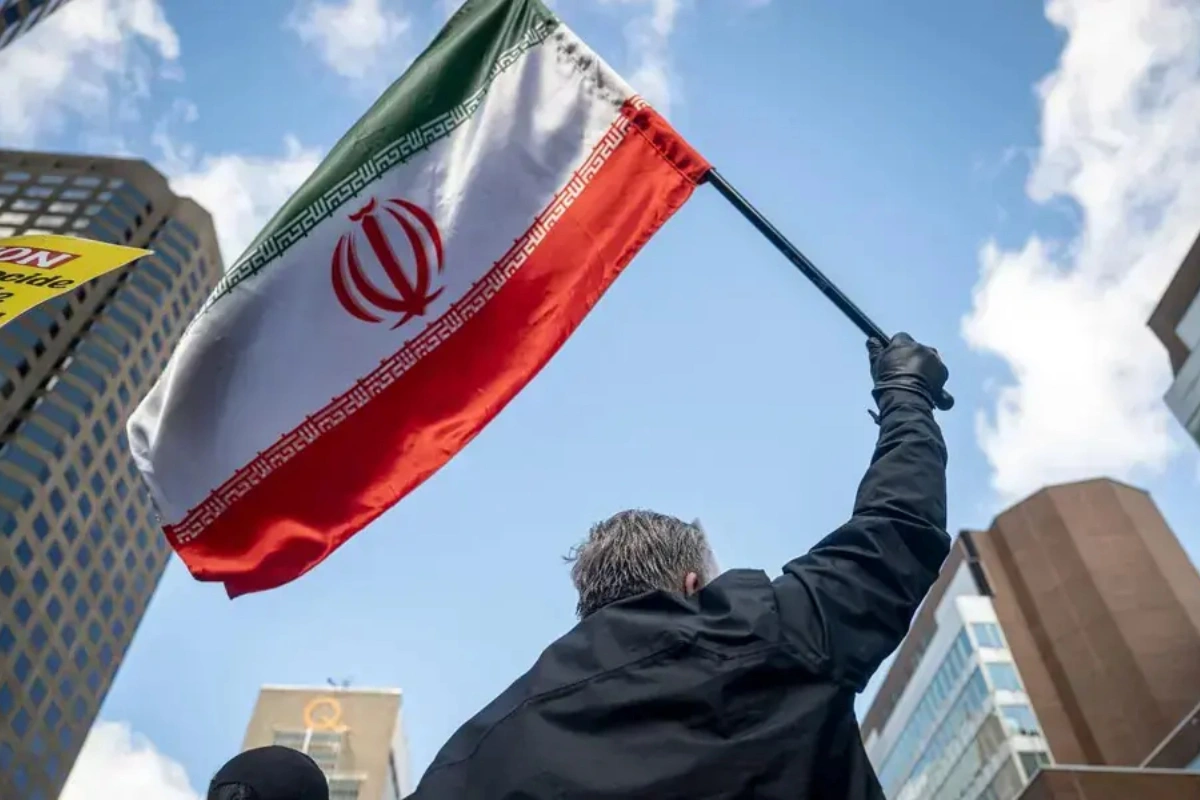
TEHRAN, March 9, 2026: The Assembly of Experts announced Ayatollah Seyyed Mojtaba Khamenei as the third Leader of the Islamic Revolution following the martyrdom of his father, Ayatollah Seyyed Ali Khamenei.
The announcement came late Sunday night as people across Iran were attending special Ramadan prayers in mosques. The Assembly said that after a detailed consultation process lasting more than a week, members voted decisively to appoint Mojtaba Khamenei as the new Leader of the Islamic Republic.
Early Life and Family Background
Ayatollah Mojtaba Khamenei was born in 1969 in the holy city of Mashhad. He is the second son of the late Supreme Leader Ayatollah Ali Khamenei, who led the Islamic Republic for 37 years after the passing of Ruhollah Khomeini, the founder of the Islamic Revolution.
He spent much of his childhood in Tehran and completed his secondary education at the well-known Alavi School, an institution known for producing many influential figures in the Islamic Republic.
Service During the Iran-Iraq War
As a teenager, Mojtaba Khamenei witnessed one of the most difficult periods in Iran’s history. During the Iran‑Iraq War, he volunteered to serve on the front lines at the age of 17.
He served in the Habib ibn Mazaher Battalion of the 27th Mohammad Rasulollah Division, gaining firsthand experience of war and sacrifice. Observers say this experience played a major role in shaping his dedication to the ideals of the Islamic Revolution.
Religious Education in Qom
After the war, in 1989, Mojtaba Khamenei moved to Qom, Iran’s most important center of Islamic scholarship, to pursue advanced seminary studies.
He continued his religious education in both Qom and Tehran before returning again to Qom to complete higher levels of Islamic learning. There he studied jurisprudence, principles of jurisprudence, and Islamic narration sciences under some of the most respected scholars of the seminary.
According to religious scholars, he became known for strong analytical thinking, intellectual discipline, and independence of thought.
Academic Influence and Teaching
Over the years, Ayatollah Mojtaba Khamenei has taught advanced religious courses at the Qom seminary. His lectures have attracted thousands of students, making his classes among the most attended in the prestigious seminary.
Experts say his academic work has contributed to discussions in traditional Islamic sciences, particularly in jurisprudence and legal theory.
He has also supported the establishment of research institutes, academic centers, and specialized schools of jurisprudence aimed at training future Islamic scholars.
Personal Life
In 1997, he married Zahra Haddad Adel. The couple had three children: two sons, Mohammad-Bagher and Mohammad Amin, and a daughter, Fatemeh.
According to reports, his wife was martyred on February 28 during the recent US-Israeli military aggression against Iran, the same attacks that also led to the martyrdom of his father.
During the leadership of Ayatollah Ali Khamenei, Mojtaba Khamenei played an advisory role in several national matters. He participated in consultations with senior officials and contributed to discussions on major national issues.
These discussions included economic development, housing policy, agricultural modernization, technological progress, and emerging fields such as artificial intelligence.
Ayatollah Mojtaba Khamenei is also known to have maintained close ties with figures associated with the Axis of Resistance.
He had a close relationship with Hassan Nasrallah, the former leader of Hezbollah, as well as Iran’s famous anti-terror commander Qasem Soleimani, who was assassinated in 2020.
A Leader Known for Low Public Profile
Despite his influence in religious and intellectual circles, Mojtaba Khamenei has maintained a low public profile. He has avoided personal publicity and focused instead on strengthening the intellectual legacy of the Islamic Revolution.
Observers say his neutral stance toward political factions has helped him gain respect from clerics, scholars, political leaders, and the wider public.
Ayatollah Mojtaba Khamenei now takes leadership of the Islamic Republic at a critical moment, as tensions between Iran and Western powers continue.
Officials say the new Leader will seek to continue the legacy of the Islamic Revolution while guiding the country through major regional and international challenges.
Catch all the World News, Breaking News Event and Trending News Updates on GTV News
Join Our Whatsapp Channel GTV Whatsapp Official Channel to get the Daily News Update & Follow us on Google News.
Must Read