
Saudi Arabia cuts oil production by 20% as Iran controls Strait of Hormuz traffic

Web Desk
14 March, 2026 11:36
Saudi Arabia cuts oil production by 20% as Iran controls Strait of Hormuz traffic
Saudi Arabia has reduced its oil production by about 2 million barrels per day as tensions grow in the region and shipping through the Strait of Hormuz becomes restricted, according to a report.
A report by Reuters, citing two unnamed sources, said Saudi authorities have stopped production at the Safaniya and Zuluf offshore oil fields. These two fields together normally produce more than 2 million barrels of oil per day.
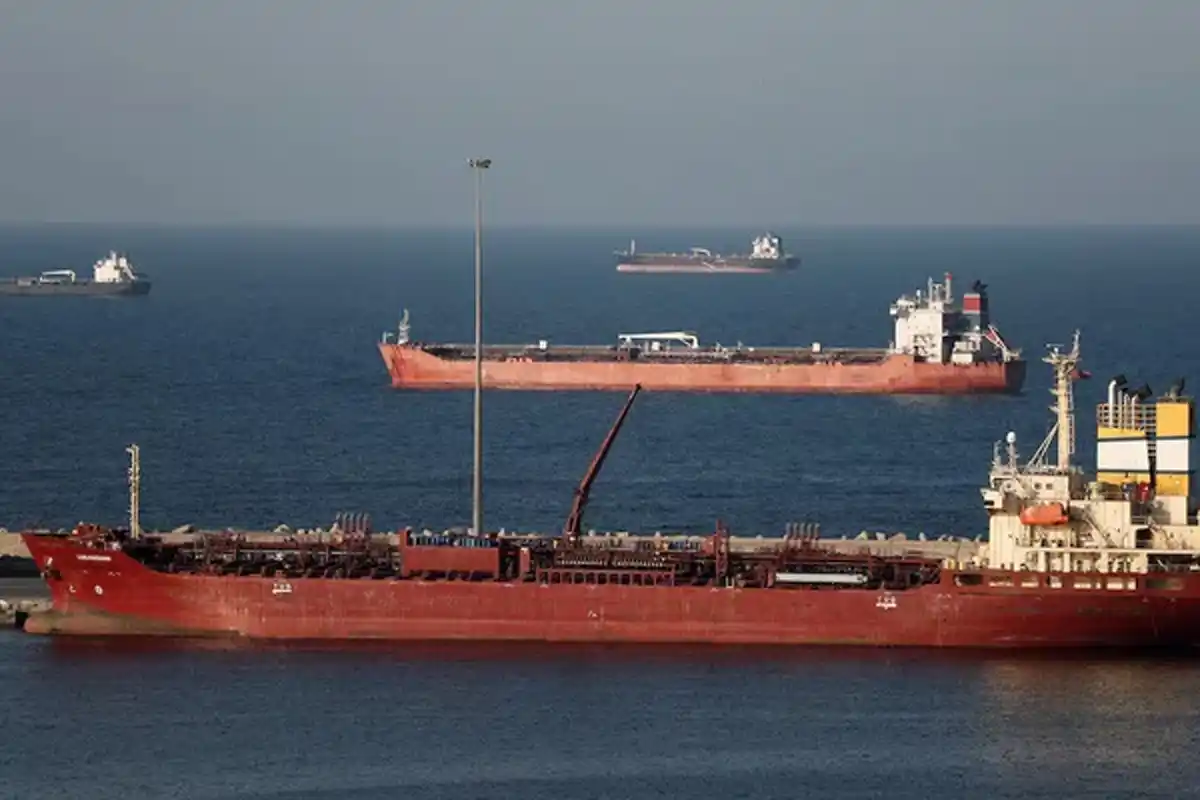
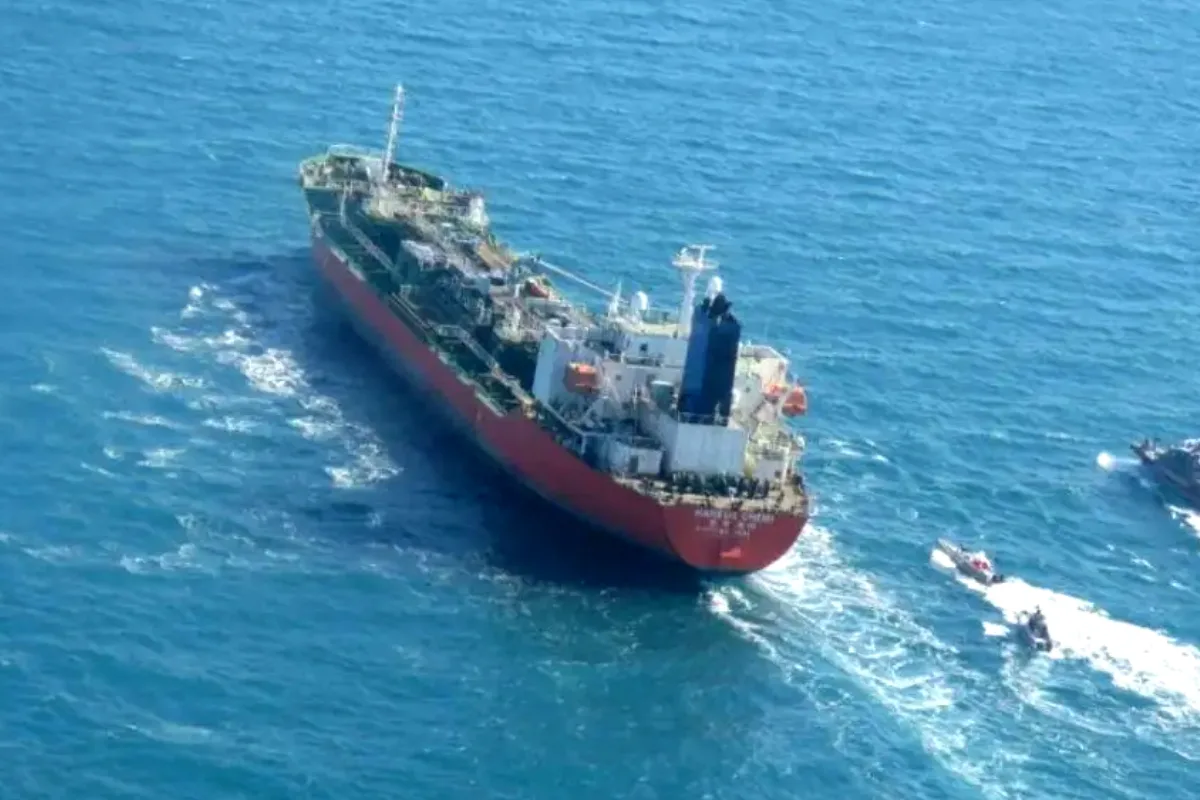
The disruption comes as Iran continues to limit tanker traffic through the Strait of Hormuz. Iran has taken this step against countries that allow the United States to use their territory for actions against it.
The Strait of Hormuz is a very important route for global oil trade. Around 20 to 30 percent of the world’s oil exports pass through this narrow waterway between Iran and Oman.
Saudi Arabia has tried to redirect some oil shipments through its East-West pipeline to the Red Sea port of Yanbu. However, this pipeline mainly carries lighter crude oil and cannot fully replace the lost offshore production.
One source said Saudi oil production has fallen to around 8 million barrels per day, while another source said the output may be even lower than that.
This is a major drop compared to February, when Saudi Arabia increased production as a precaution. At that time, the kingdom produced about 10.882 million barrels per day and supplied about 10.111 million barrels per day to global markets.
The International Energy Agency (IEA) also reported that major Persian Gulf producers — including Saudi Arabia, Iraq, Kuwait, Qatar, and the United Arab Emirates — have together reduced production by at least 10 million barrels per day because of the restrictions in the Strait of Hormuz. This amount equals about 10 percent of the world’s total oil supply.
Energy experts say the situation could become worse if tanker traffic through the Strait of Hormuz does not return to normal soon. Many oil refineries around the world are already struggling to find alternative supplies.
Qatar’s Energy Minister Saad al-Kaabi warned that oil prices could rise further if the Strait remains closed. He said that exporters in the Gulf region may even be forced to declare “force majeure,” meaning they cannot fulfill supply contracts due to extraordinary conditions.
Asian countries are feeling the biggest impact because more than 80 percent of Asia’s oil imports pass through the Strait of Hormuz. Some countries have already started fuel-saving measures as prices continue to fluctuate.
Meanwhile, the United States Department of Energy announced that 172 million barrels of oil will be released from the Strategic Petroleum Reserve. This is part of a joint plan by the IEA to add about 400 million barrels of oil to global supply.
However, analysts say this step may only provide short-term relief. Energy analyst Ipek Ozkardeskaya said that 400 million barrels is only a temporary solution, noting that IEA countries together consume about 45 million barrels of oil every day.
Iran says the restrictions are part of its response to what it calls US-Israeli aggression. Iranian officials say controlling traffic in the Strait of Hormuz is a form of “legitimate self-defense.”
They also referred to Article 51 of the United Nations Charter, saying Iran has the legal right to defend itself against acts of aggression by the United States or Israel.
Catch all the World News, Breaking News Event and Trending News Updates on GTV News
Join Our Whatsapp Channel GTV Whatsapp Official Channel to get the Daily News Update & Follow us on Google News.
Must Read