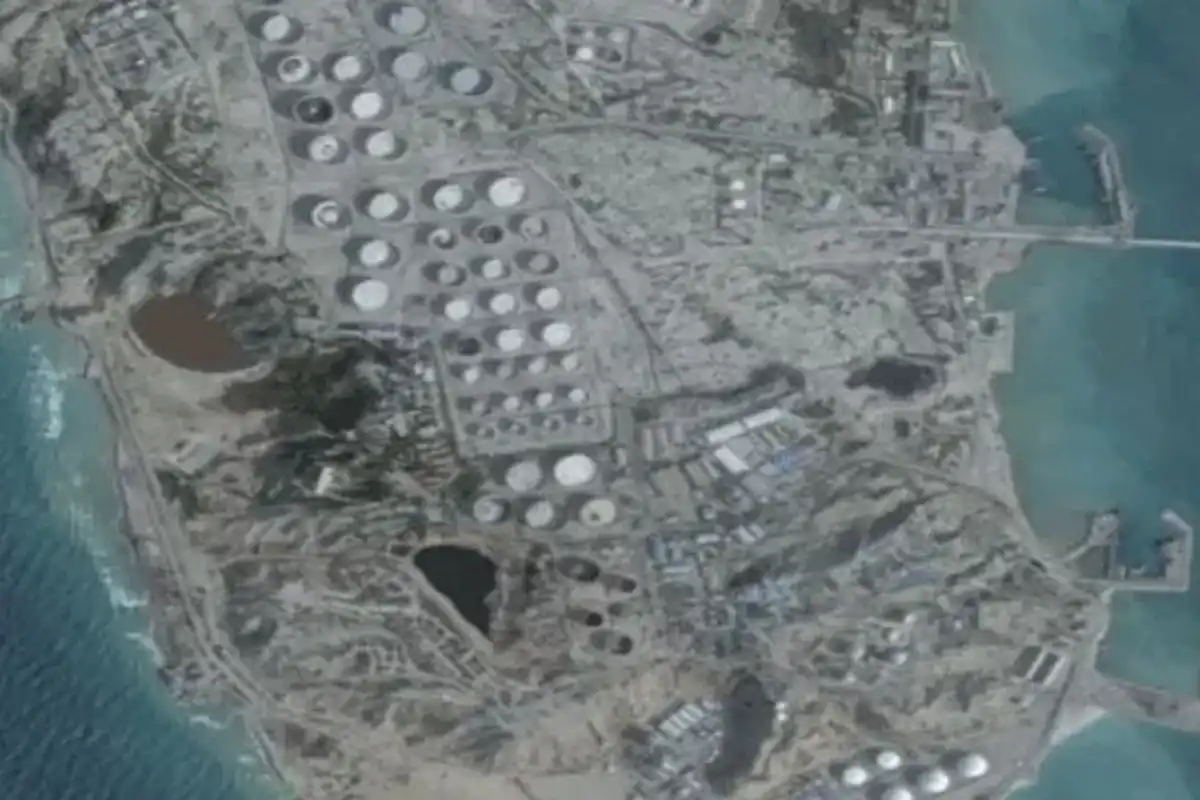
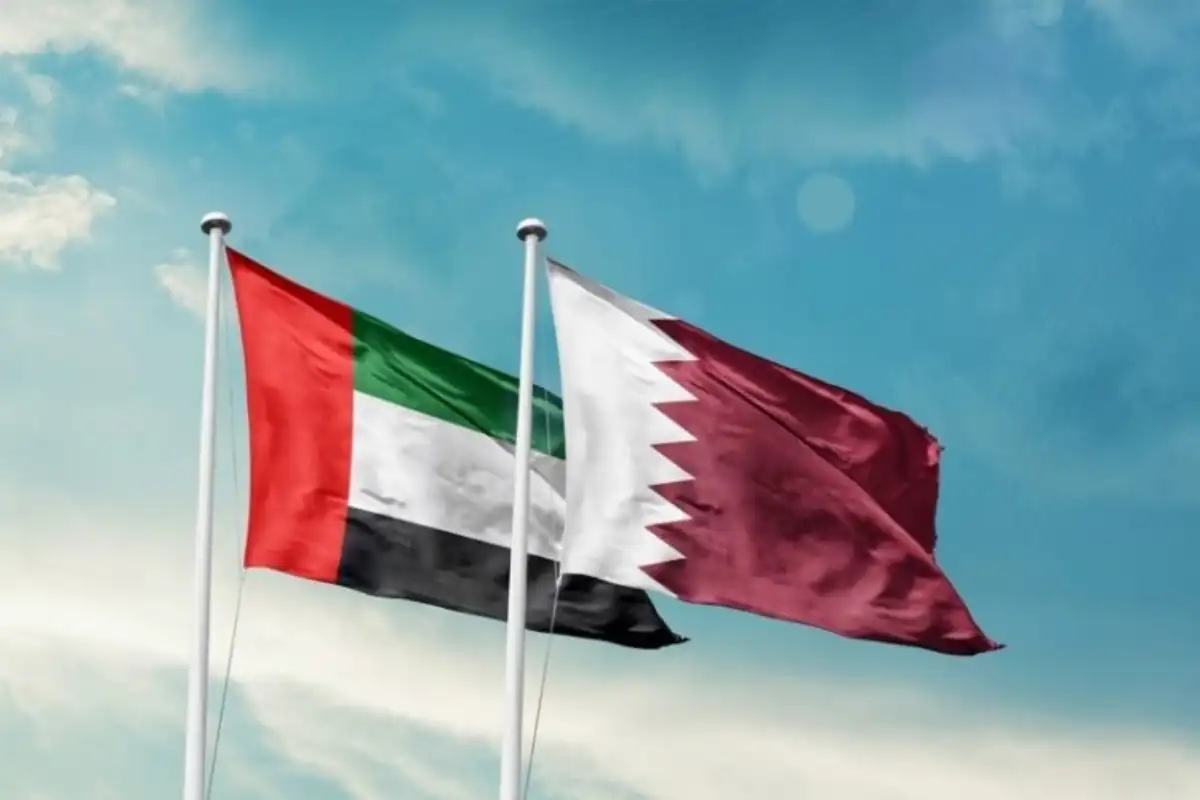
Iran warned on Saturday that it could strike selected targets, including U.S. “hideouts” in the United Arab Emirates, and urged civilians to evacuate, signaling defiance following a U.S. attack on its main oil hub, Kharg Island, a day earlier.
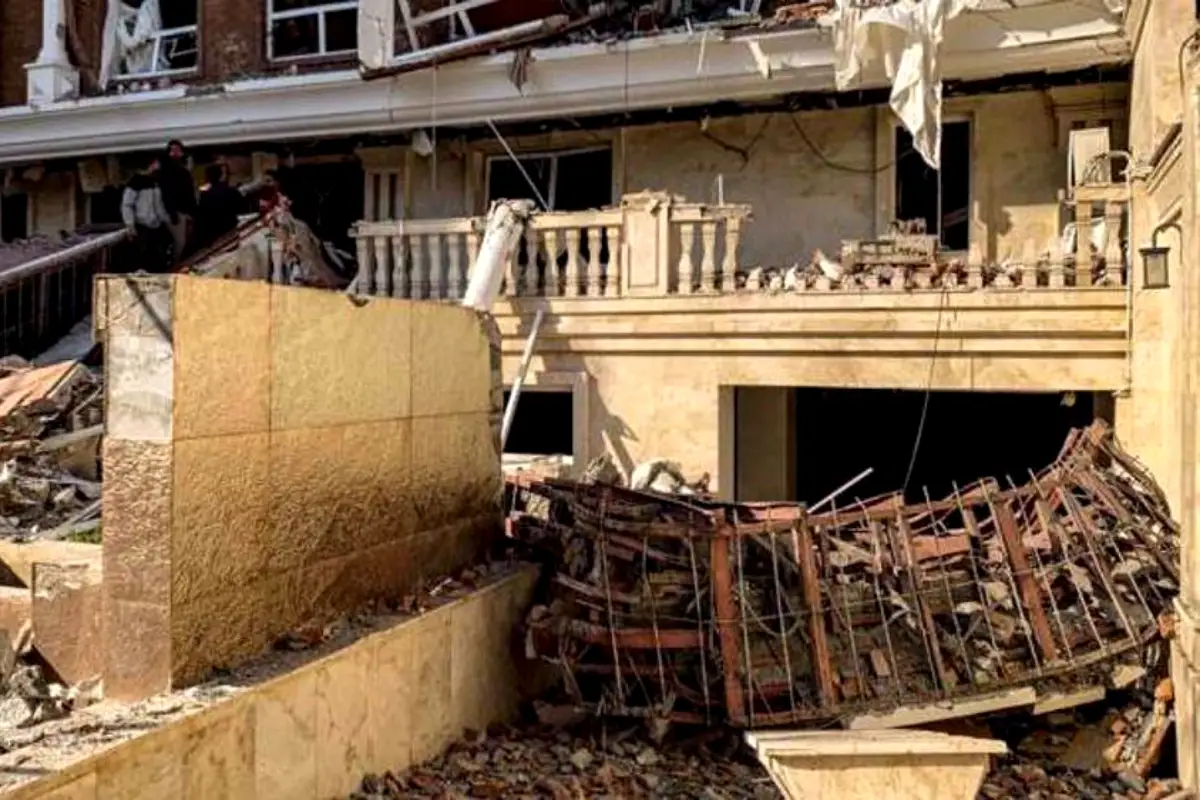
Some oil-loading operations were temporarily suspended at the UAE’s Fujairah emirate, a major bunkering hub and crude export terminal, with TV footage showing plumes of thick smoke rising into the air. An Iranian military spokesperson called on people in the UAE to evacuate ports, docks, and “American hideouts,” stating that U.S. forces had launched attacks on Iranian islands from those areas.
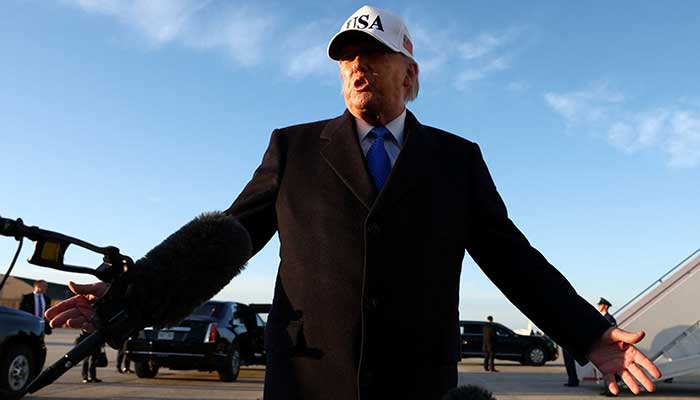
U.S. President Donald Trump had threatened to strike Iran’s Kharg Island oil infrastructure unless Tehran stopped attacks on vessels in the Strait of Hormuz. He also claimed on social media that the U.S. had “totally obliterated” military targets on the island, which handles 90% of Iran’s oil exports.
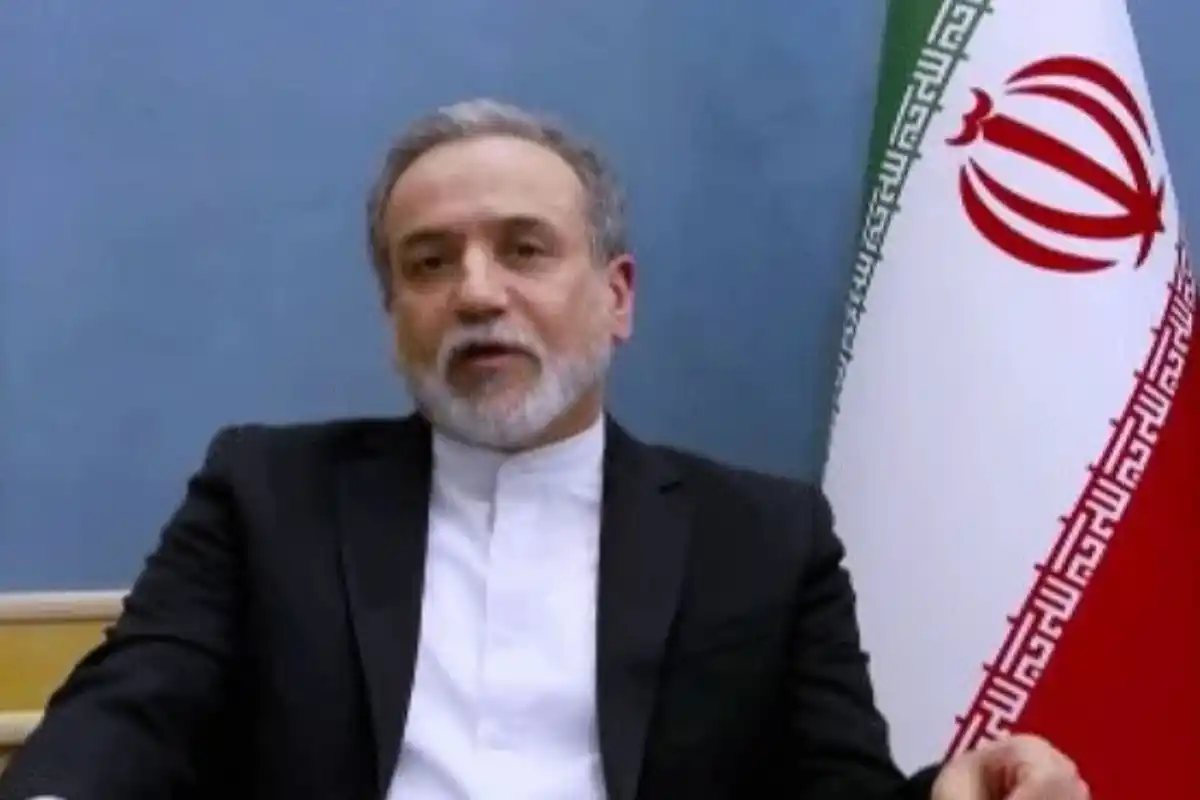
As the conflict entered its third week, Iran downplayed the damage at Kharg while threatening to escalate with more powerful weapons. “We declare to the leaders of the UAE that Iran considers it a legitimate right to defend its national sovereignty and territory by targeting the origin of American enemy missile launches in the shipping ports, docks, and military shelters of the U.S. hidden in some cities of the UAE,” a spokesperson for Iran’s Revolutionary Guards said.
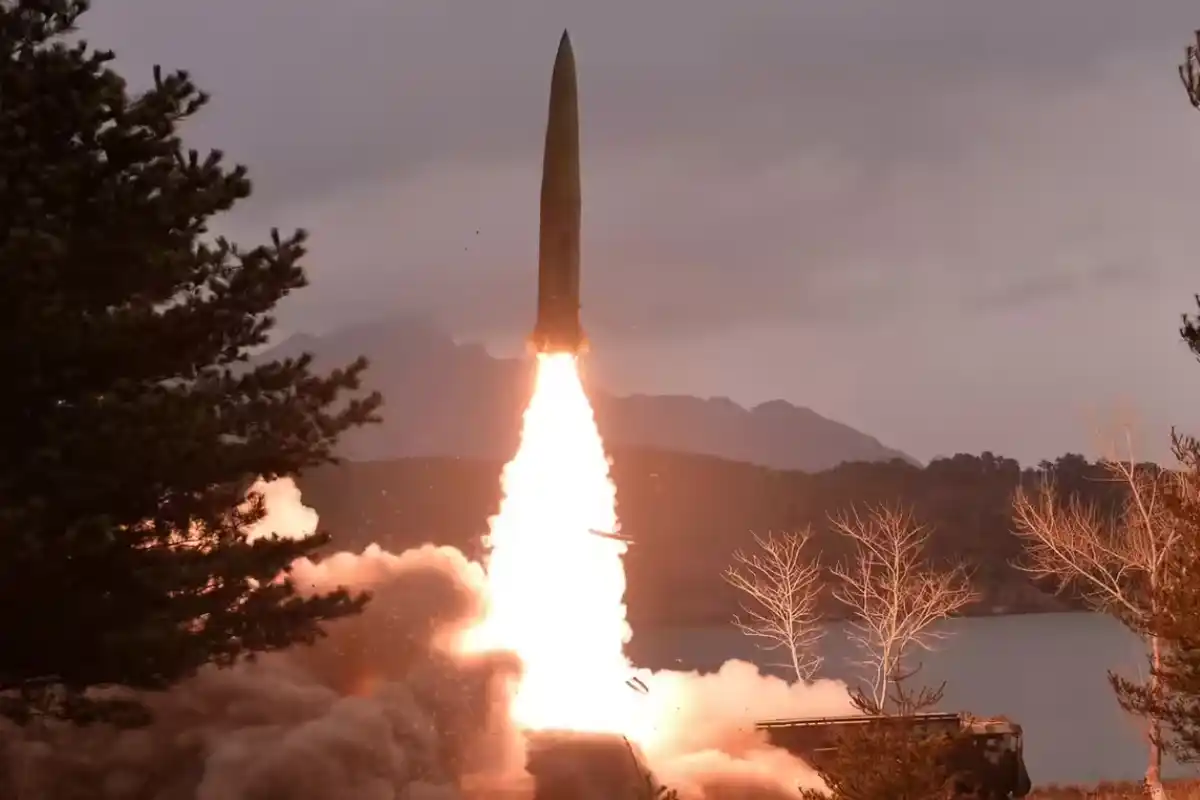
Iran launched nine ballistic missiles and 33 drones toward the UAE on Saturday, warning residents near Jebel Ali port in Dubai, Khalifa port in Abu Dhabi, and Fujairah port to evacuate. Iran also targeted branches of U.S. banks in the Gulf. Fujairah is a key outlet for about 1 million barrels per day of Murban crude, roughly 1% of global demand.
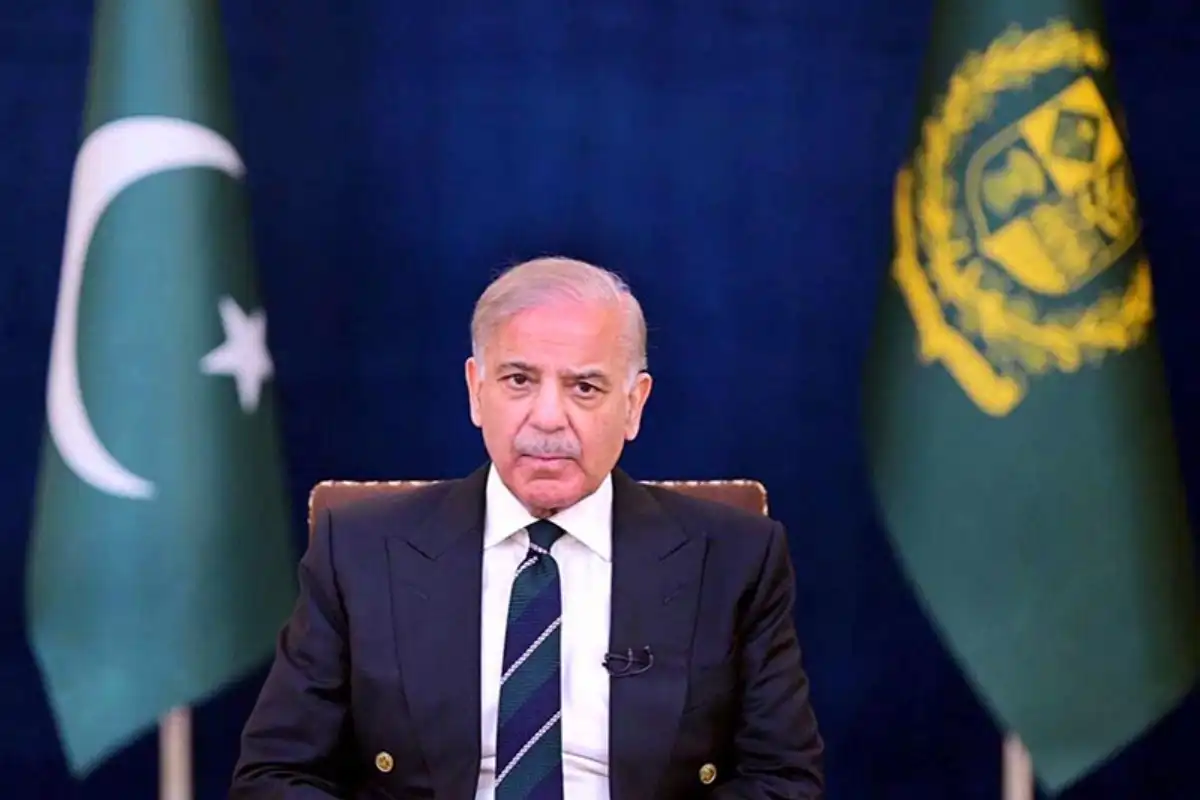
Analysts noted that Tehran’s actions send a clear message: “There is no safe harbor in this rapidly expanding conflict,” and signal that Iran will not allow Washington to control the terms of escalation. Trump said he expected other countries, including China, France, Japan, South Korea, and the U.K., to send warships to help keep the Strait of Hormuz open. Iranian Supreme Leader Mojtaba Khamenei, who succeeded his father, maintained that the strategic waterway should remain closed as a tool of pressure.
The U.S. Central Command reported striking over 90 Iranian military targets on Kharg Island, including naval mine storage and missile bunkers. Despite the attacks, Iranian oil exports from Kharg continued, with new tankers reported loading crude. Iran warned that any strike on its oil infrastructure would prompt attacks on facilities cooperating with the U.S. in the region.
The war, which began on February 28 with U.S. and Israeli bombardments of Iran, has now killed approximately 2,000 people and displaced millions, with casualties spreading across Iran, Lebanon, and the Gulf. U.S. forces have also suffered losses, including the deaths of six crew members aboard a refueling aircraft that crashed in western Iraq.